Quail are the small-scale livestock that most backyard homesteaders overlook. They take a quarter of the space of chickens, lay daily eggs from earlier in the year, are quieter, and tolerate tiny urban yards with no complaint. They are not chickens, though, and the trade-offs go both ways.
This guide compares quail and chickens head-to-head for tiny backyard situations, with notes on space, productivity, meat, regulations and what we actually do.
Space requirements
Quail
0.1 m² per bird in a cage system. A 1 m x 0.5 m hutch holds 10-15 birds comfortably. Suitable for balconies and small patios.
Chickens
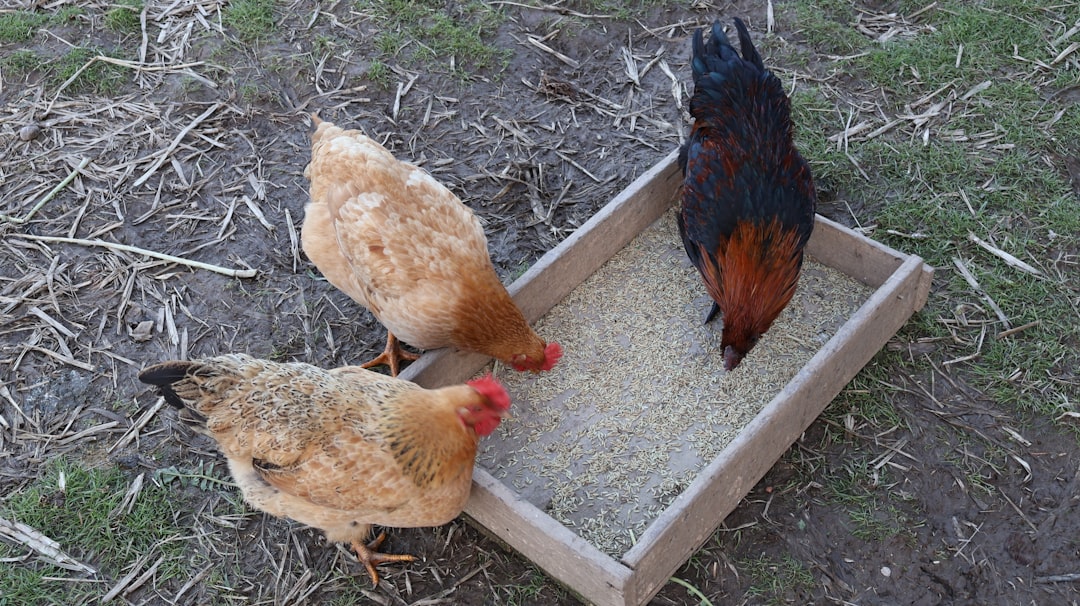
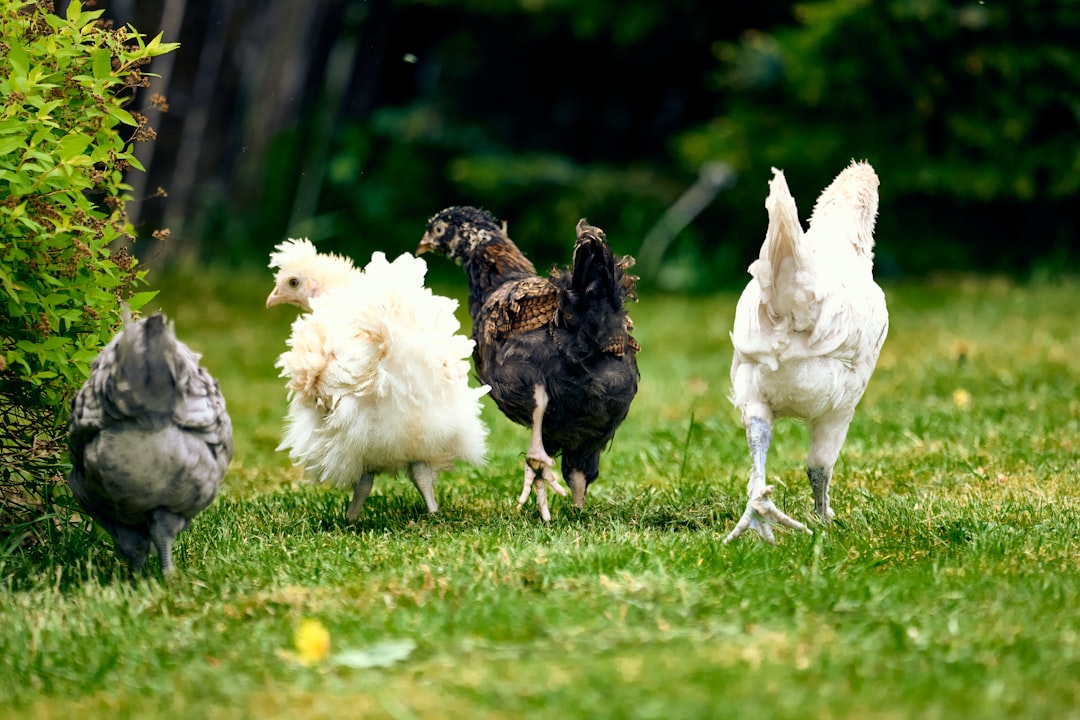
0.4 m² coop + 1 m² run per bird minimum. A flock of 4 hens needs around 6-8 m² total. Not realistic for most urban yards under 50 m².
Productivity
Quail eggs
Coturnix quail lay 200-300 small eggs per year, starting at 6-7 weeks of age. Eggs are smaller (3-4 quail eggs equal one large chicken egg).
Chicken eggs
Good laying breeds produce 250-300 eggs per year, starting at 5-6 months. Larger eggs.
Noise
Quail
Hens are quiet. Roosters (males) produce a soft trill or whistle, much quieter than a rooster’s crow.
Chickens
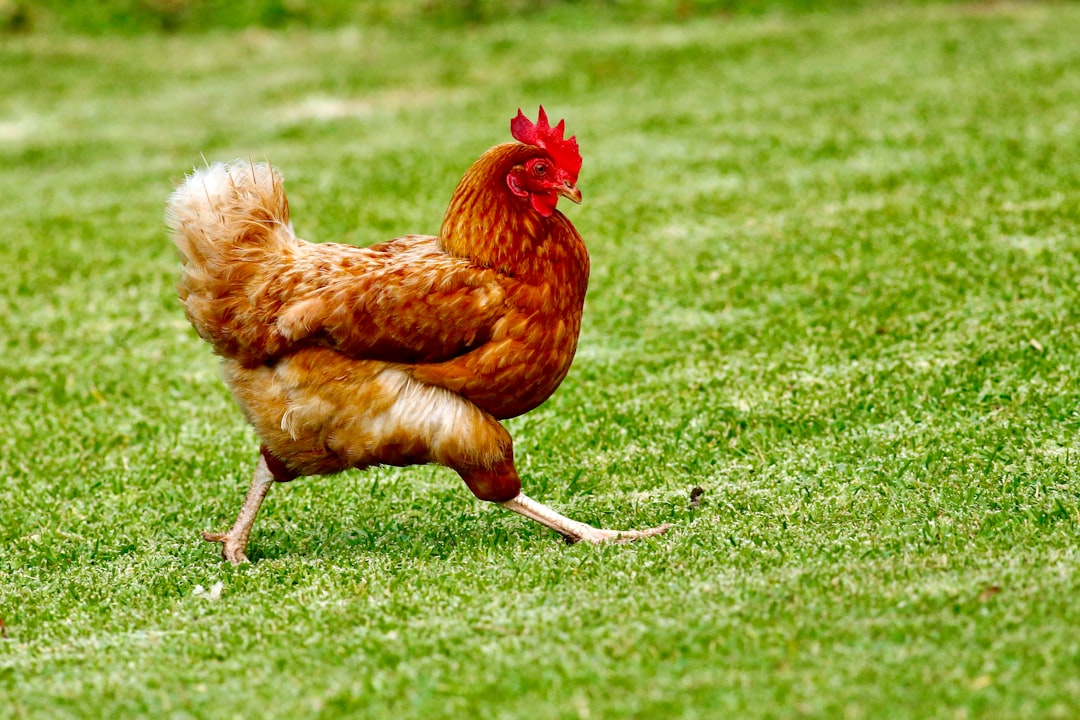
Hens cluck. Roosters crow loudly multiple times a day, including very early morning. Most urban areas ban roosters for this reason.
Meat
Quail
Ready to harvest at 7-8 weeks. Quick growth, fine-grained, mild-flavoured meat. About 100 g of meat per bird.
Chickens
Meat birds ready at 8-12 weeks (broilers) or older for dual-purpose breeds. Around 2-3 kg of meat per bird.
Cost to keep
- Quail: $5-$10 per bird per year in feed.
- Chickens: $20-$40 per bird per year in feed.
Lifespan
- Quail: 2-3 years average. Productive 1.5-2 years.
- Chickens: 5-8 years. Productive 3-5 years.
Regulations
Quail face fewer restrictions in most jurisdictions because they are smaller and quieter. Many cities that ban backyard chickens permit quail. Always check local rules.
Which suits which situation
- Tiny yard (under 30 m²): Quail.
- Apartment with covered balcony: Quail.
- Small suburban yard (50-200 m²): Chickens or both.
- Larger yard: Chickens, possibly with a small quail setup alongside.
- Strict noise rules: Quail.
- Want maximum eggs per dollar of feed: Chickens.
Further reading
Two authoritative resources we recommend if you want to go deeper on this topic:
Frequently asked questions