Irrigation is the quiet plumbing of a productive yard. It is unglamorous, mostly hidden behind the green growth, and the difference between a thriving raised-bed garden and a struggling one. Most beginners underestimate how much it matters and overestimate how complicated it is to set up.
This guide covers hose reels, drip tape, soaker hoses, and the simple gravity-fed systems that work brilliantly for small-scale homesteads. It does not require any plumbing skill beyond turning a tap.
Start with a good hose
A garden hose is a long-term piece of equipment. Cheap hoses kink, split, and tangle. A heavy-duty rubber or reinforced PVC hose lasts ten years.
- Length: enough to reach the furthest pot or bed with two metres to spare.
- Diameter: 15-19 mm internal for good pressure.
- Fittings: brass, not plastic. Plastic fittings crack within a season.
Hose reels
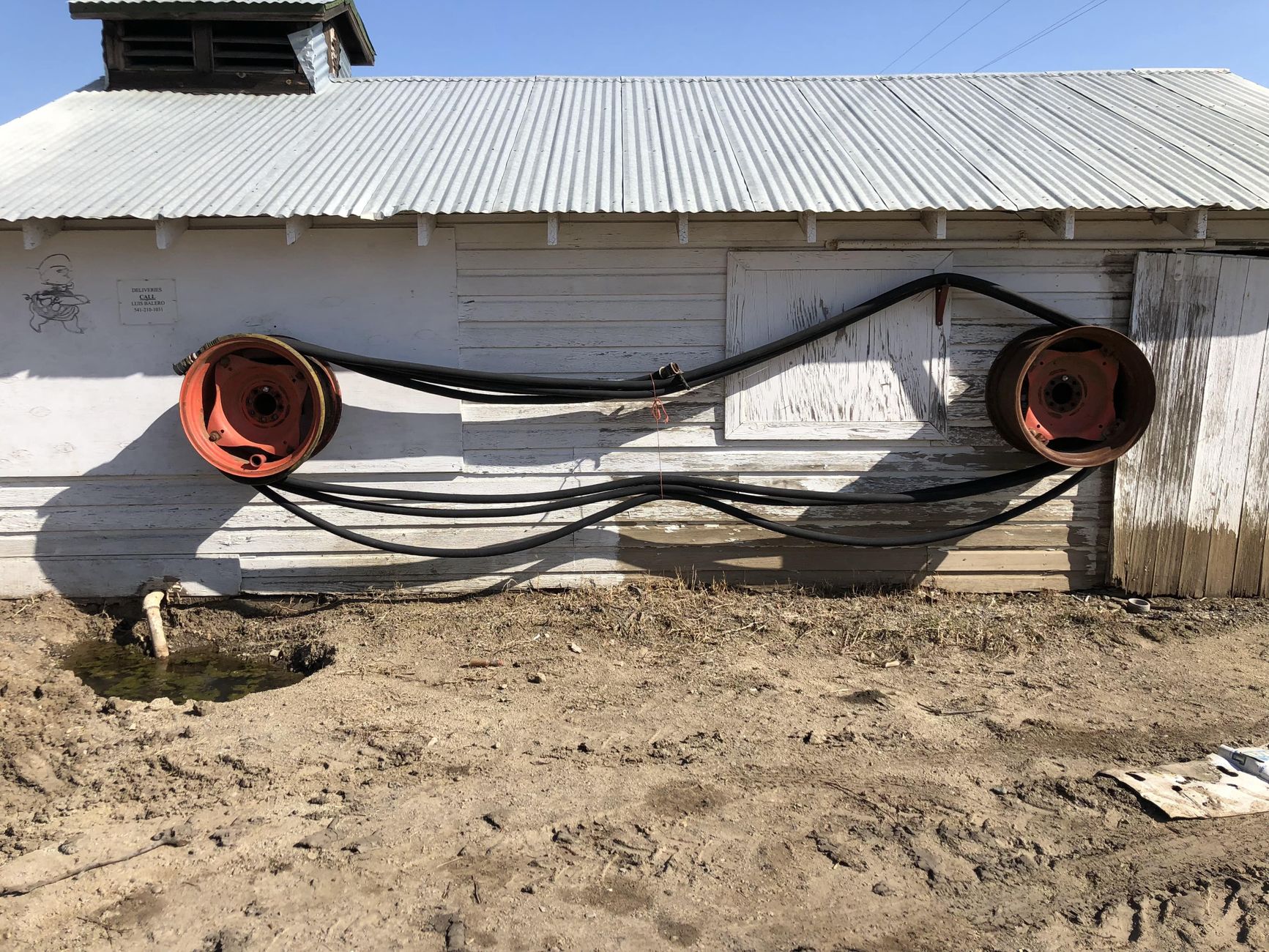
Wall-mounted reels with a guide arm are worth the money. They prevent kinks, save space, and dramatically extend hose life. A $50-$80 reel mounted permanently in a sheltered position pays for itself many times over.
Drip tape
Thin-walled plastic tubing with regularly spaced holes. Lay along the soil surface or under mulch. Delivers water directly to roots with minimal evaporation. Standard tape lasts 1-3 seasons; heavy-duty tape lasts 5+.
Soaker hoses
Porous hose that weeps water along its length. Lay along beds or wind around larger plants. Simple, effective, and quieter than drip tape. Lifespan 3-5 years before pores clog.
Gravity-fed simple irrigation
For balcony or small patio gardens, a 20-litre bucket on a stool with a low-pressure drip line will water several pots over an afternoon. No electricity, no pump, no complex setup. Refill every few days. Works beautifully.
Timers
A battery-powered tap timer ($25-$40) connects between tap and hose. Set to water for 15-30 minutes at dawn. The single best automation a small garden can have. Saves the holiday-watering crisis and dramatically reduces under and over-watering.
How to plan a small-scale irrigation setup
- Sketch your beds and pots, noting distance from tap.
- Choose tap timer location and verify mains pressure.
- Run main hose from tap to a central distribution point.
- Branch out with drip tape or soaker hoses to each bed.
- Test the system before the season, with no plants in place.
- Adjust emitter spacing or timing as plants establish.
Common mistakes
- Running drip tape on top of dry soil. Bury under mulch.
- Watering every day for too short. Long, deep waterings (30+ minutes) every 3-4 days are better than brief daily ones.
- Ignoring winterising. Drain drip systems before frost or they crack.
- Buying cheap fittings. Brass fittings last decades; plastic ones leak within a season.
Further reading
Two authoritative resources we recommend if you want to go deeper on this topic:
Frequently asked questions