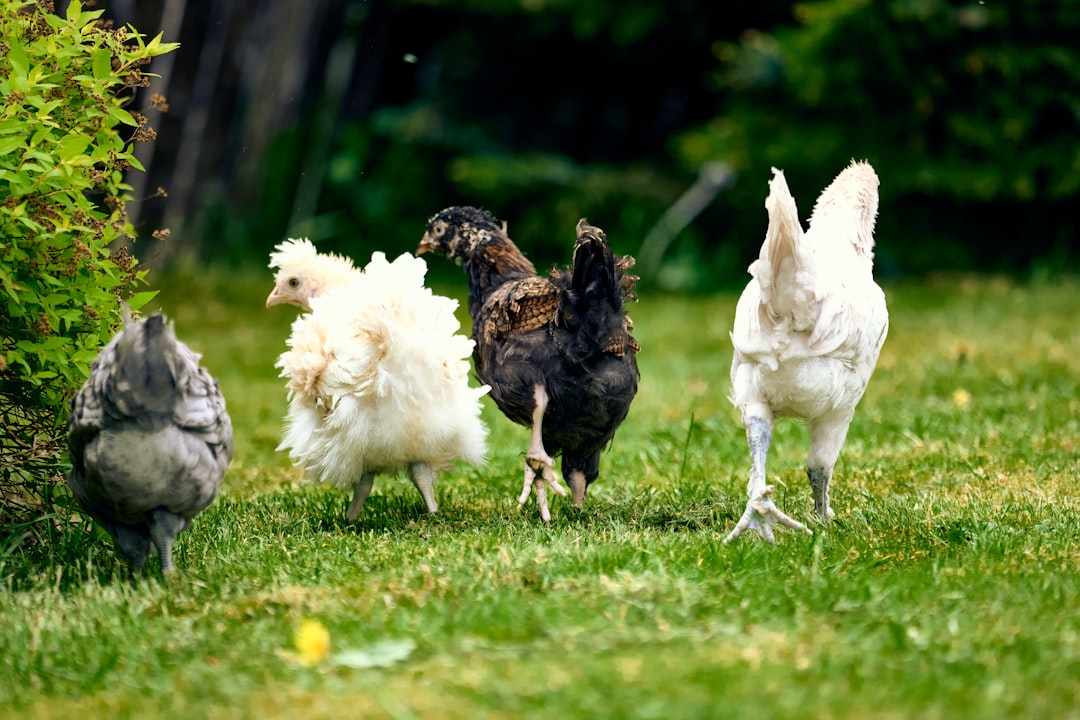
Adding new hens to an existing backyard flock is the moment where most first-year keepers discover just how organised chicken social life actually is. The rules feel arbitrary from the outside, but every flock has them, and breaking them without the right sequence results in a hen with an injured comb, a fortnight of disrupted laying, and (worst case) a bird you have to separate permanently.
The two-week integration protocol below is the boring, working method most small keepers arrive at after their first bad integration. It is slower than the “just chuck them in the coop overnight” advice you sometimes hear, and it is dramatically less stressful for you and the birds. It works for flocks of three to twelve, in coops of any typical backyard size.
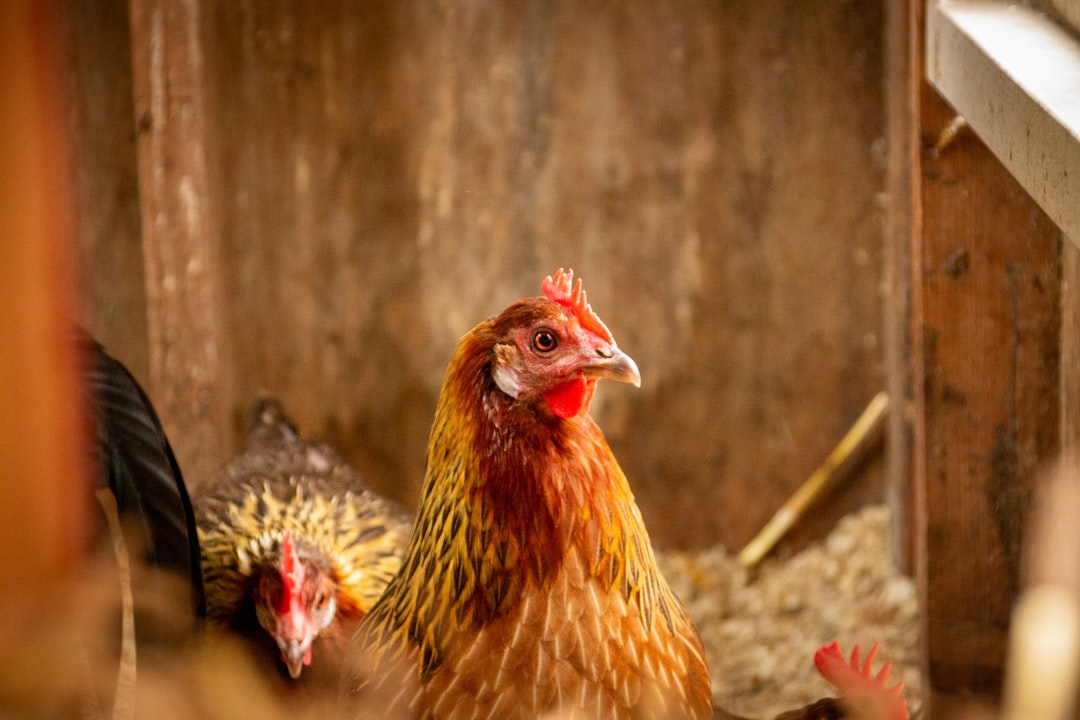
Before you bring the new birds home
Ask the seller three questions: age (in weeks), any recent illness or worming, and vaccination status (specifically Marek’s, if in the UK or US). If any answer is vague, walk away or accept that you may lose the bird within a few weeks. This is not paranoia; new-bird illness is the single most common cause of an integration going wrong, and the cause is almost always ignorance rather than malice.
Pick birds within about 4 weeks of your existing flock’s age band where possible. A twelve-week pullet introduced to fully grown adults is at the bottom of the pecking order for life; young point-of-lay birds (16 to 20 weeks) integrate more evenly with mature layers.
Week one: separate quarantine
New birds go into a separate enclosure entirely, out of visual contact with the existing flock. A large dog crate in the shed, a spare small coop, or a partitioned corner of the run with solid boarding all work. The reasons are two:
- Health. A new bird can be carrying respiratory disease, mites, lice or worms without visible symptoms in the first days. Two weeks of observation before contact protects the whole existing flock.
- Stress recovery. Being moved to a new home is genuinely stressful for a chicken. Adjusting to new food, water, and light in a quiet space (with no aggressive established birds) helps them settle before the social introduction.
Observe daily: normal droppings, active eating, alert posture, no discharge from eyes or nostrils, no shortness of breath, no visible parasites. Feed the same food they had at the previous home for the first three days, then transition to your usual feed gradually over the next four.
Week two: visual contact through a barrier
Now move the new birds’ enclosure so the flocks can see each other but cannot touch. A wire panel between the two coop areas, or the new-bird crate placed inside the main run behind a barrier, both work. The existing flock will spend most of the first two days on high alert, staring and occasionally posturing at the wire. This is normal. By day four or five, both sides usually stop reacting.
Keep this stage for at least five days, longer if either flock still looks stressed. Feed and water on both sides, so the flocks associate each other with mundane routine rather than novelty. If you have a rooster, this is when he will start his low warning calls; if he keeps calling and posturing after five days, extend the stage another few days.
The integration itself: neutral ground, plenty of space, watchful morning
On integration day, choose a Saturday morning with several free hours ahead. Feed both flocks well before you start; hungry chickens fight more. Then bring the birds together in the largest available shared space (the run, ideally with the coop closed off), at the time of day when the existing flock is most relaxed (usually mid-morning, after the first hour of foraging).
The order matters: place the new birds inside first, let them settle for five minutes, then release the existing flock into the same space. Expect some chasing, feather displays, and one or two decisive pecks in the first ten minutes. That is normal pecking-order establishment and should not be interrupted unless blood is drawn.
Distraction reduces conflict. Scatter a generous handful of scratch grain or dried mealworms across the run before the introduction, and again ten minutes in. Chickens focused on foraging fight less. A few extra water sources also help; one water station means one bottleneck for aggression.
Signs to intervene, and how
Break up any incident that involves:
- Sustained pinning of a single bird by two or more others,
- Visible blood on comb, wattles or vent,
- A bird cornered against a fence with no exit and not moving.
Intervention: gently separate the aggressor into a small crate for an hour, in view of the flock but out of contact. This drops her rank temporarily and usually resets the dynamic. Repeat if she resumes the same behaviour after release. If two or three separations do not settle it, that bird may need permanent rehoming; not every flock accepts every new arrival.
The first shared night in the coop
Wait until dusk. Chickens fall into a semi-torpid state at the roost and are far less likely to fight overnight. Physically place each new bird onto a roost bar inside the main coop after the existing birds have already settled for the night. Do not turn the light on. In the morning, everyone emerges into the run at more or less the same time; the flock treats the newcomers as “part of the coop” by association.
The first morning is always the tensest. Feed early, keep the run large, and watch for the first hour. By the third night, the new birds usually pick their own roosting spot without being placed there. Full flock integration (relaxed shared foraging, communal dust baths, no sustained chasing) typically completes by day seven to ten after the physical introduction.
What breaks the process
Three shortcuts that reliably cause problems:
- Skipping quarantine. New respiratory disease in an established flock costs you weeks of poor laying, a vet bill you did not expect, and sometimes bird deaths that quarantine would have prevented.
- Introducing one new bird alone into a large existing flock. A single new bird has no ally and gets targeted heavily. Introduce in pairs where possible; two new birds keep each other company and share the initial pecking-order attention.
- Introducing during moult. Existing birds in heavy moult are irritable and defensive; wait until they are through it before adding new members.
A note on breeds and personalities
Some breeds are notoriously bossy (mediterranean layers like Leghorns and Anconas); others are notoriously docile (Silkies, Orpingtons, Sussex). If you know your existing flock is a mix of quiet birds, adding a Leghorn will reset the top of the pecking order and stress everyone. If your flock is already spirited, another spirited bird integrates faster than a shy one. Match personalities where you can.
Further reading
Two authoritative resources we recommend if you want to go deeper on this topic:
Frequently asked questions