Coop bedding accumulates faster than new keepers expect. A small flock generates 5-10 kg of soiled bedding a week. The question of what to do with it has a satisfying answer: compost it. Coop bedding is one of the richest compostable materials available to a small homesteader, but it must be composted properly to be safe and useful.
This guide walks through how to compost coop bedding correctly, what to avoid, and how the finished material differs from regular compost.
What coop bedding contains
- Bedding material (pine shavings, straw, hemp).
- Chicken droppings (high in nitrogen, ammonia).
- Feathers (slowly biodegradable).
- Stray feed and food scraps.
- Occasionally broken eggshells.
Why it must be composted, not used directly
Fresh chicken droppings are too hot for direct application. They burn plants and contain pathogens (salmonella, e. coli) that pose health risks. Composting for 4-6 months kills pathogens, mellows the nitrogen, and produces a stable, safe amendment.
The composting process
- Add coop bedding to a designated compost bin or heap.
- Mix with high-carbon material (dried leaves, cardboard, woodchips) at roughly 1:2 ratio bedding:carbon.
- Turn weekly for the first month.
- Monitor temperature; a hot compost should reach 55-65C.
- After 4-6 months of active composting, allow to cure for another 1-2 months.
- Use on garden beds.
Compost temperatures and pathogen kill
To kill pathogens reliably, compost must reach 55C for at least three days, or 65C for at least three days, depending on the standard. Most well-managed compost heaps with chicken bedding reach these temperatures naturally.
A dedicated coop compost bin
Many homesteaders run a separate compost system for coop bedding. Benefits:
- Easier to manage temperature and timing.
- No mixing with kitchen waste that might attract pests.
- Clearer aging timeline for safe garden use.
- Different end product (more aggressive nitrogen than kitchen-scrap compost).
Common mistakes
- Applying directly to garden (burns plants).
- Not enough carbon (compost becomes wet and smelly).
- Stockpiling without composting (becomes a mess).
- Composting too long (loses nutrients).
- Using on food crops too soon after composting.
How to tell when it is ready
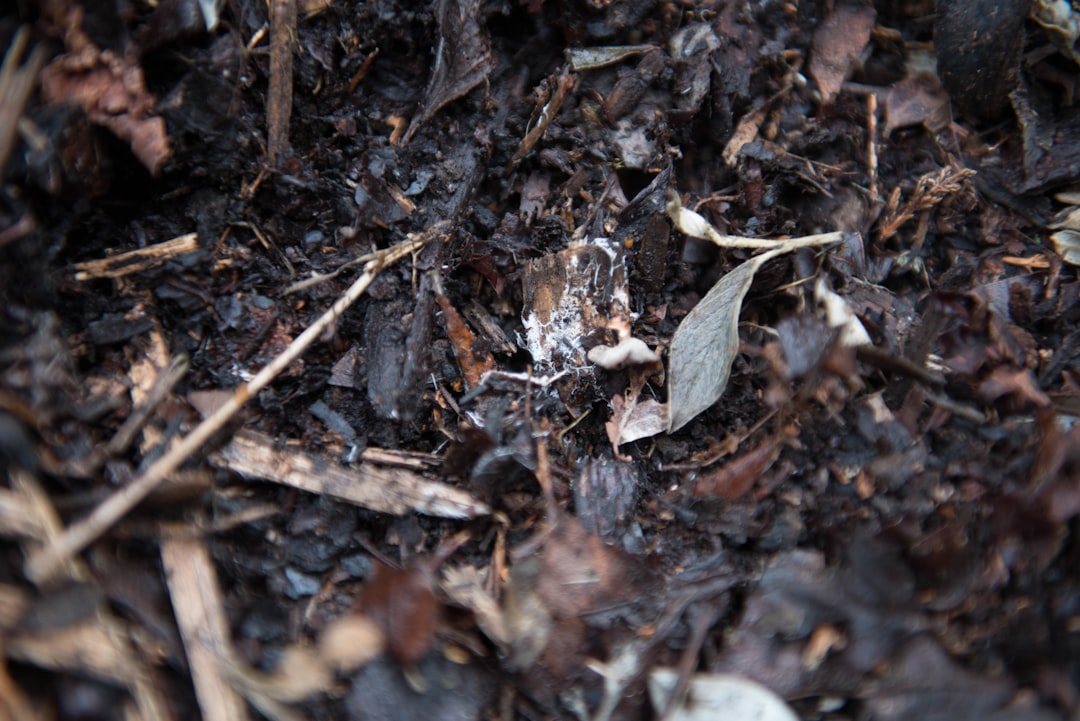
- Dark, crumbly, smelling of forest floor.
- Original bedding material no longer recognisable.
- Temperature has dropped to ambient.
- No ammonia smell whatsoever.
Where to use it
- Side-dressing established vegetables.
- Mixed into beds before planting tomatoes or other heavy feeders.
- Mulch around fruit trees.
- Top-dressing on flower beds.
A small flock produces roughly 500-700 kg of compost per year. Enough to maintain a substantial vegetable garden.
Further reading
Two authoritative resources we recommend if you want to go deeper on this topic:
Frequently asked questions