A first chicken coop is one of the genuinely thoughtful purchases of small-homestead life. Get it right and a small flock of three or four hens becomes a quiet, productive part of your yard for a decade. Get it wrong and you spend the first six months rebuilding, predator-proofing, and apologising to your neighbours about the smell.
This guide walks through what a coop for three or four laying hens actually needs, what to avoid in the prefab market, and a simple design that has served us for years.
How much space per bird
- Coop floor space: 0.4 m² per bird minimum (more is better).
- Outdoor run space: 1 m² per bird minimum (10x more is ideal).
- Roost space: 25 cm of perch per bird.
- Nest boxes: One nest for every 3-4 hens.
These are minimums for healthy hens. Crowded hens fight, peck and develop disease.
A simple, durable design
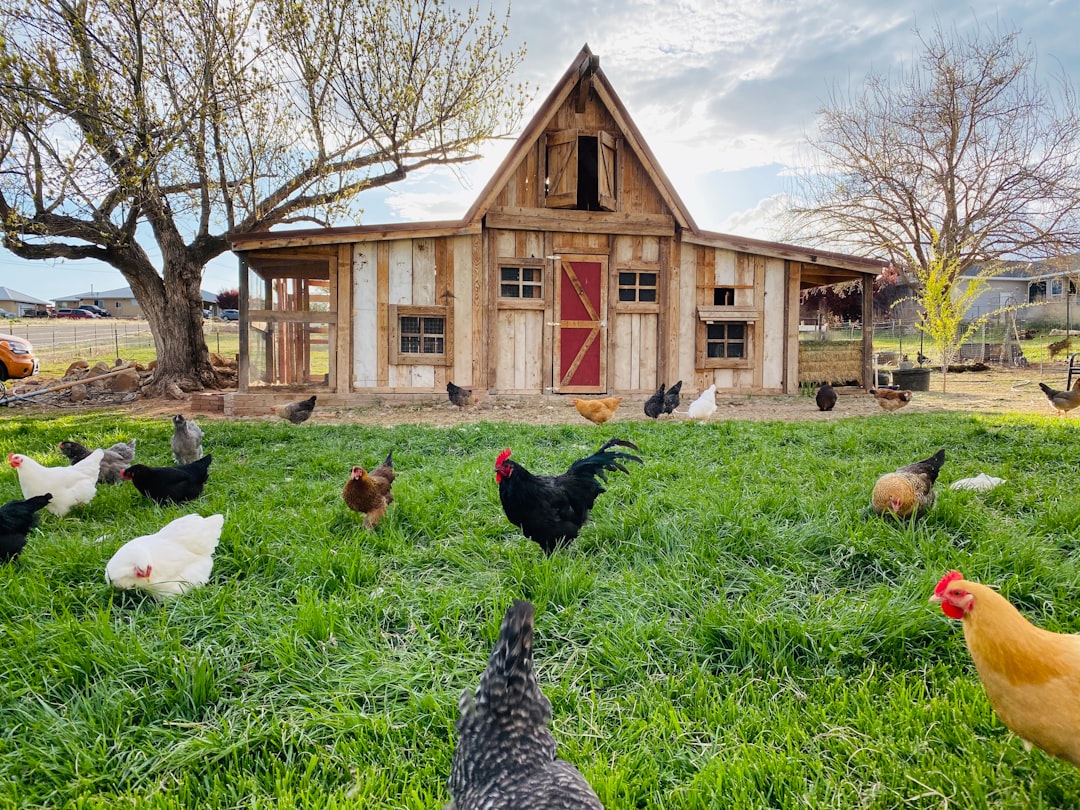
- A 1.2 m x 1 m raised coop, 1.5 m tall.
- An attached 2 m x 1.5 m predator-proof run.
- Two nest boxes on one side of the coop.
- A 1.5 m wooden roost bar inside.
- A pop-door between coop and run.
- A small human-access door to clean and collect eggs.
Total footprint, roughly 3.5 square metres. Suitable for three or four hens.
Materials
- Walls: Untreated pine or cedar boards.
- Roof: Bitumen shingles or EPDM rubber.
- Mesh: 1/2-inch hardware cloth (NOT chicken wire, which raccoons defeat easily).
- Floor: Plywood with linoleum or vinyl cover for easy cleaning.
- Roost: 5cm wide untreated softwood bar (chickens grip flat bars better than round).
Why hardware cloth, not chicken wire
Chicken wire keeps chickens in. It does not keep predators out. Raccoons, foxes, weasels and mink all defeat chicken wire easily. Hardware cloth (1/2-inch welded mesh) is the only mesh we recommend for serious predator protection.
Common prefab coop problems
- Listed for “4 chickens” but actually suitable for 2.
- Chicken wire instead of hardware cloth.
- Tiny pop-doors with no security.
- Thin walls that warp within a year.
- Poor ventilation, leading to respiratory illness.
Ventilation matters more than you think
Chickens produce moisture through breathing and droppings. A sealed coop becomes humid, leading to respiratory problems and frostbite in winter. Adequate ventilation means screened openings at the top of walls, well above roost height, to let moist air escape.
A general rule: 1 square foot of ventilation per chicken, screened with hardware cloth.
Bedding
- Pine shavings: clean, absorbent, easy to compost.
- Straw: cosy, slightly harder to clean.
- Hemp bedding: excellent but expensive.
- Avoid: cedar shavings (respiratory irritant), sawdust (too fine).
Placement in the yard
- Away from prevailing winds.
- Partial shade in summer is essential.
- Close to a water tap is helpful.
- Not directly against a fence (need access all around).
- Not under a tree where bird droppings might fall in.
Further reading
Two authoritative resources we recommend if you want to go deeper on this topic:
Frequently asked questions