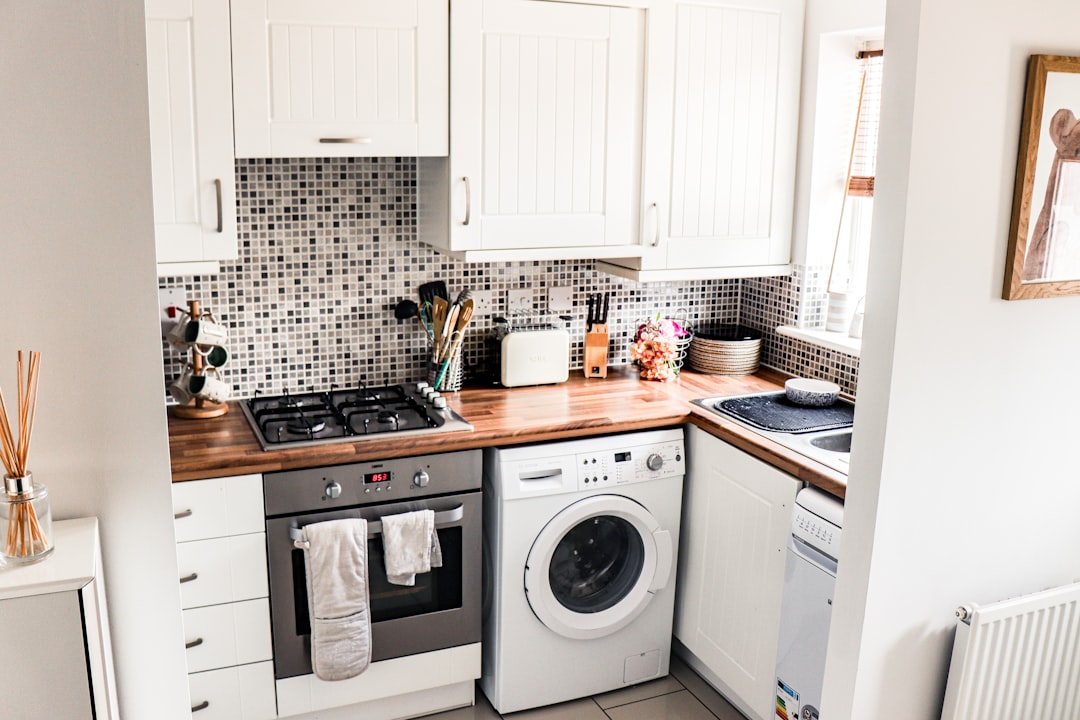
Bokashi is a fermentation method, not a composting method. It uses a sealed bucket and a special bran inoculated with beneficial microbes to pickle kitchen scraps over 2-3 weeks. The result is not yet compost; it must be buried in soil or added to a regular compost system to finish breaking down. But it handles food waste apartment composting normally cannot.
This guide explains how bokashi fits into a small kitchen, what it does well, and where its limits sit.
Why bokashi suits apartments
Worm bins struggle with cooked food, meat, dairy and oily scraps. Bokashi handles all of these without smell or pests because the bucket is sealed and the contents are fermented rather than rotted.
The kit
- Two sealed buckets with spigots at the bottom (commercially available, $30-$60).
- Bokashi bran (a sawdust or bran impregnated with effective microorganisms), $15-$25 per bag.
- A small scoop or spoon.
The workflow
- Add 3-5 cm of food scraps to the bucket.
- Sprinkle a handful of bokashi bran over the top.
- Press down firmly to remove air.
- Close the lid.
- Repeat over 1-2 weeks until the bucket is full.
- Let the full bucket sit sealed for another 2 weeks to finish fermenting.
- Drain liquid through the spigot every few days (diluted 1:100, it makes a strong liquid feed).
- After fermentation, bury the contents 15-20 cm deep in soil, or add to a regular compost bin.
What goes in
- All fruit and vegetable scraps.
- Cooked food, including grains, pasta, rice.
- Meat and fish (cooked or raw, in moderation).
- Dairy (small amounts).
- Tea leaves and coffee grounds.
- Eggshells.
Avoid:
- Large bones (won’t break down).
- Liquids beyond drained scraps.
- Mouldy food (the existing mould interferes with the EM bacteria).
Smell and signs
Properly fermented bokashi smells sweet-sour, like pickles or yeasty bread. A foul, putrid smell means anaerobic decay rather than fermentation; usually too much liquid not drained, or the bran was insufficient. Discard and restart.
After fermentation
Buried in garden soil, fermented bokashi breaks down within 2-4 weeks, faster in warm weather. The soil immediately above the buried material becomes rich in nutrients. Plants growing nearby benefit substantially.
If you don’t have garden space, add the fermented contents to a regular outdoor compost bin where they accelerate decomposition.
Bokashi tea
The liquid drained from the spigot is rich in nutrients and microbes. Dilute 1:100 with water and use as a soil drench around houseplants and garden plants. Strong stuff; use sparingly.
Further reading
Two authoritative resources we recommend if you want to go deeper on this topic:
Frequently asked questions