Warm-climate urban farming feels easier on paper and is sometimes harder in practice. Long growing seasons make for spectacular yields, but the heat months in July, August and early September will fry a poorly set-up balcony in a single weekend. Water stress, leaf scorch and overheated soil are the dominant challenges.
This is a month-by-month calendar for warm climates, roughly USDA zones 9 to 10b, Mediterranean countries, and subtropical urban areas. Adjust toward the cooler season if you are in a desert climate where summer growing pauses entirely.
January
Plant cool-season crops outdoors: lettuce, spinach, peas, radishes, carrots. Sow brassicas if you have not already. Citrus in pots benefits from a feed.
February
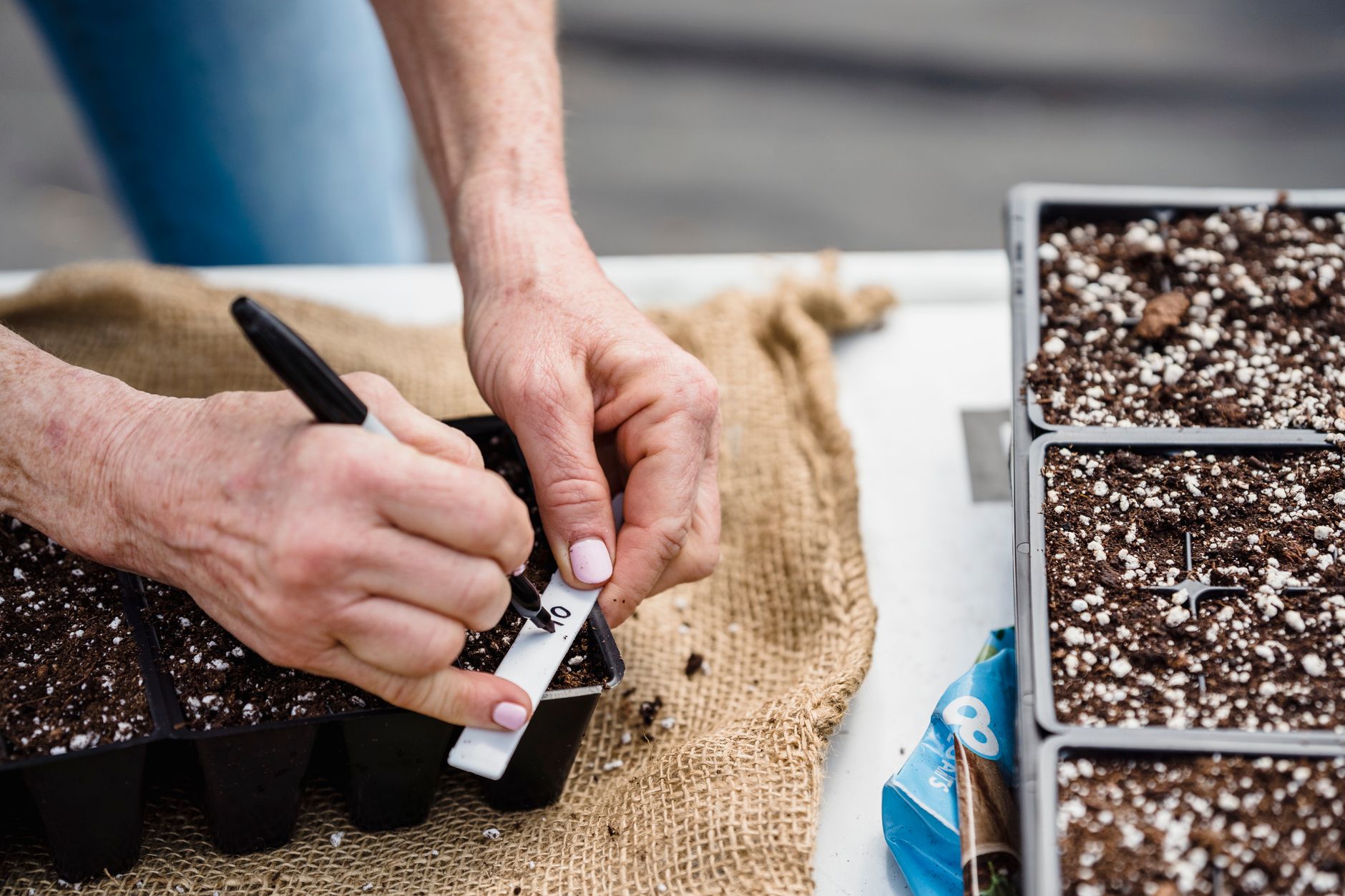
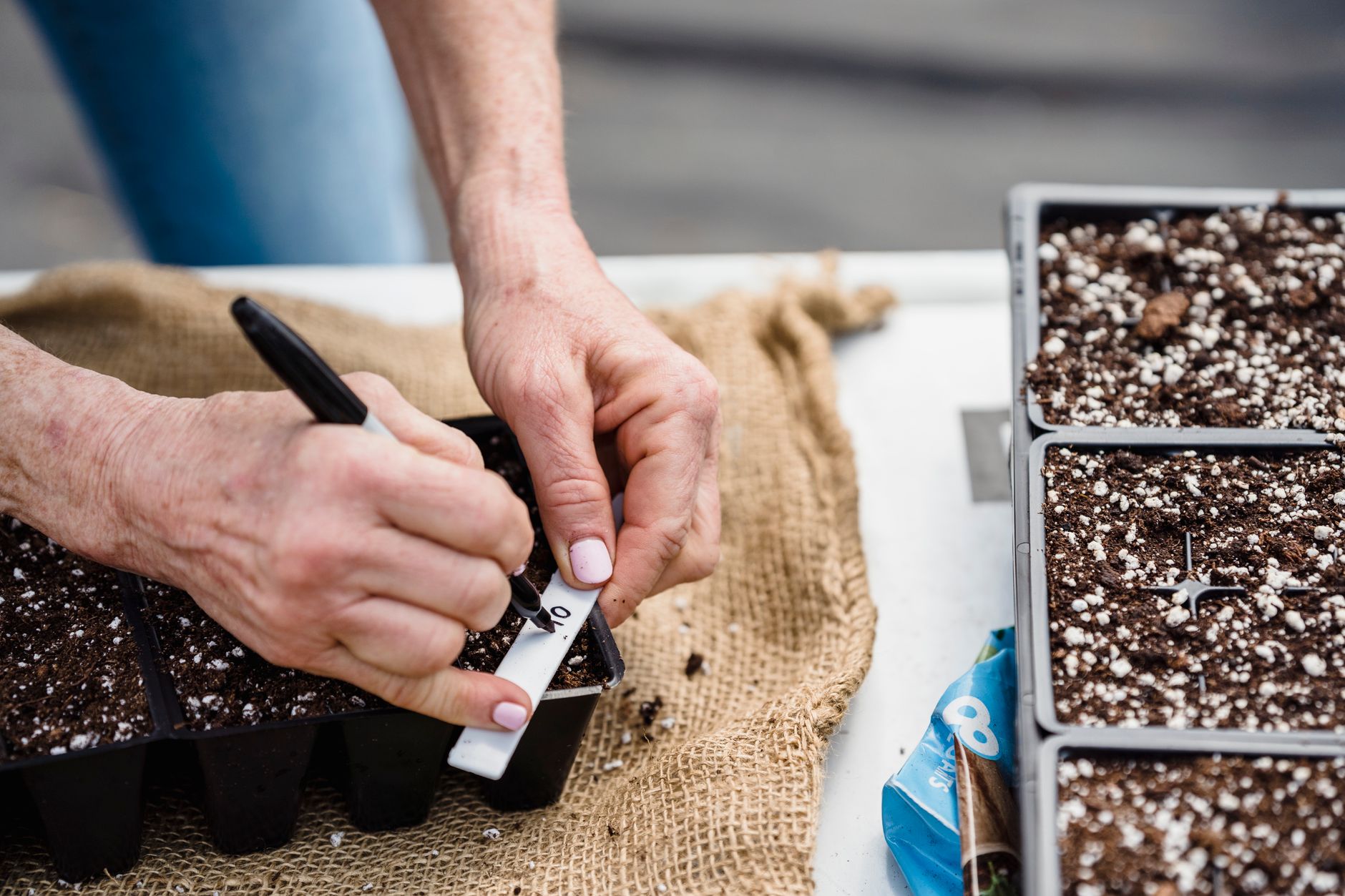
Start tomato and pepper seeds indoors. Sow more salad and root crops. Prepare pots for spring planting.
March
Move tomato and pepper seedlings outside (after night temperatures stay above 10C). Sow beans, courgettes, basil. This is the peak planting month in warm climates.
April
Steady growth month. Mulch heavily in anticipation of heat. Stake tomatoes early. Continue salad sowings every two weeks; they will bolt within six weeks in summer.
May
Last reliable salad-leaf sowings outdoors. Switch to heat-tolerant leafy greens (Malabar spinach, sweet potato leaves, amaranth). Tomatoes flowering and beginning to set fruit.
June
Heat ramps up. Move pots into part shade if possible during afternoon. Water twice a day. Mulch any bare soil. Harvest aggressively to keep plants producing.
July
Most challenging month. Tomatoes may stop setting fruit if night temperatures stay above 24C. Focus on watering and shade. Harvest and preserve any glut.
August
Continue heat management. Start planning for autumn replant. Late month, start tomatoes indoors for an autumn crop in subtropical areas.
September
Heat eases. Plant cool-season crops: lettuce, spinach, peas, brassicas, root vegetables. The autumn growing season begins for many warm climates.
October
Peak autumn growing. Salad leaves productive again. Replant herbs that bolted in summer. Consider sowing garlic for next year.
November
Steady production of cool-season crops. Citrus ripening in pots. Light pruning of perennial herbs. Plant overwintering greens.
December
Quiet but productive. Cool-season crops continue. Plan for spring. Most warm-climate balconies have edible food on them all twelve months of the year.
Further reading
Two authoritative resources we recommend if you want to go deeper on this topic:
Frequently asked questions