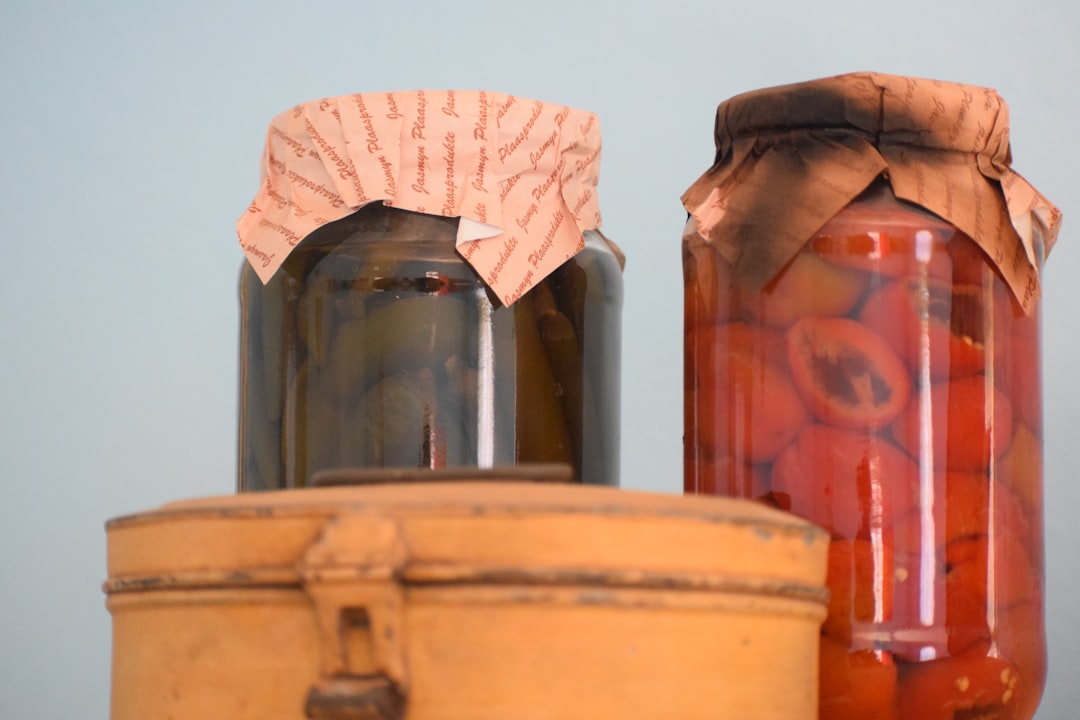
Fermenting is a wonderful kitchen practice that intimidates new homesteaders unnecessarily. It does not require sterilised laboratories or specialised crocks. A few jars, some salt, and patience produce excellent sauerkraut, kimchi, pickles, and ferments in a small apartment kitchen.
This guide is a starter on apartment-scale fermenting, with simple recipes and the small things that prevent the most common failures.
The basics of fermenting
Lacto-fermentation uses natural bacteria to preserve vegetables. The basic equation: vegetable + salt + time = ferment. The salt creates conditions where beneficial bacteria thrive and harmful ones do not. Within a week or two, the ferment is safely preserved and slightly sour.
Equipment
- Wide-mouth glass jars (Mason jars work well).
- Either fermentation lids with airlocks, or simple loose lids that allow gas to escape.
- Salt (sea salt, no iodine).
- Some way to weight vegetables below the brine (small ceramic weights, smaller jars, or even a clean plastic bag with brine inside).
Total setup cost roughly $20-$40.
A first sauerkraut
- Shred 1 medium green cabbage finely.
- Add 2% of cabbage weight in salt (so 15 g per kilo of cabbage).
- Massage cabbage and salt together until liquid releases.
- Pack tightly into a jar; the cabbage should be submerged in its own brine.
- Weight down so cabbage stays under brine.
- Loose lid, leave at room temperature for 1-3 weeks.
- Taste after 7 days; when it tastes right to you, refrigerate.
Other easy first ferments
- Kimchi (cabbage, chilli, garlic, salt).
- Pickled cucumbers (cucumbers, dill, garlic, salt, brine).
- Pickled carrots (sliced carrots, brine, dill).
- Pickled onions (sliced onions, vinegar-based not lacto).
- Hot sauce (chilli peppers, salt, fermented 1-2 weeks).
What to watch for
- White scum: kahm yeast, harmless. Skim off.
- Bubbles: normal, active fermentation.
- Cloudy brine: normal.
- Coloured mould (black, pink, fuzzy): spoilage. Discard.
- Foul rotten smell: spoilage. Discard.
How long ferments take
- Sauerkraut: 1-3 weeks.
- Kimchi: 5-14 days at room temperature.
- Pickles: 5-10 days for full sourness.
- Hot sauce: 1-2 weeks.
Cooler temperatures slow fermentation; warmer speeds it.
Storage
- Once active fermenting is complete, refrigerate.
- Cold storage slows further fermentation significantly.
- Ferments keep 6-12 months refrigerated.
- Lacto-fermented foods improve over the first few months.
The flavour learning
First ferments taste different from supermarket pickles. Saltier, more tangy, brighter. Within a few months of regular fermenting, your palate adjusts and the commercial versions start to taste dull and overly sweet.
Further reading
Two authoritative resources we recommend if you want to go deeper on this topic:
Frequently asked questions