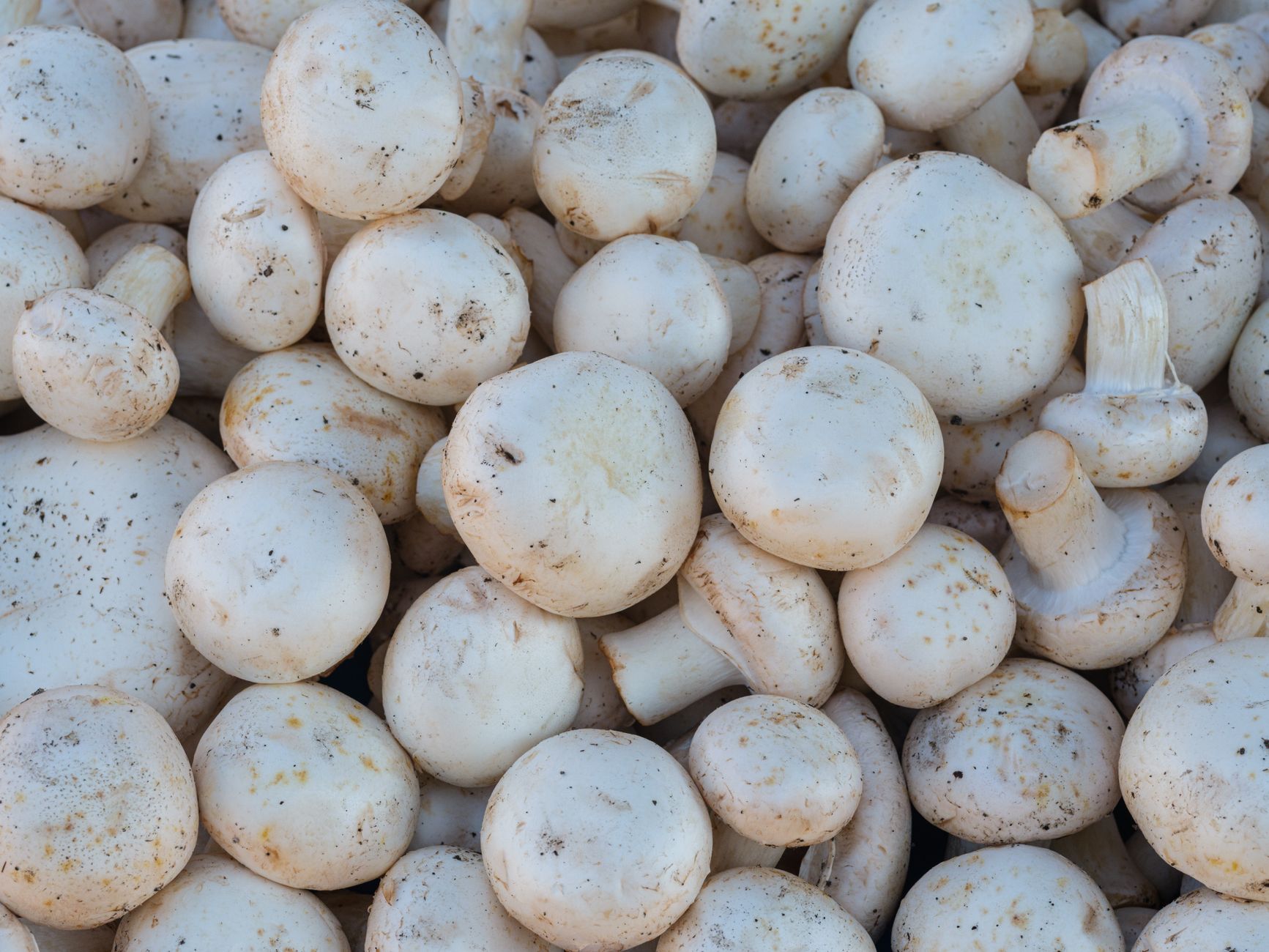
Indoor mushroom growing has become genuinely accessible. The kits available now produce reliable flushes of gourmet mushrooms (oyster, lion’s mane, shiitake) in 10-14 days from a tidy box sitting on a kitchen counter or in a closet. No mycology training required.
This guide walks through what to expect from these kits across the year, the conditions they actually need, and what happens after the first flush.
How a mushroom kit works
A pre-inoculated block of substrate (usually sawdust, straw, or a mix), sealed inside a bag. You cut a hole in the bag, mist daily, and within 10-14 days mushrooms emerge through the hole.
Easy beginner types
Oyster mushrooms (Pleurotus ostreatus)
The most reliable home mushroom. Tolerant of variable humidity, fast-growing, produces 2-4 flushes from a single kit. Mild, slightly meaty flavour.
Lion’s mane (Hericium erinaceus)
Slightly more demanding humidity, but rewarding visually and gastronomically. Distinctive cascading-cushion appearance.
Shiitake (Lentinula edodes)
Slower to fruit (often 3-4 weeks for first flush), more humidity-sensitive, but produces a higher number of flushes.
The kit lifecycle
- Day 1: Open the kit. Cut an X in the plastic bag where the mushrooms will emerge.
- Days 2-7: Mist daily. The block should look damp but not waterlogged. Tiny pinheads will start appearing.
- Days 8-14: Fruit bodies expand rapidly. Harvest when caps are about to flatten, usually all in one or two days.
- After first flush: Soak the block in water overnight, then return to growing position for a second flush 1-2 weeks later.
What kits need
- High humidity (60-90%); mist daily.
- Indirect light, not direct sun.
- Temperature 18-22C.
- Some fresh air flow (avoid stuffy enclosed cupboards).
A bathroom or kitchen counter often suits well. Avoid garages and rooms with dramatic temperature swings.
After the second or third flush
Most kits produce 2-4 useful flushes before exhausting. After this, the spent block makes excellent garden compost or can be broken up and used to inoculate fresh outdoor straw beds.
Common problems
- No pins appearing: humidity too low or kit too old.
- Long, thin, weak fruit bodies: not enough fresh air.
- Green mould: contamination; discard kit, do not eat mushrooms.
- Dry pinheads: misting not frequent enough.
Beyond kits: growing from grain spawn
Once you have run a few kits, the obvious next step is buying grain spawn and inoculating your own straw or sawdust blocks. The cost per kit drops dramatically. The complexity increases too. We recommend starting with at least three kits before stepping up.
Further reading
Two authoritative resources we recommend if you want to go deeper on this topic:
Frequently asked questions