Seed-starting deserves its own little area in the home. Not because it requires elaborate equipment, but because the season window is short, the success rate matters, and a dedicated spot beats trying to squeeze trays onto the kitchen counter while breakfast is being made.
This guide walks through compact, low-cost seedling stations that fit on a bookshelf, in a corner of a hallway, or on a converted side table. None require professional gear.
What a seedling station needs
- Stable surface that can take spilled water.
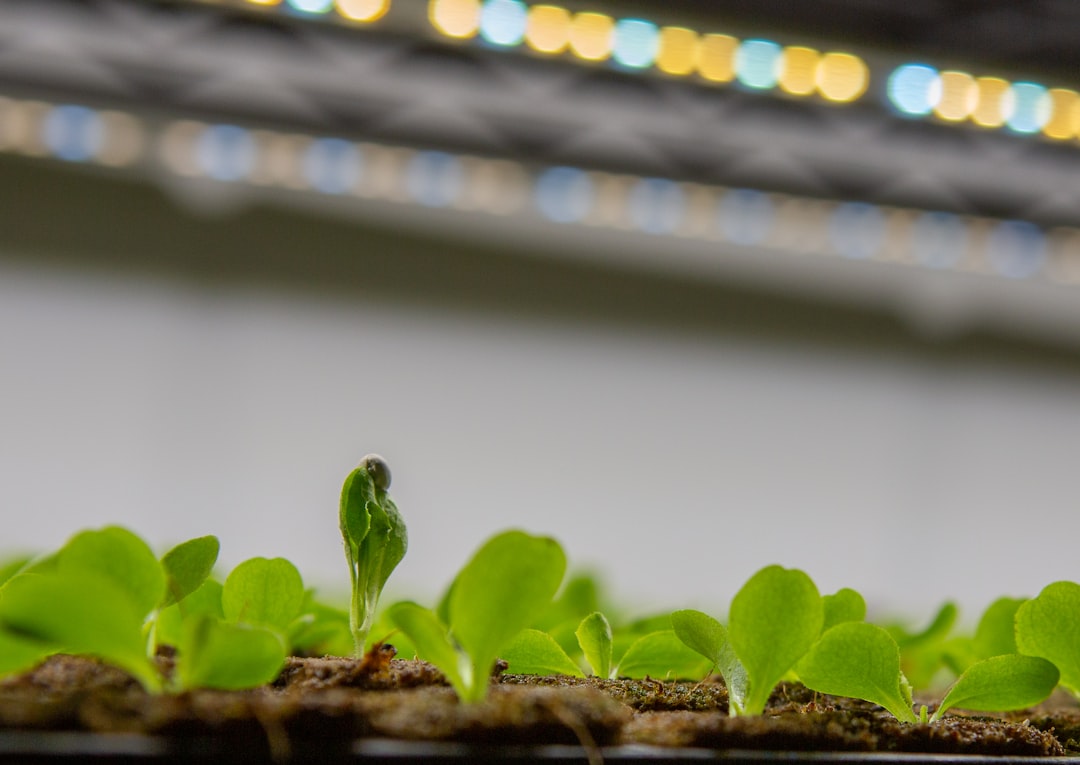
- Light source (window or LED).
- Warmth (most seeds germinate best at 18-22C).
- Air circulation (a small fan on low prevents damping off).
- Storage for seed packets, labels and small tools.
Three configurations we have used
Bookshelf station
A single shelf, 80 cm wide, 30 cm deep, on an empty bookshelf level. Holds two 1020 trays. LED strip light under the shelf above. Total cost roughly $40 (light, timer, trays).
Wire shelf station
Standalone 90 x 45 cm 4-shelf wire rack. Two levels for seedlings, two for storage. LED light fixtures under each level. Holds 8 trays.
Window-sill station with reflective backboard
A south-facing window sill widened with a 30 cm shelf, plus a white-painted backboard to reflect light. Free apart from the paint. Less productive than LED-lit setups but no electricity.
What to put on the shelves
- 1020 seed trays (or recycled food trays with drainage holes).
- Humidity domes (for the first week of germination).
- Heat mats (optional but useful for chillies and tomatoes).
- Labels and a permanent marker.
- A small spray bottle.
- A copy of the year’s sowing plan.
A realistic spring workflow
- Late February: chillies and peppers (need warmth and time).
- Mid-March: tomatoes and aubergines.
- Early April: basil, cucumbers, courgettes.
- Mid-April: brassicas, lettuce, herbs.
- Late April: beans (start indoors only if your last frost is late).
Spread sowings across weeks rather than doing all in one day. Your station will be overwhelmed otherwise.
Common mistakes
- Overcrowding trays: leggy seedlings.
- Light too far: stretched plants.
- Water sitting in trays: damping off, fungal death.
- Skipping hardening off: shock when planted outdoors.
- Sowing too early: seedlings outgrow station before frost passes.
Tear down after the season
By June the station should be empty. Clean trays thoroughly with diluted vinegar to remove residual disease. Wipe down lights and stash for next season. The shelf returns to normal use until next year.
Further reading
Two authoritative resources we recommend if you want to go deeper on this topic:
Frequently asked questions