Sun is the single most useful piece of information about a balcony, and it is the piece of information most new urban farmers skip. They look at planting calendars, hardiness zones, seed packet timings, and recommended container sizes, and they never sit down with a coffee and actually watch how the light moves across the floor.
This is a quiet practice rather than a chore. Spend a day getting it right and the next decade of choices becomes simpler. Pick the wrong sun reading and you spend three seasons wondering why your peppers sulk.
What we actually mean by “full sun”
Seed packets and gardening books talk about full sun, partial sun, partial shade and full shade as if these are crisp categories. They are not. The working definitions we use:
- Full sun: six or more hours of unobstructed direct sun in mid-summer.
- Partial sun: four to six hours of direct sun, ideally with the bulk in the morning.
- Partial shade: two to four hours of direct sun.
- Full shade: less than two hours of direct sun; bright reflected light otherwise.
These are summer figures. In spring and autumn the hours shrink, sometimes dramatically. A south-facing balcony that feels generous in June can be in shadow by 3pm in late October.
How to read your balcony in one day
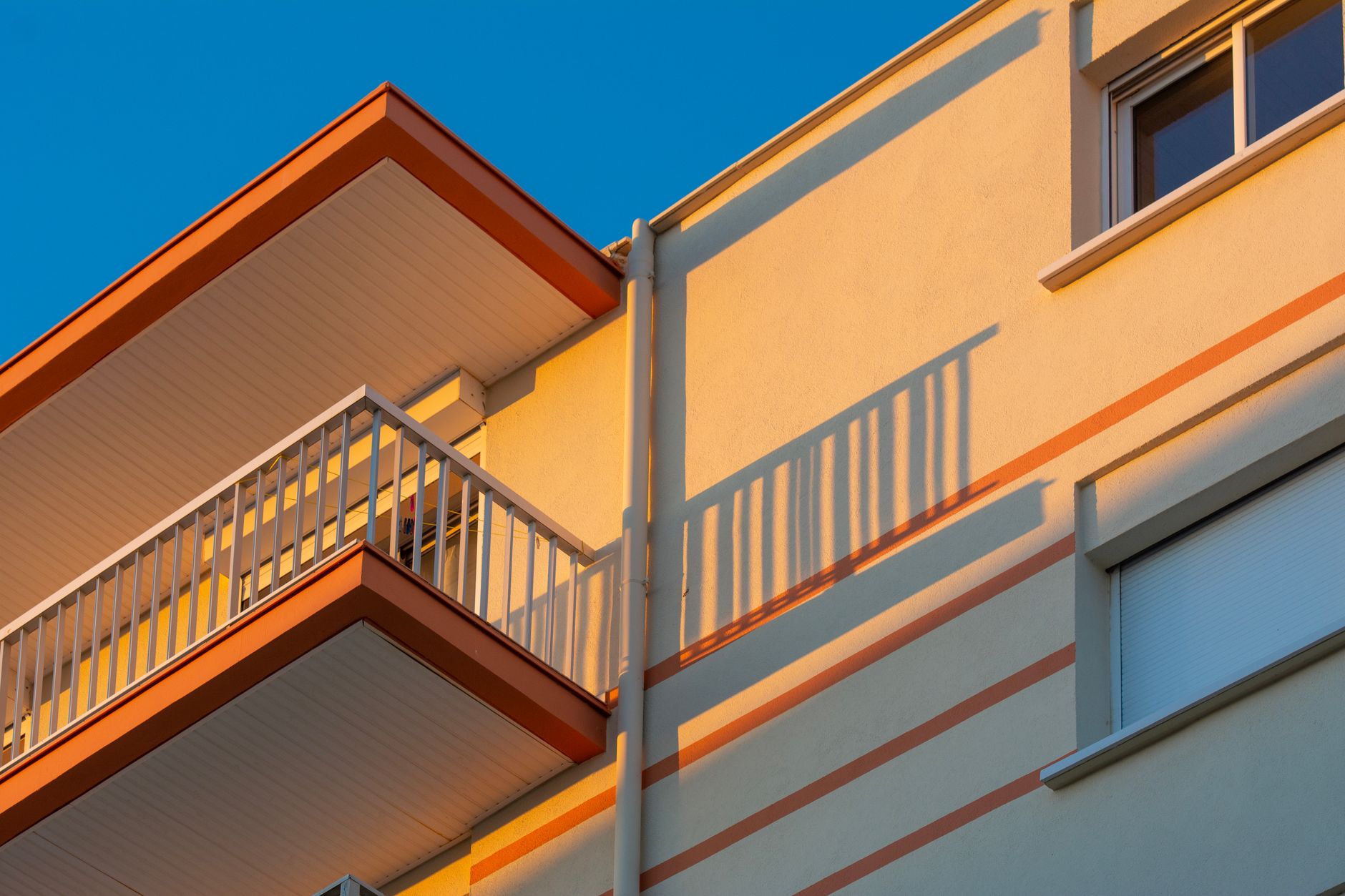
Choose a clear day in the season you are planning for. Make a simple sketch of the balcony on a piece of paper. Set five reminders on your phone: 8am, 10am, noon, 2pm and 4pm. At each reminder, step out, mark on the sketch where the direct sunlight is falling, and where the shadow line of the railing or wall sits.
By the end of the day you have a map. The bright spot near the railing that gets a full five hours is where the tomato will live. The corner that only gets a flash of bright reflected light at noon is where the parsley will be quite happy.
East, west, south, north: a quick orientation
South-facing (northern hemisphere)
Gets the most consistent direct light. Best for fruiting crops: tomatoes, peppers, beans, squashes if there is room. The trade-off is afternoon heat that dries pots fast.
East-facing
Gentle morning sun, often three to four hours. Excellent for soft herbs (basil, parsley, mint), salad greens, and even small chillies. Pots stay cooler so watering pressure is lower.
West-facing
Strong afternoon sun. Good for fruiting crops, but the heat can be brutal in midsummer. Group pots together and consider some afternoon shade cloth on heatwave days.
North-facing
The shaded child of balcony orientations. Excellent for leafy greens, lettuce, mint, parsley, chives, mizuna, sorrel, ferns. Not realistic for tomatoes or peppers, no matter what the catalogue says.
Obstructions matter as much as orientation
A south-facing balcony two floors below another building is functionally an east-or-west balcony depending on how the upper floors block midday sun. A side wall jutting out can mean half the balcony is in full sun and the other half in three hours of light. A neighbouring tree that drops leaves in October gives you bonus winter light that disappears again in spring.
How to plan after you have read the light
Once you have a map of light, you can place plants by need rather than by aesthetic. Fruiting crops to the bright spots, leafy greens to the dappled corners, herbs in the middle where they get morning light and afternoon shade. The plants tell you they are in the right place by quietly getting on with growing.
Further reading
Two authoritative resources we recommend if you want to go deeper on this topic:
Frequently asked questions