An indoor herb wall is one of those projects that look ambitious in photographs and turns out to be quite practical in reality. A simple wall-mounted shelf or pocket system holds enough herbs to flavour daily meals year-round, takes up almost no floor space, and decorates a kitchen wall in a way that feels alive rather than ornamental.
This guide walks through the building blocks, what to plant, and the watering logistics that determine whether the wall thrives or quietly dies.
Pocket walls vs. shelf walls
Pocket wall
Multiple small pockets fixed to a board or directly to a wall. Holds 8-20 small herbs in 1 m² of wall space. Beautiful and dense. Watering is fiddly.
Shelf wall
Two or three narrow shelves, holding small pots in rows. Easier to water and rotate. Slightly less dense visually.
For ease of maintenance, we prefer shelf walls. For maximum density, pocket walls.
What to plant
- Mint, parsley, chives: vigorous, productive, daily-use staples.
- Basil: best in summer; treat as seasonal.
- Thyme, oregano: compact, slow-growing, low water needs.
- Coriander: quick to bolt; replant every 4-6 weeks.
Group herbs by water needs: keep moisture-loving herbs (basil, parsley, mint) on one shelf and Mediterranean herbs (thyme, oregano, rosemary) on another. They suffer if mixed.
Light
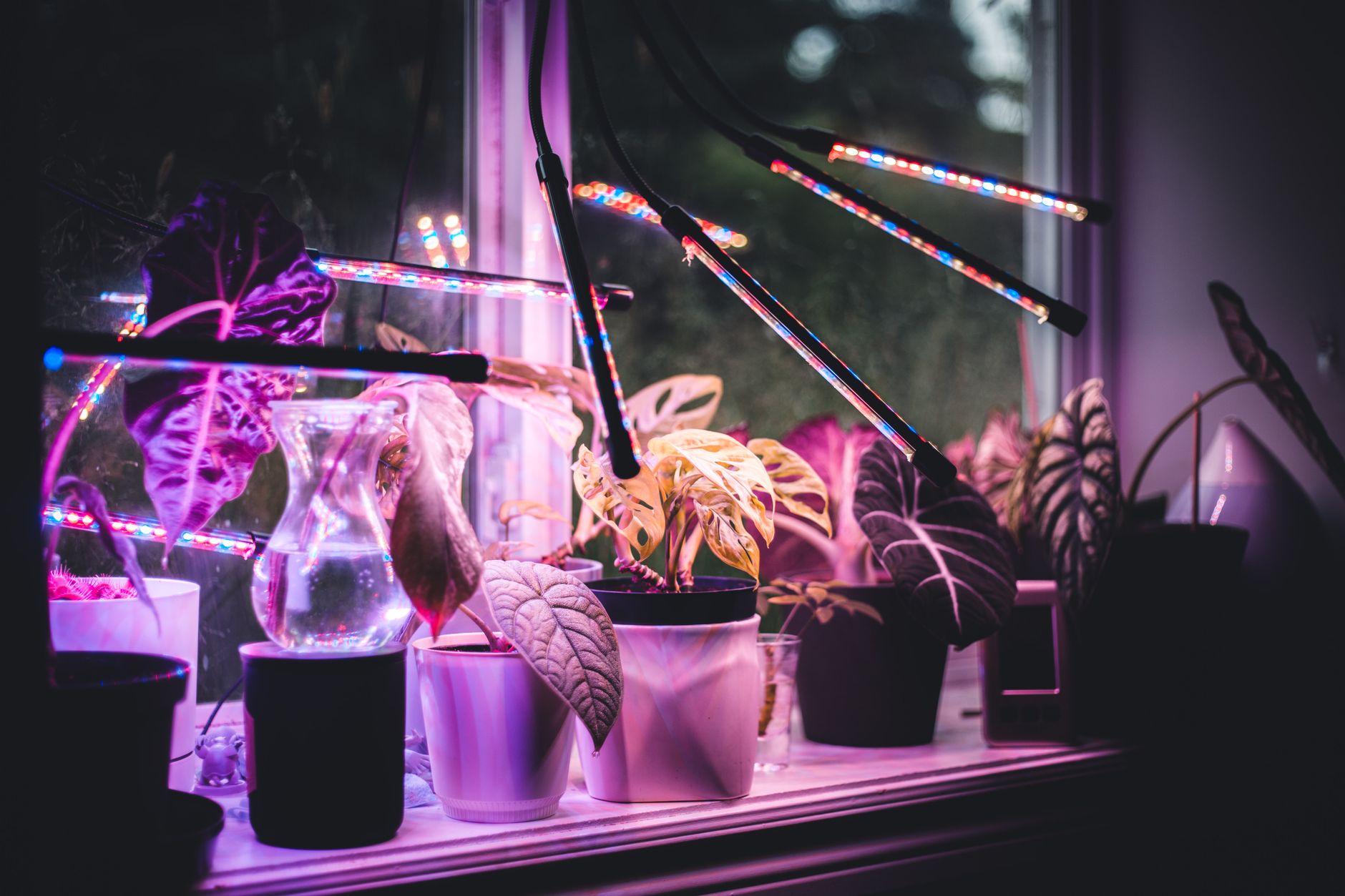
A north-facing wall will not support most herbs without supplemental lighting. South or east-facing walls receive enough light in summer. For year-round production, add a small LED strip light above each shelf.
Watering: the daily challenge
Vertical setups dry from the top down. Top pockets need more water; bottom pockets retain moisture longer.
- Use a long-spouted watering can for narrow pockets.
- Water each pocket lightly and observe drainage.
- Wipe walls dry after watering to prevent water marks.
- Self-watering pots in shelf walls reduce daily attention.
A simple installation
- Choose a wall with adequate light (south/east) and stud locations.
- Mount a 50 x 100 cm pegboard or plywood backer with screws into studs.
- Attach 3-4 narrow shelves with brackets, 25 cm apart vertically.
- Mount LED strip lights underneath each shelf if needed.
- Place a drip tray on the floor or under the lowest shelf.
Maintenance routine
- Daily glance to check drying out.
- Water 2-3 times a week (more in summer).
- Pinch herbs weekly to keep them bushy.
- Replace bolted or exhausted herbs every 2-3 months.
- Refresh soil annually.
When it stops being worth it
If you find yourself replacing herbs every two weeks because they keep dying, the wall is in too little light. Either move it or accept that it is now a seasonal summer project. Be willing to retire a project that is not working; it is part of the slow craft.
Further reading
Two authoritative resources we recommend if you want to go deeper on this topic:
Frequently asked questions