Hydroponics promises a future of futuristic indoor farming. The reality of beginner hydroponics is messier. You will calibrate pH for the first time, fail to balance nutrients, get an algae outbreak in the reservoir, and learn a great deal about water chemistry that you did not expect to need.
This is not a discouragement. Hydroponics genuinely works at home and produces noticeable yields. But the marketing makes it look like an appliance. It is closer to a small ecosystem requiring weekly attention. This guide explains what you are actually signing up for.
Why grow hydroponically at home
- Year-round growing, including deep winter.
- Faster growth than soil for many crops.
- No soil-borne pests or weeds.
- Compact footprint relative to yield.
What you give up
- Some flavour intensity in fruiting crops.
- Independence from electricity and grid water.
- Tolerance for missing a check; a pump failure can kill plants in a day.
- The pleasure of working with soil.
Simple home systems
Kratky method
The simplest. Net pots in a sealed reservoir of nutrient solution. No pump, no electricity. Works beautifully for lettuce and herbs. The water level falls as plants grow; you do not top up.
Deep water culture (DWC)
Net pots in a reservoir with an air pump bubbling oxygen through the water. Faster growth than Kratky. Cheap to build for $40-$60.
Nutrient film technique (NFT)
A thin film of nutrient solution runs continuously through a sloped channel. Roots dangle into it. More complex to set up.
Ebb and flow
A growing tray is periodically flooded with nutrient solution then drained. Useful for larger plants.
What you must monitor
- pH: 5.5-6.5 is the sweet spot for most leafy crops. Test weekly.
- EC (electrical conductivity): measures nutrient concentration. Pen-style meter, $20.
- Water temperature: ideally 18-22C. Above 26C causes algae and root issues.
- Light hours: 12-16 hours a day for leafy crops.
Nutrients
Use a two- or three-part hydroponic nutrient set rated for the crops you are growing. Mix according to packet instructions; resist the urge to add more.
Pre-mixed organic hydroponic nutrients exist and are improving. Strict organic standards in hydroponics are debated. For home growing, either approach works.
Crops that work best
- Lettuce and salad greens (Kratky or DWC).
- Basil, mint, parsley (DWC).
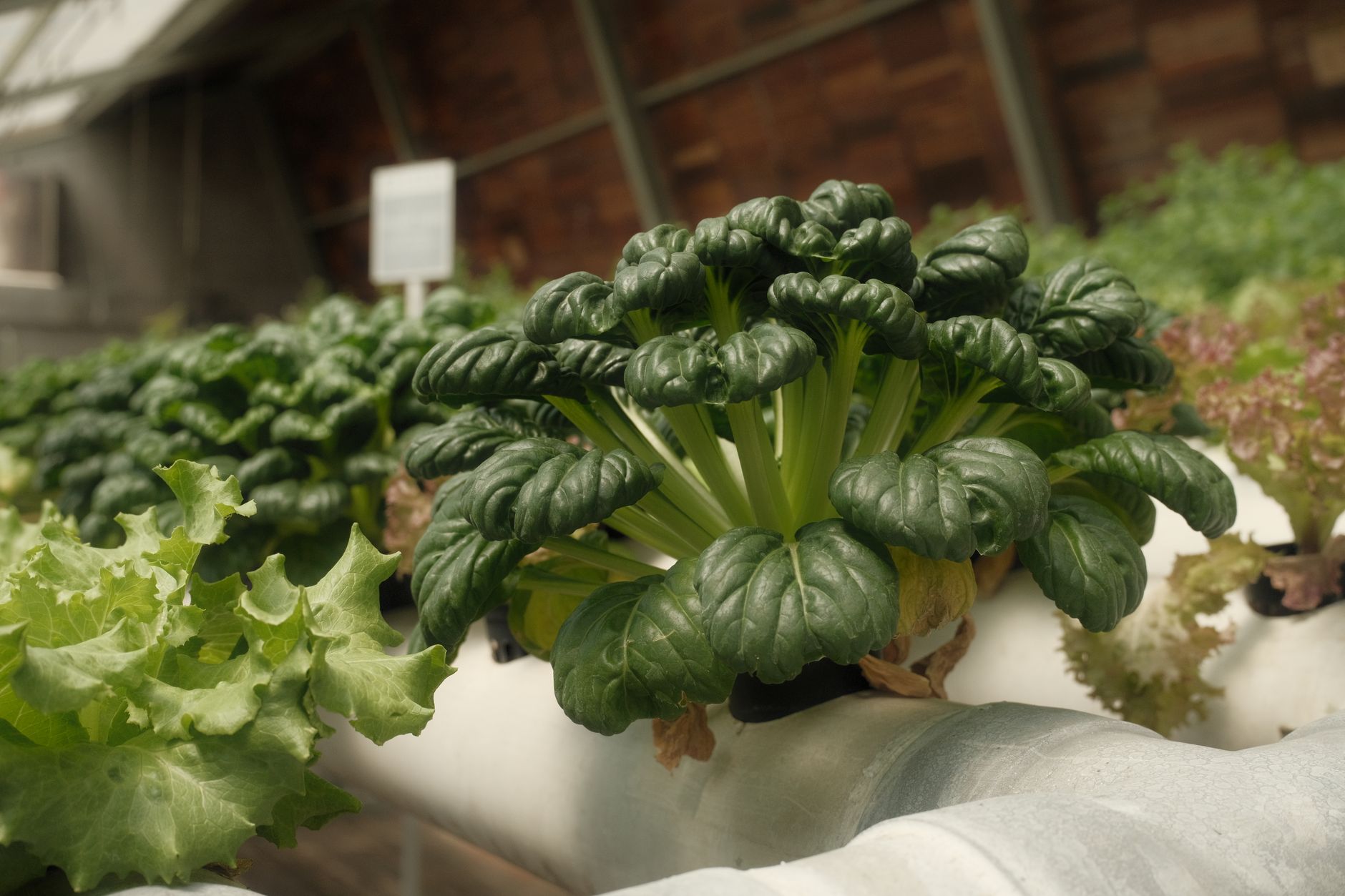
- Bok choi and pak choi (DWC).
- Cherry tomatoes in larger DWC or ebb-and-flow.
- Strawberries in NFT or vertical towers.
Crops that struggle
- Root vegetables (carrots, beetroot, parsnips).
- Large vining crops (cucumbers, squashes).
- Anything that prefers cool roots in midsummer.
Further reading
Two authoritative resources we recommend if you want to go deeper on this topic:
Frequently asked questions