Repair is a quietly powerful sustainable practice. A broken garden tool, a frayed handle, a wobbly chair: each can usually be fixed for the cost of a screw, a bolt or thirty minutes of work. Compared to replacement, the saving is measurable. Beyond the math, the practice of fixing things changes how you relate to your possessions.
This guide is about garden tool repair specifically. Most of the techniques apply to other broken objects too.
A repair-first mindset
When a tool breaks, the new reflex is to bin it and order a replacement. The slightly older reflex is to look at it for a moment and ask: “What is the actual broken part? Could I fix that?” In most cases the answer is yes.
Broken wooden handles
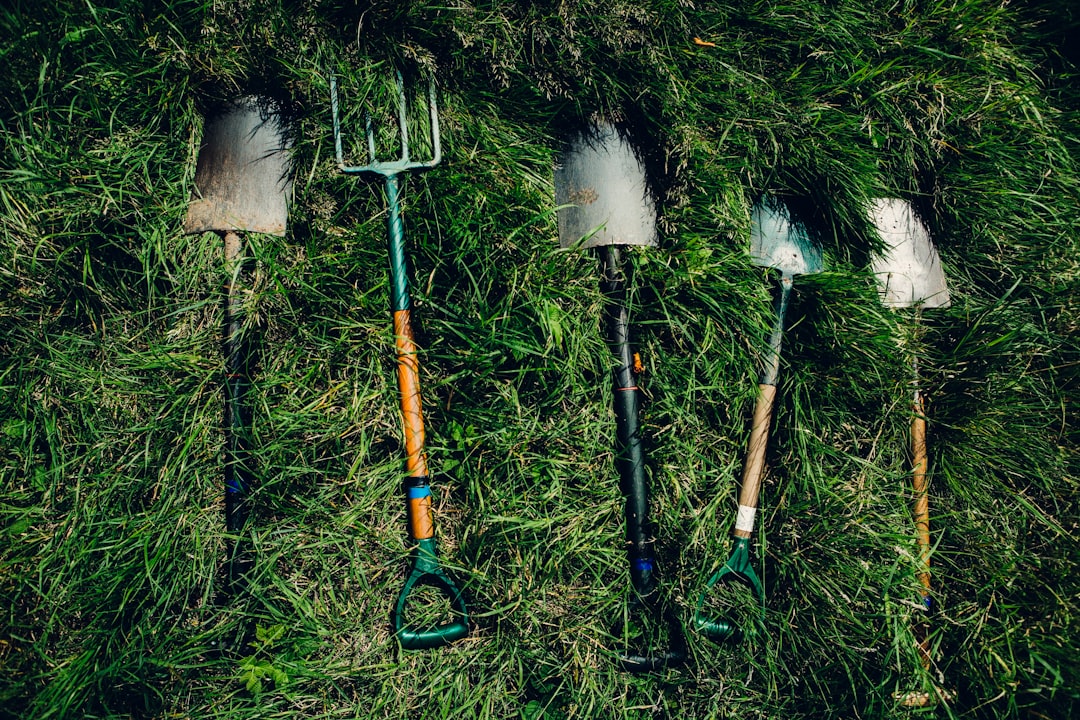
Almost every wooden-handled tool can have its handle replaced. Replacement handles are sold at hardware stores or online for $5-$15.
- Remove the old handle (often involves drilling out a small pin or wedge).
- Clean the socket.
- Fit the new handle.
- Tap or wedge tight.
- Oil the new handle with linseed.
Dull blades
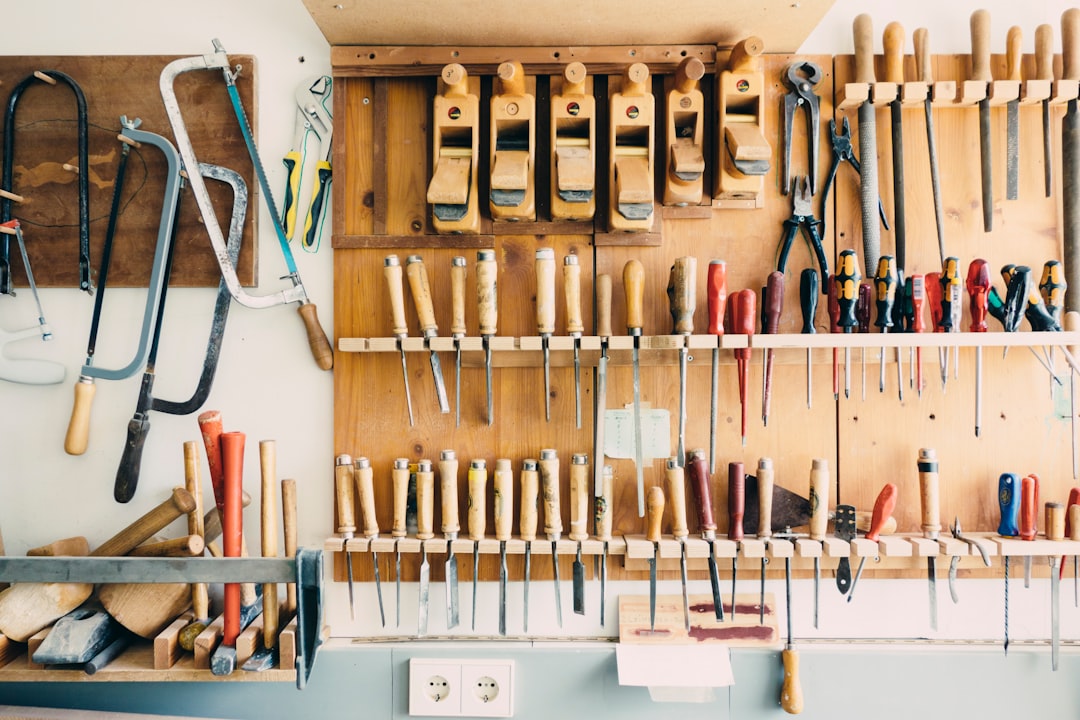
Spades, hoes, shovels, secateurs, sickles, knives. All can be sharpened with basic tools.
- Flat file for shovel and spade edges.
- Sharpening stone for knife edges.
- Diamond file for secateur blades.
- Sand and rust eraser for surface rust.
Rust
Light surface rust comes off with steel wool and a bit of vinegar. Heavy rust may need wire-brushing or, in extreme cases, a vinegar bath overnight. After cleaning, oil immediately to prevent recurrence.
Loose joints
Wobbly hinges, loose handles, broken latches. Often fixed with a stronger screw, a small wood plug to fill an old hole, or a bit of wood glue.
When to replace anyway
- The metal head itself is cracked or warped.
- Replacement parts are no longer available.
- The repair cost approaches new-tool cost.
- Safety is compromised (a spade head that flies off mid-use).
These are rarer than the marketing suggests.
A real example: secateurs
Felco secateurs cost around $90. They have replaceable blades ($25), springs ($5), and bolts ($3). A pair maintained over twenty years might consume $50 in parts. The same period would consume eight $20 disposable secateurs, with much worse cutting performance.
Learning the skills
- YouTube has tutorials for nearly every common repair.
- Local repair cafés and “fix-it” groups exist in many cities.
- Books like “Use Your Hands” cover most basic repair techniques.
- Most importantly: try. Failed repair is still cheaper than replacement and teaches.
Further reading
Two authoritative resources we recommend if you want to go deeper on this topic:
Frequently asked questions