A compact greenhouse changes a small homestead more than any other single piece of equipment. It extends the growing season by months, lets you start seedlings earlier, and provides a quiet, often warm space to sit in winter. The catch is that compact greenhouses come in wildly different qualities, and the cheap ones often turn into a year-long disappointment within months.
This guide walks through walk-in, cold-frame, and small lean-to options, what each is genuinely useful for, and where money is well-spent versus wasted.
Sizes we actually find useful
- Cold frame (1m wide, 0.6m deep): seed starting, hardening off, salad extension. The most useful first purchase.
- Walk-in compact (2m wide, 1.5m deep): real spring head-start for tomatoes, peppers; winter herb survival.
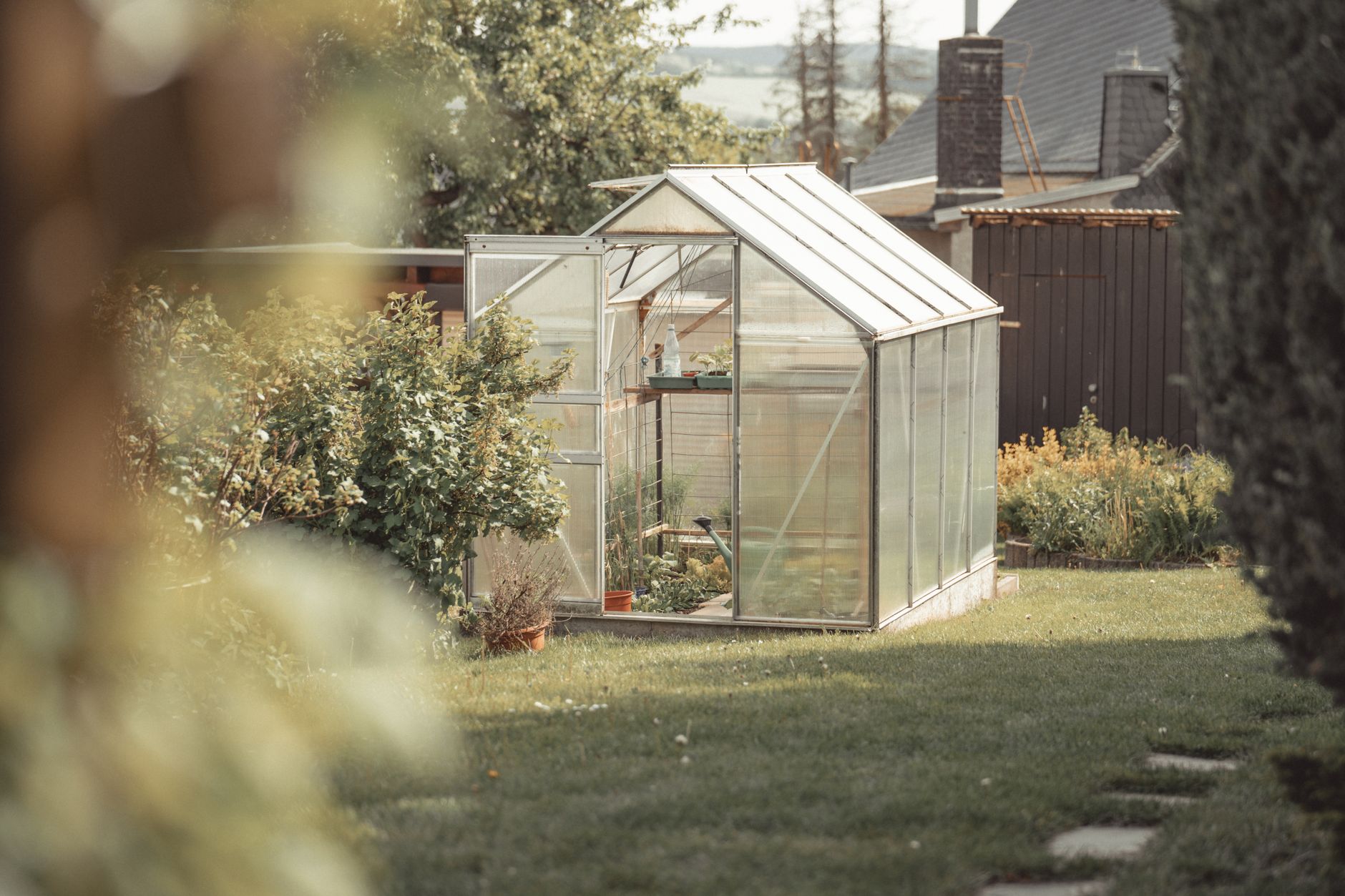
- 6 by 8 foot greenhouse: substantial growing space, can support overwintering of tender plants and year-round salad.
Materials: what holds up
Polycarbonate panels
The current best-value choice. Twin-wall polycarbonate has good insulation, scatters light helpfully, and lasts 10 to 15 years. Slightly less clear than glass but easier to maintain and far less likely to crack in hail.
Tempered glass
The traditional choice. Clearest light, most attractive, but expensive and heavy. A tempered glass panel that breaks is a serious cleanup.
Polythene film
Cheap, useful for tunnel-house designs, lasts 3 to 5 years before degrading. Not as good as panels in cold weather.
Frame: aluminium versus wood
Aluminium frames are light, weather-resistant and easy to assemble. They look modern, fit small spaces, and last 20+ years.
Wooden frames (cedar or treated pine) are traditional, attractive, easy to attach extras to with screws, but heavier and require maintenance every few years.
Lean-to vs. freestanding
A lean-to greenhouse uses the south wall of a house or shed as one side. Cheaper, warmer in winter, easier to run power or water to, and looks built-in. Best for small spaces.
Freestanding gives you all-round access but needs a true sunny spot away from buildings.
What a compact greenhouse changes
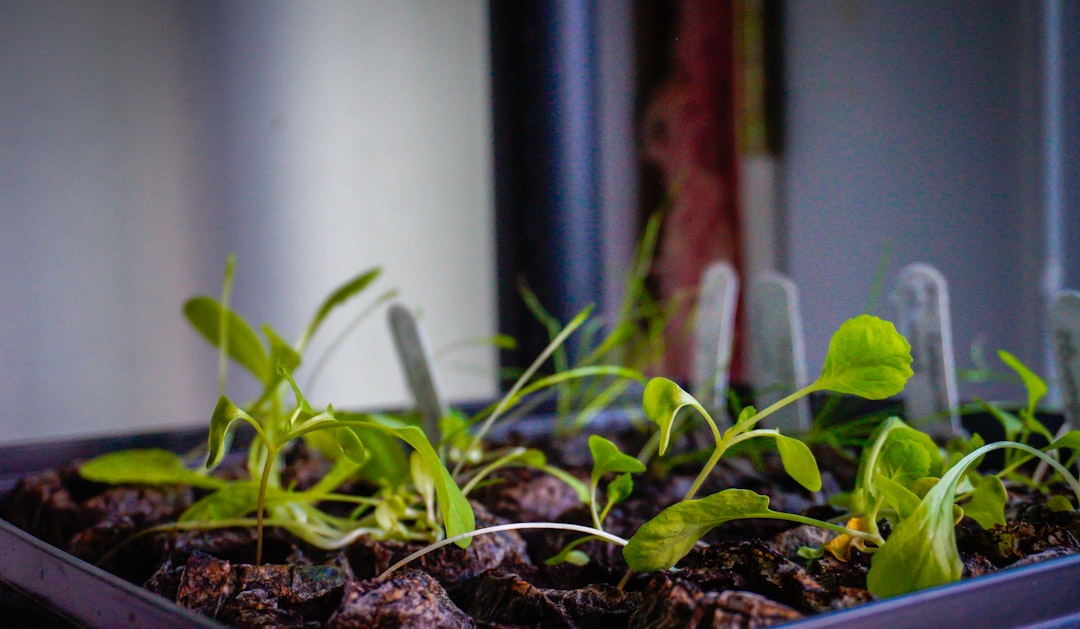
- Start tomato and pepper seedlings 6-8 weeks earlier.
- Grow winter salad December through February.
- Overwinter tender perennials and cuttings.
- Dry herbs and onions in autumn under shelter.
- Create a sheltered place to work in poor weather.
Common mistakes
- Placing in shade. A north-facing greenhouse wastes its potential.
- Ignoring ventilation. Without vents, a greenhouse cooks plants in summer.
- Skipping the base. A greenhouse should sit on a level concrete or gravel pad, not directly on grass.
- Not anchoring properly. A windy day will lift an un-anchored lightweight greenhouse off the ground.
What we recommend for first-time buyers
A 4×6 foot polycarbonate walk-in with aluminium frame, set against a south-facing wall on a gravel base, with two ridge vents. Total cost roughly $400-$700. This setup gives 95% of the practical benefit of a full-sized greenhouse at a fraction of the cost and footprint.
Further reading
Two authoritative resources we recommend if you want to go deeper on this topic:
Frequently asked questions