A homestead accumulates containers. Stackable bins, harvest baskets, food-grade buckets, pantry jars, bulk storage for grain. The kit is unglamorous and slightly tedious to think about, but the wrong storage costs you real food. A bag of grain in the wrong container becomes mouse food within a winter.
This guide walks through the storage system we have built up over the years, what to buy, what to repurpose, and where to spend slightly more on long-life containers.
Food-grade buckets (20 litre)
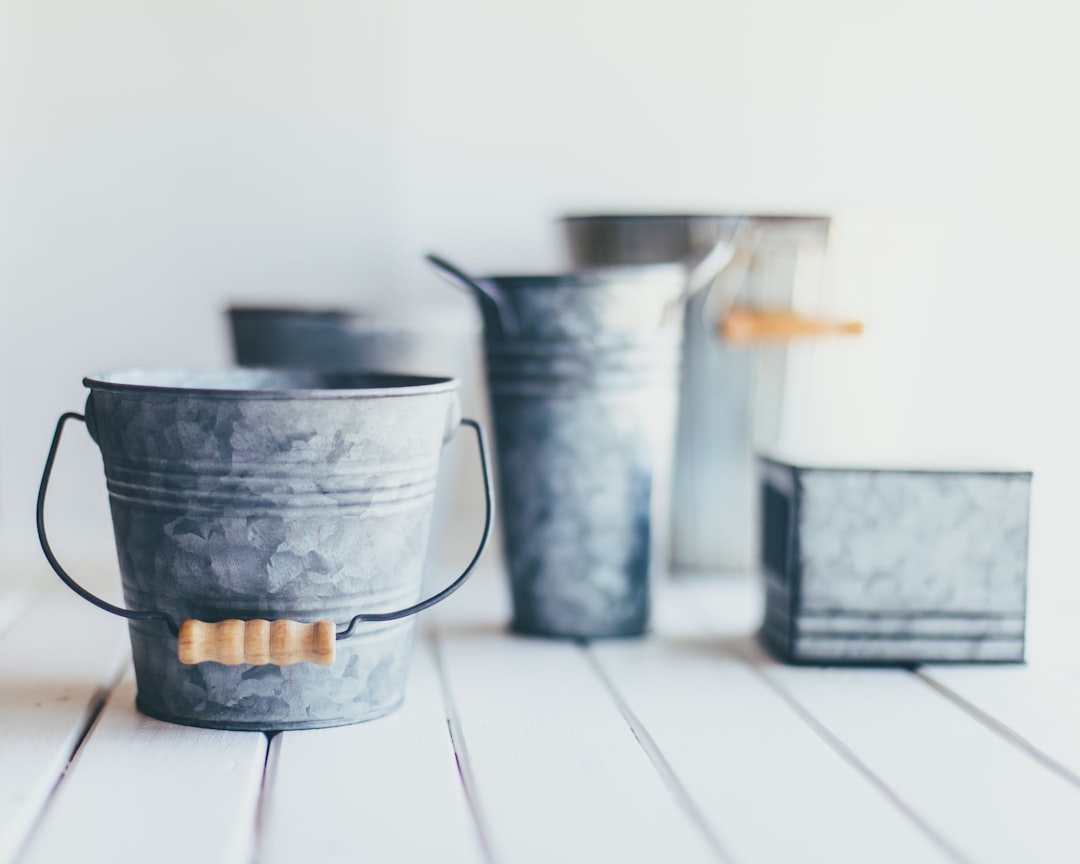
The workhorse of small-homestead storage. With a sealing lid (often called a Gamma Seal), they hold grain, flour, dried beans, dog food, anything that needs to stay rodent-proof and dry.
Restaurant kitchens give away food-grade buckets free if you ask. Bakeries are particularly generous.
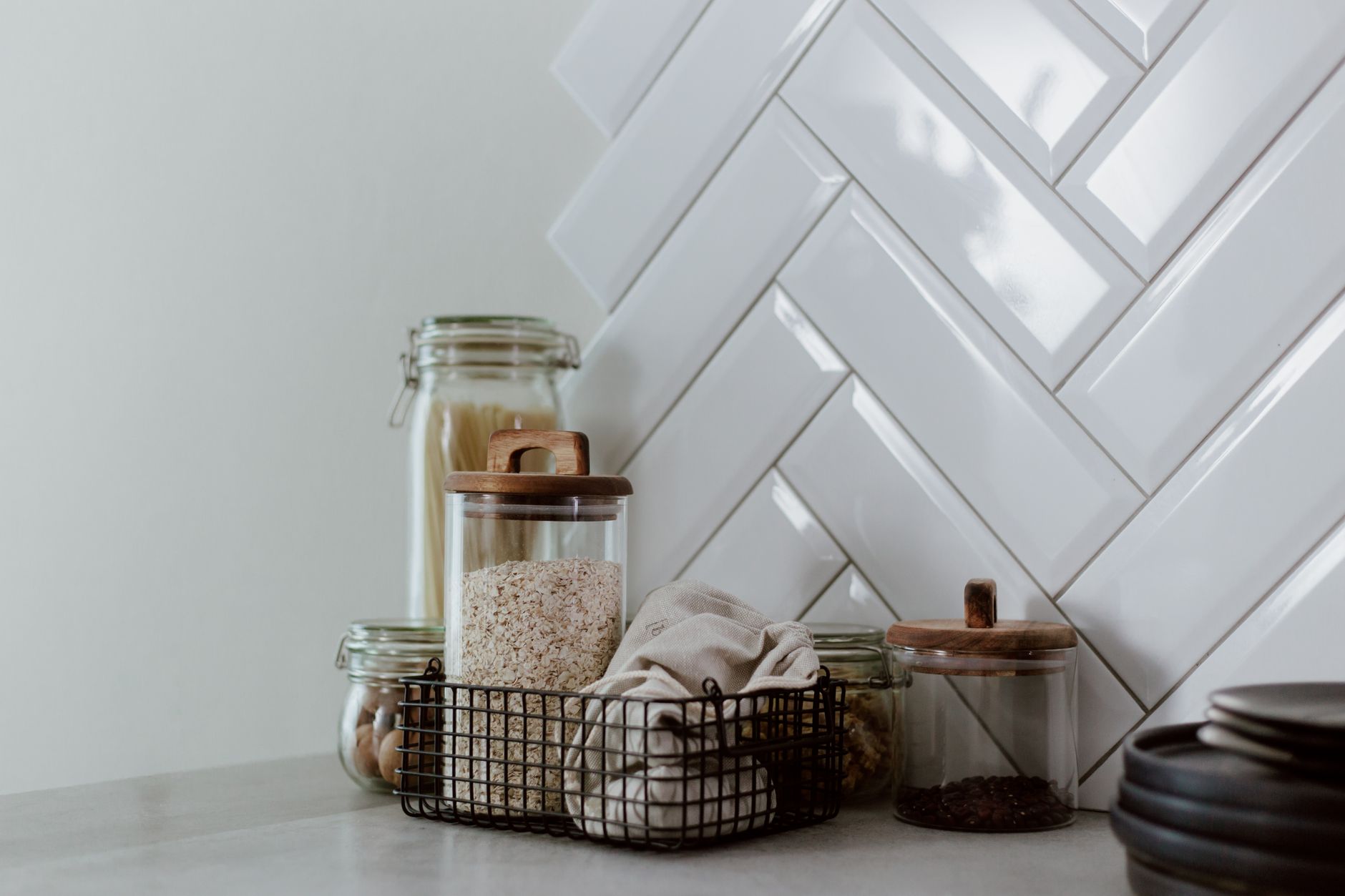
Glass jars in three sizes
- Small (250-500 ml): jam, ferments, infusions, seeds.
- Medium (500 ml – 1L): dried herbs, beans, rice, grain in moderate quantities.
- Large (1.5-2L): pasta, bulk grain that gets refilled often.
Mason jars, kilner jars, or even repurposed pasta sauce jars all work. Keep lids organised separately.
Stackable plastic bins
For garden harvest, tool storage, seed packet organisation, and bulk equipment. The cheap clear plastic bins from any hardware store last for years. Label everything; unlabeled bins multiply.
Harvest baskets
A wicker or wood-slat basket holds harvested vegetables better than a plastic tub. Air circulates, and the basket looks pleasing on a kitchen counter while you process the day’s haul. One mid-sized basket, $20, lasts a decade.
Seed storage
Seeds last longest cool and dry. A wooden box with envelopes by variety, kept in a cupboard or basement, is the simplest system. Alternatively, a Tupperware-style sealed box with silica gel sachets keeps moisture out.
Pantry rotation
Without a rotation system, the back of the pantry becomes a graveyard of three-year-old beans. Use a simple rule: new stock goes to the back, oldest stock to the front. Once a quarter, pull everything out, dust shelves, and rotate.
What we repurpose
- Wide-mouth pasta sauce jars: small herb storage.
- Coffee tins: large pantry items like brown sugar.
- Beer growlers: kitchen oil refills from bulk store.
- Hardware store paint buckets (cleaned): garden waste collection.
What we replace promptly
- Any container with a broken seal.
- Plastic containers that have warped from heat.
- Jars with rusty or stuck lids.
- Buckets used for non-food storage that smell off.
Further reading
Two authoritative resources we recommend if you want to go deeper on this topic:
Frequently asked questions