A bucket is a bucket, mostly, until you have carried the wrong one for a season. Then you notice that your shoulder is sore on chore days, that you spill more than you should, and that you have started avoiding the second trip to the compost heap. Bucket size is one of those small equipment decisions that ripples through everything.
The right bucket for a small property is the largest one you can carry fully loaded, one-handed, over your usual chore path without shifting your grip. That size varies dramatically by person, chore, and path. Here is how to figure out yours.
The four bucket sizes that cover almost everything
You need surprisingly few buckets. On a small property, four sizes handle nearly every recurring chore:
- 4 to 5 litre small bucket. Herb harvest, egg collection, feed measuring, hand-picking pests. Light enough to carry full for extended periods.
- 10 litre standard bucket. The workhorse. Kitchen scraps to compost, mulch spreading, tool carrying, water for hens, small potting jobs. This is the bucket you buy in triplicate.
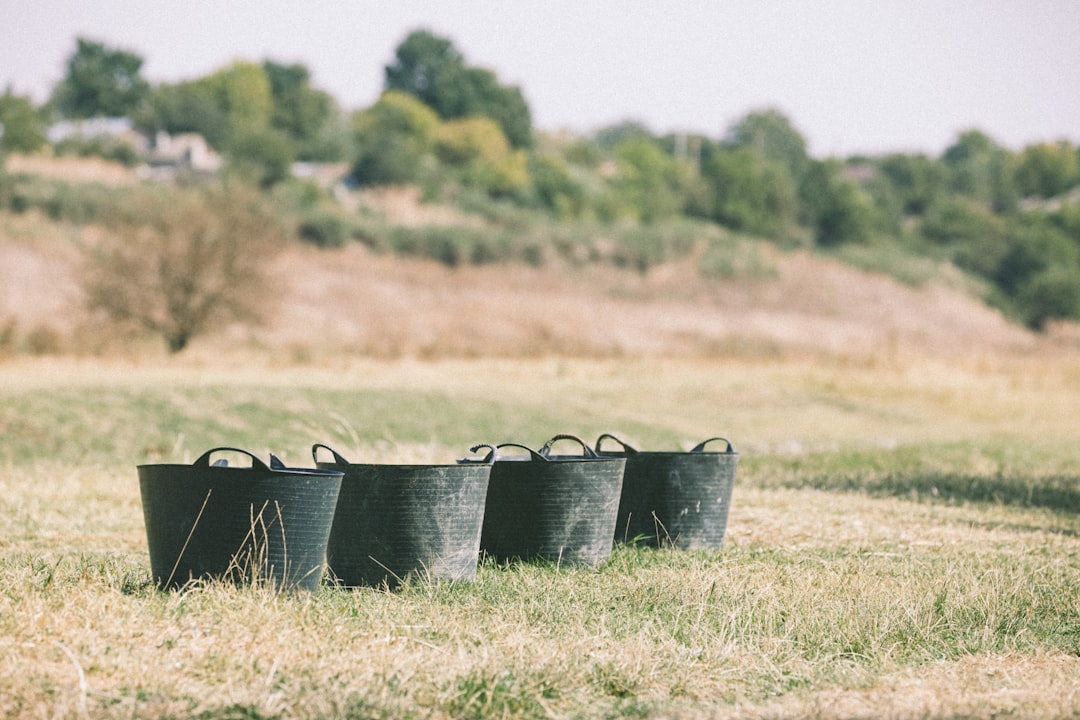
- 15 to 20 litre trug or heavy bucket. Compost turning, heavy soil moving, coop bedding transport, potato harvest. Full and heavy; expect to carry it two-handed sometimes.
- 25 to 30 litre large capacity bucket or wheelbarrow. Bulk mulch, seasonal cleanouts, big compost transfers. Rarely carried; usually rolled.
The maximum-load carry test
Before you commit to a bucket size, test it. Fill the empty bucket with water to about 80 percent of the volume you would actually use it for (compost is roughly the same weight per litre as water, so this simulates a realistic load). Then walk your normal chore path (from kitchen to compost heap, from feed bin to coop, from tool shed to garden bed) in the same shoes you would wear, at your normal pace, without shifting your grip.
The right size is the largest one you can complete this test with comfortably. If your grip fails halfway, size down. If your shoulder aches for hours afterwards, size down further. Ergonomics defeats geometry: a bucket that is technically the “right” volume for your job is the wrong size for your body if you cannot carry it without pain.
Handle geometry: bail vs. side vs. rope
Three main handle types, each with a distinct chore profile:
- Bail handle (single metal handle over the top). The default. Balanced weight distribution, works for most sizes. Downside: the thin metal cuts into your palm on heavy loads. A £2 padded handle grip (or a length of foam pipe insulation split lengthwise) makes a decisive difference.
- Side handles (two integrated grips on the bucket wall). For two-handed carry of heavier loads (mulch, wet compost). Reduces spillage on rough ground. Common on trug-style buckets.
- Rope or webbing loop. Common on collapsible buckets and lightweight harvest baskets. Very light, less durable, better for empty-carry and light loads only.
For bucket sizes over about 15 litres, look for both a bail handle AND side handles. The bail is for shorter carries, the side handles for longer ones.
Material choice matters more than you think
Not all buckets are made equal:
- Food-grade HDPE (high-density polyethylene). Standard bucket material. Durable, chemically stable, safe for water and food. Look for HDPE marked “#2” in the recycle triangle.
- Rubber composite (Tuff, Gorilla brand). Very durable, flexible, will not crack in cold weather. More expensive but lasts 10+ years vs 3-5 for cheap HDPE.
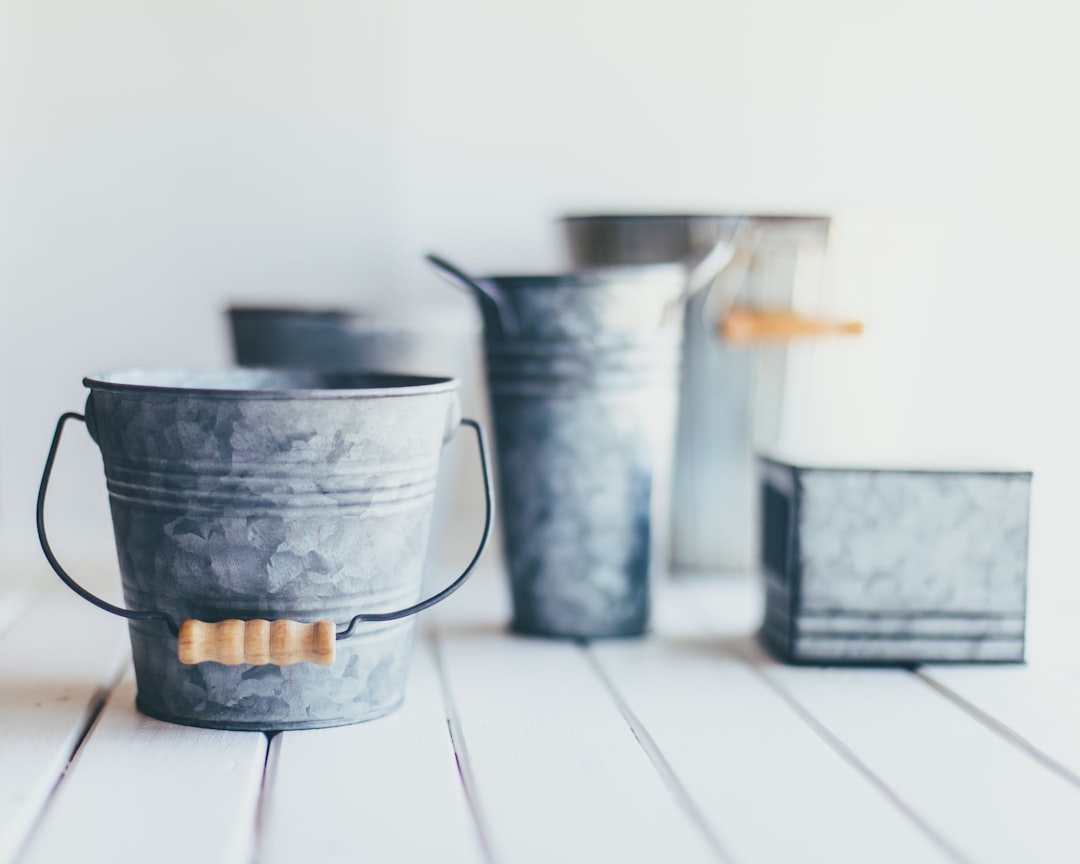
- Galvanised metal. Traditional, looks tidy, lasts indefinitely if not left out in wet weather. Heavier than plastic even empty. Best for indoor storage or dry chores.
- Woven fabric (Tubtrug-style). Not really buckets but excellent for many bucket jobs. Flexible, collapse for storage, easy on the hands. Not for water; leak through the weave.
Avoid: thin-wall cheap plastic buckets from the pound shop. They split at the handle attachment point within a season and the split is not repairable.
Chore-specific tuning
Some chores have specific bucket requirements:
- Water carrying. Must be watertight, straight-walled (tapered plastic buckets slosh more), and comfortable for repeated round trips. A 10 litre food-grade HDPE with a padded bail handle is the reliable default.
- Kitchen scraps to compost. Needs a lid (fruit flies otherwise), a smallish capacity so it does not sit indoors for weeks, and a wipe-clean interior. A 5 litre with a snap lid is the correct answer here; anything larger fills too slowly.
- Coop bedding transport. Needs volume (wood shavings are voluminous), light empty weight (you carry it every week), and easy tipping. A 20 litre rubber composite with wide mouth works.
- Cleaning. Should be dedicated to cleaning only (mop water, floor wash), colour-coded if possible (a bright blue “cleaning” bucket avoids cross-use for food or animals).
The bucket you probably already have that you should not use
Old paint buckets. Even scrubbed clean, they retain trace paint solvents that leach into water and food. Do not use for water, compost, or animal feed. Reserve for dry non-food chores only (holding tools, storing screws) if at all. New food-grade buckets are cheap enough to skip this.
Storage that keeps them useful
Stack buckets nested when possible (they are designed to; do not force). Store outdoors if UV-stable HDPE (10-year lifespan) or under cover if standard grade (5-year lifespan). A wall-mounted hook rack in a shed keeps buckets off the floor, dries them faster after use, and stops them accumulating leaves and spider webs.
Further reading
Two authoritative resources we recommend if you want to go deeper on this topic:
Frequently asked questions