After two or three seasons of writing in to readers and reading their replies, the same dozen first-year mistakes keep arriving in our inbox. They are not exotic. They are not the failures that make for entertaining magazine columns. They are small, quiet, structural mistakes that go unnoticed for weeks and then ruin a season in a single afternoon of heat.
This is not a shaming list. We have made every one of these mistakes ourselves, sometimes more than once. The point is to skip a year of frustration by getting them out of the way on paper.
Mistake one: pots that are too small
A 20 cm decorative pot from a high-street shop looks perfectly reasonable on its display table. Filled with compost and a tomato seedling, it dries out within hours of a sunny day. The plant looks healthy for a fortnight and then begins to wilt in a way that even daily watering cannot fix. The root ball has filled the pot and runs out of water faster than the soil can hold it.
For fruiting crops, 35 cm or wider is the realistic minimum. For leafy greens you can get away with 25 cm troughs, but a long, low trough is more forgiving than a small round pot.
Mistake two: ignoring how the sun actually moves
We have written elsewhere about reading a balcony’s sun before buying plants. The point is worth repeating. Many a new urban farmer puts a sun-hungry tomato in the only spot that gets bright morning light and full afternoon shade, then wonders why it sulks for two months.
Mistake three: cheap soil
The price difference between a bag of cheap general-purpose compost and a properly mixed container blend is rarely more than the cost of a couple of cups of coffee. The difference in your harvest can be enormous. Cheap mixes compact, drain poorly, dry to brick, and starve plants of nutrients within weeks.
Mistake four: planting everything at once
First-year enthusiasm leads to a calendar where everything is sown in the same week of April. By August you have a glut of lettuce that all bolts on the same hot day. Stagger your sowings by two or three weeks. Two seeds today, two seeds in a fortnight, two seeds in a month.
Mistake five: not staking early
A tomato that needs a stake in July needed one in June. Trying to stake a sprawling plant in mid-season risks snapping main stems and bruising the root system. Insert your stake when you transplant the seedling, even if it looks oversized.
Mistake six: watering by routine, not by feel
A balcony pot does not need water on Sunday morning because it is Sunday morning. It needs water when it needs water. A daily finger test reveals genuine thirst far better than a calendar reminder.
Mistake seven: skipping mulch
A one-centimetre layer of fine wood mulch or coir on top of each container pot cuts evaporation, suppresses weed seeds drifting in on the breeze, and looks tidier. New gardeners almost always skip this step. Two summers later they all add it.
Mistake eight: pretending all herbs want the same thing
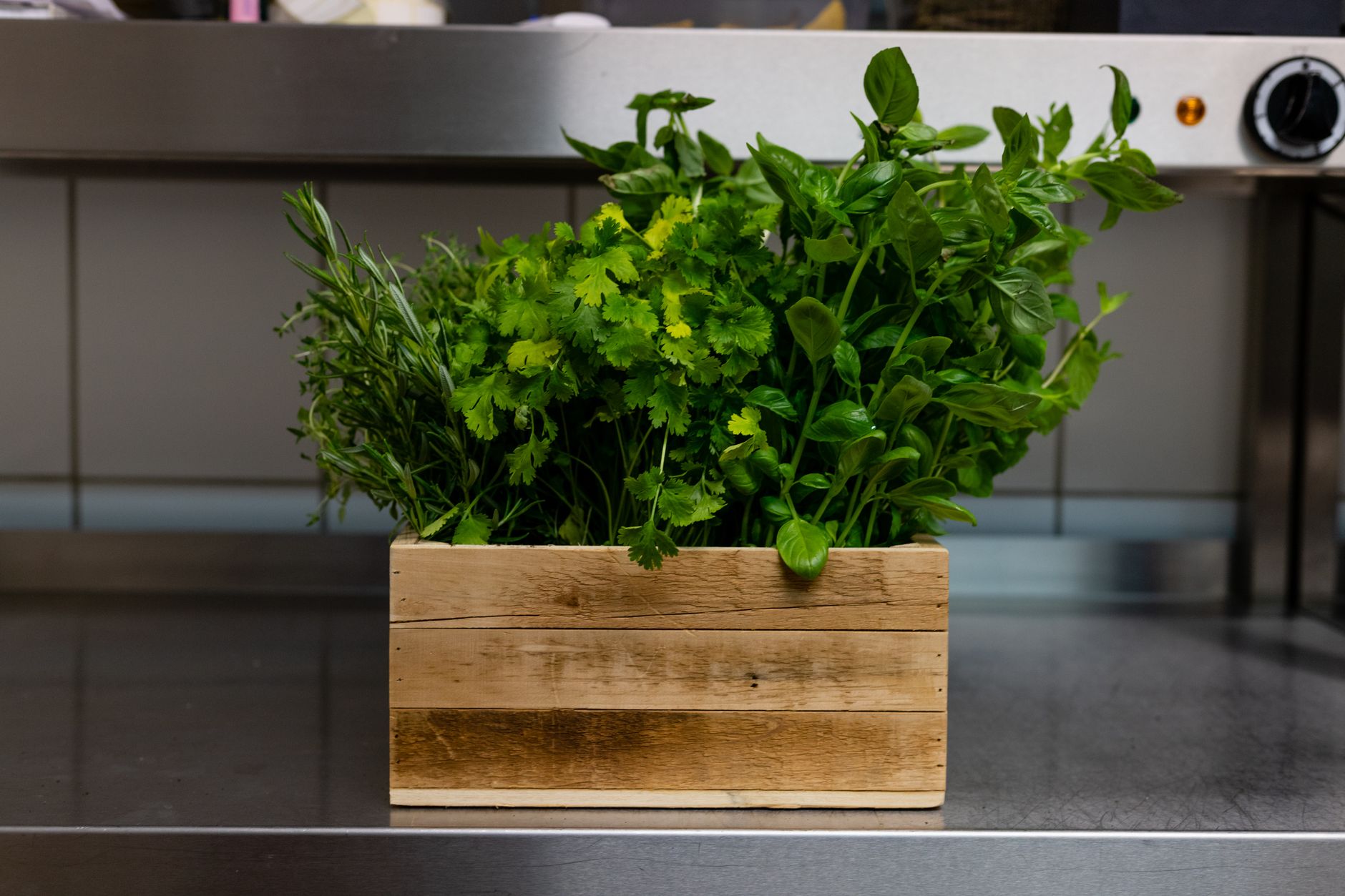
Mediterranean herbs (rosemary, sage, thyme, oregano) want gritty, dry-leaning soil and full sun. Soft herbs (basil, parsley, coriander, dill) want richer, moister soil and partial shade in high summer. Planting them together in one tidy pot is a common Pinterest-driven first-year mistake.
Mistake nine: harvesting too cautiously
Lettuce, herbs and salad greens want to be cut. A plant left untouched grows leggy and bolts. Pinch basil tops every five days. Cut salad leaves while they are smaller than you think they should be.
Mistake ten: walking away in July
Even a tidy balcony garden needs a friend with watering instructions when you go away for a week in midsummer. Pots dry in two days at 30 degrees and never recover from a single day of true neglect.
Mistake eleven: chasing every new method
First-year gardeners read about hydroponics, vertical wall systems, raised straw bales and Korean natural farming, sometimes in the same evening. Pick one method, stick with it for a season, and only then add a second.
Mistake twelve: comparing your balcony to a homestead
Your balcony will not produce a winter’s worth of squash or a year’s supply of tomatoes. That is fine. A handful of cherry tomatoes from a single plant, eaten warm off the vine, is its own reward.
Further reading
Two authoritative resources we recommend if you want to go deeper on this topic:
Frequently asked questions