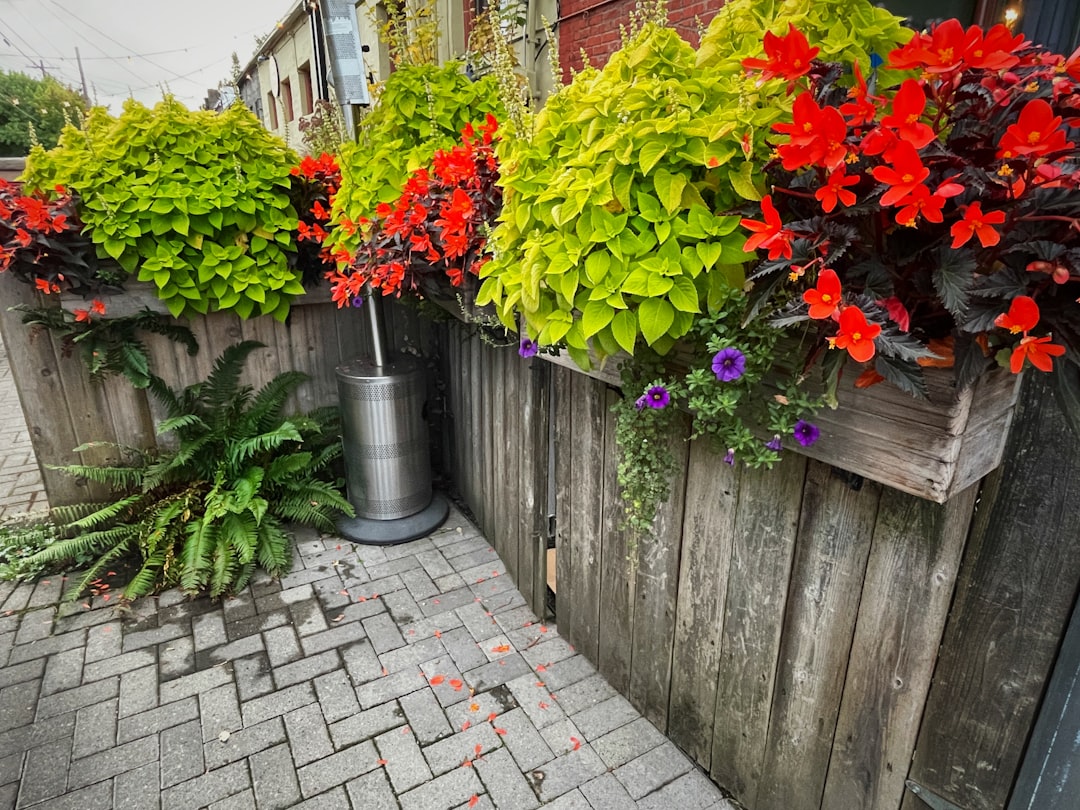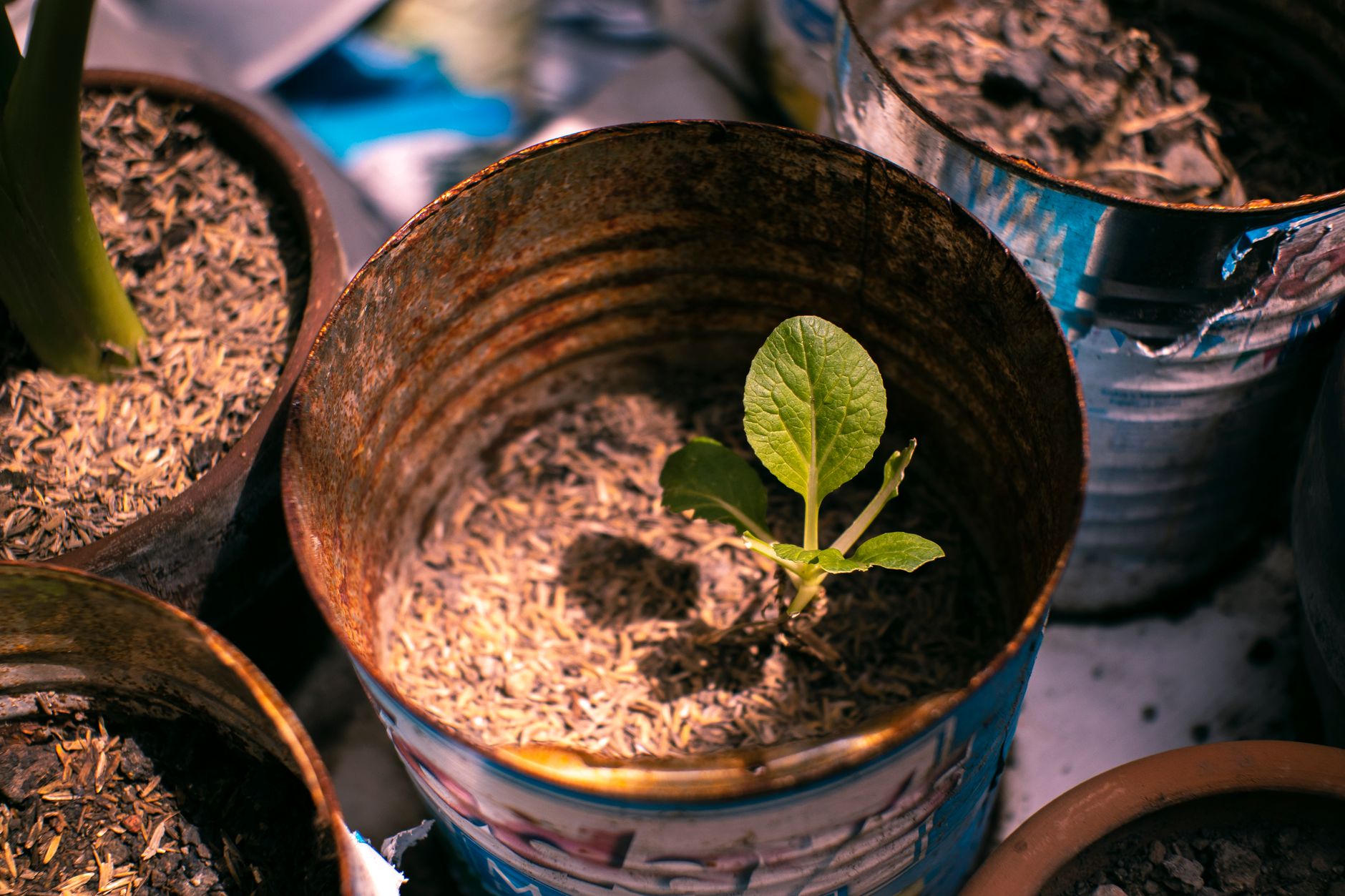
The first question new urban farmers ask, after how much sun they need, is how much food they can actually grow on a balcony. The honest answer is less than the magazine articles suggest and more than the cynics expect. Here is a realistic estimate, based on three seasons of measuring our own and our readers’ yields.
This is not a theoretical maximum. It is what we have actually weighed, harvested, eaten and occasionally given to neighbours.
A small (4 sq m) sunny balcony
With six pots arranged carefully, four to six hours of direct sun, and a season from May to October:
- Cherry tomatoes: 4-7 kg from two plants.
- Salad leaves: roughly 50 to 70 salads over 12 weeks.
- Soft herbs: enough basil, parsley and chives to flavour roughly 4-5 cooked meals a week.
- Chillies or sweet peppers: 1-2 kg from two plants.
- Strawberries (hanging basket): 0.5-1 kg.
Total weight, roughly 7-12 kg of food over six months. Total grocery value, roughly $80-$140 depending on local prices.
A medium (8 sq m) sunny balcony or patio
Roughly double the small balcony figures, plus the option of adding bigger crops:
- A courgette plant: 6-12 fruits over the season.
- Climbing beans on a trellis: 2-4 kg.
- More substantial herb stockpile, enough to dry some for winter.
- Possibly a second round of salad leaves in autumn.
A shaded balcony
Realistic but limited:
- Salad leaves, mizuna, mustard greens: surprisingly productive in part shade.
- Mint, parsley, chives, chervil: very happy.
- Strawberries (small yield).
- Edible flowers and microgreens.
Total weight, roughly 4-6 kg over six months. Grocery value, $50-$80.
A windowsill (no balcony)
Even a single sunny windowsill produces:
- Daily microgreens from a flat tray.
- Three or four pots of soft herbs.
- A small cherry tomato in summer if the window is south-facing.
Grocery value, $30-$60 per season, but the daily fresh-herb access transforms the cooking far beyond that number.
What the numbers do not capture
The financial savings on a small urban garden are modest. The intangibles are larger.
- Knowing where some of your food came from.
- A small, daily ritual of caring for living plants.
- Better flavour from herbs and tomatoes picked at peak ripeness.
- Less food waste in your kitchen as you grow what you actually use.
- Quiet competence around growing, which compounds into other parts of life.
How to push the numbers up
- Use bigger pots than you think you need.
- Pick crops with high yield-per-area, especially tomatoes, beans and salad leaves.
- Stagger sowings of salad leaves every three weeks.
- Add a second crop in autumn for cool-tolerant greens.
- Grow pollinator plants nearby to improve fruit set.
Further reading
Two authoritative resources we recommend if you want to go deeper on this topic:
Frequently asked questions