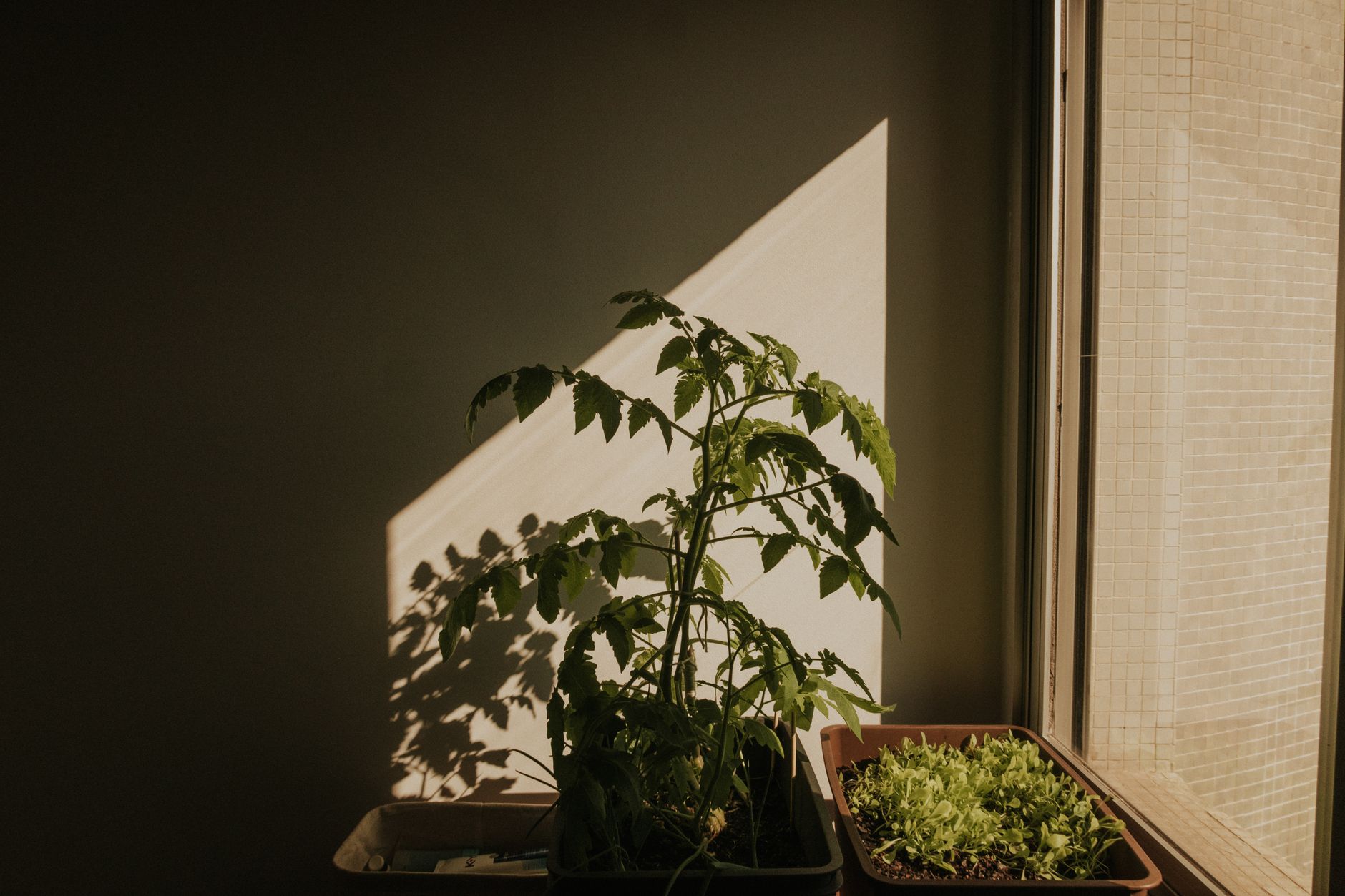
A small indoor lettuce tower is one of the most quietly satisfying things you can have in a living room. A compact hydroponic or wicking-based setup, sitting on a side table, producing a continuous cycle of salad leaves week after week, makes the kitchen feel a little more rooted. It also produces real food, often more than you expect.
This guide describes the setups we have tried, the trade-offs, and the one configuration we have settled on as our favourite for everyday use.
Why lettuce specifically
Lettuce is the perfect indoor crop. It is fast (4-5 weeks from sowing to mature plant), tolerates moderate light, does not flower in a way that triggers neighbours, and produces high yields per area. It also forgives mistakes.
Three tower options we have tried
Vertical hydroponic tower (Kratky-based)
Stacked planting pockets, central reservoir, no pump. Beautiful and quiet. Refill water every 7-10 days.
Active recirculating tower
Pump pushes water up the tower; gravity pulls it back. More productive but the pump hums quietly.
Wicking shelf tower
Soil-based, three shelves tall, with wicks dipping into a reservoir. No electricity, no nutrients to mix. Slower growth but less maintenance.
What we settled on
After three different setups, our living-room tower is a 12-pocket Kratky-style hydroponic tower, 1 m tall, with a 15 litre reservoir, lit by a 40W LED fixture on a 14-hour timer. Once a week we top up the water and adjust pH. Once a month we replace the nutrient solution fully.
Total cost was $180 including lights. It produces 6-8 heads of lettuce, varying types, on a continuous rolling harvest.
A workflow that keeps it productive
- Sow 4-6 lettuce seeds weekly in starter cubes on a small tray.
- Once seedlings have 2 true leaves (day 10-14), transfer to the tower.
- Harvest mature heads every 3-5 days.
- Refill empty pockets with new seedlings on rotation.
- Top up water weekly, full reservoir change monthly.
After a few months you have a stable rotation; lettuce is always at every stage.
Common mistakes
- Overcrowding: lettuce needs space. 12 pockets is fine for romaine or butterhead; 18 is too many.
- Skipping pH checks: lettuce becomes bitter in incorrect pH.
- Letting the reservoir run dry: roots fail quickly.
- Reusing nutrient solution beyond a month: salts build up.
Aesthetic notes
An indoor tower needs to look like part of the room, not a science experiment. Choose a base colour that matches the room (most are white or grey). Hide the reservoir behind decorative cover or in a console table.
Further reading
Two authoritative resources we recommend if you want to go deeper on this topic:
Frequently asked questions