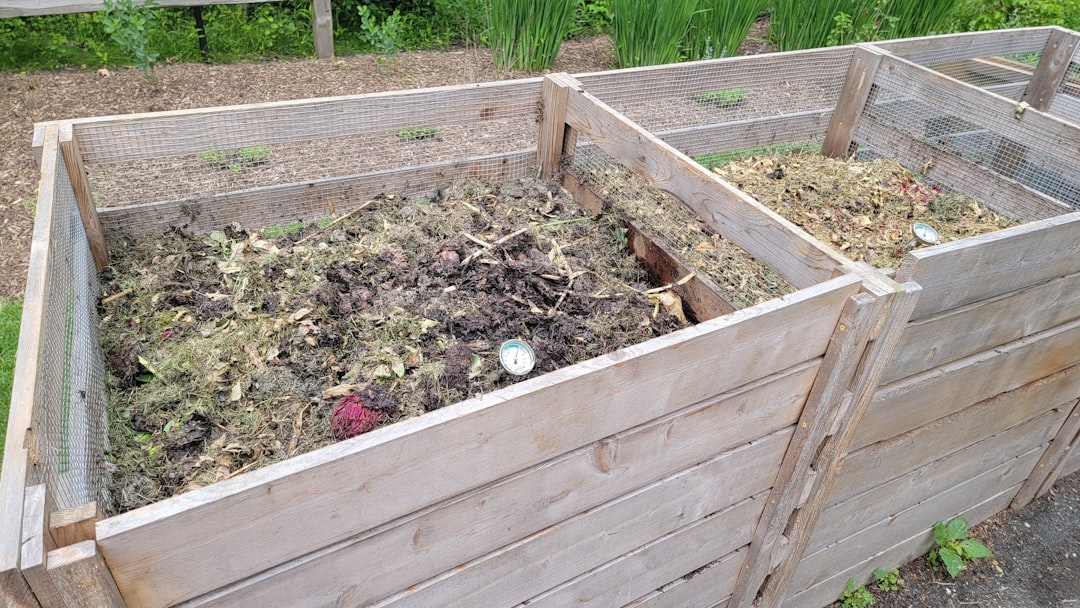
A compost heap’s smell is its most direct conversation with you. A healthy compost heap smells faintly of forest floor. An unhealthy one tells you exactly what is wrong, if you know how to read it. Most beginners panic when their compost smells off and either abandon it or kill the biology with bleach. Both are unnecessary.
This guide is a small reference to what each compost smell actually means and the calm fixes that solve them.
A healthy compost smell
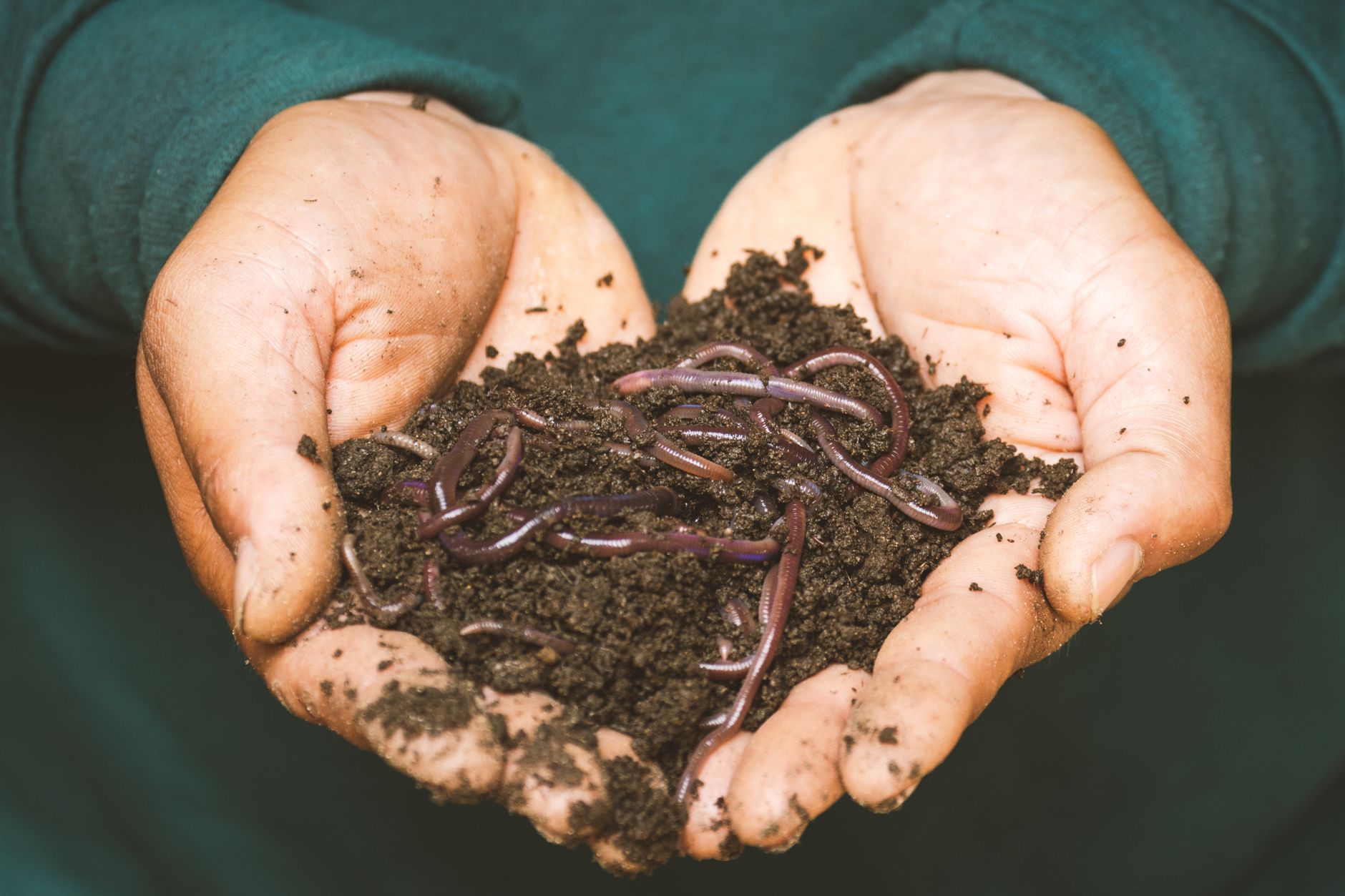
Earthy, mushroom-like, slightly sweet. Like a forest floor after rain. This is what you want. The smell often gets stronger when you stir the pile, then fades after a few minutes.
Sour, sulphurous smell
Like rotten eggs or stagnant pond water. Means the heap has gone anaerobic, usually because:
- Too much green material (kitchen scraps, grass clippings).
- Heap is waterlogged.
- Contents are compacted and air is not reaching them.
Fix: Add brown material (cardboard, dry leaves, shredded paper). Turn the heap to aerate. Within a week the smell shifts toward earthy.
Ammonia smell
Sharp, headache-inducing, like a public restroom. Means too much nitrogen.
- Too many fresh grass clippings in one go.
- Too much fresh manure.
- Insufficient carbon (brown) material.
Fix: Add a generous layer of cardboard or shredded paper. Turn to mix. The ammonia smell often clears within 48 hours.
Sweet, sickly smell
Almost fruity, slightly cloying. Means alcohol fermentation, usually too much fruit or sugary food.
Fix: Mix in brown material, turn, give time. Add fewer fruit scraps for a few weeks.
Putrid smell
Genuinely rotten, like spoiled meat. Means inappropriate items in the heap.
- Meat, fish, dairy added when they should not have been.
- Oils or fats.
- Pet waste.
Fix: Remove offending material if you can identify it. Cover the surface with a thick layer of cardboard. Heap will recover within 2-3 weeks if no more offending material added.
No smell at all
Surprisingly, this can mean trouble. A compost heap that smells of nothing is biologically inactive.
- Too dry (decomposition stalls).
- Too cold (biological activity has paused).
- Heap is mostly woody material that breaks down slowly.
Fix: Water lightly if dry. Wait for warmer weather. Add some green material to boost biology.
A simple troubleshooting flow
- Smell the heap.
- Identify smell type from the categories above.
- Apply the matching fix.
- Wait one week.
- Recheck. If smell persists, repeat or escalate.
The smell of healthy maturity
Finished compost smells barely at all. Faintly earthy. If you have to lean in to smell anything, the compost is mature and ready to use.
Further reading
Two authoritative resources we recommend if you want to go deeper on this topic:
Frequently asked questions