Soil pH affects what plants can pull from the soil more than the actual nutrient content does. A bed at the wrong pH can be full of nutrients that plants cannot access. The good news is that you do not need a laboratory to get a reasonable read on your soil’s pH, and small adjustments are usually all that backyard gardens need.
This guide walks through testing pH using cheap home methods, what the readings actually mean, and how to adjust gently rather than dramatically.
What pH means in practice
Soil pH is a scale from 0 to 14. Below 7 is acidic, above 7 alkaline, 7 is neutral. Most vegetables grow well between 6.0 and 7.0. Below 5.5, certain nutrients lock up; above 7.5, others become unavailable. Both extremes cause sickly plants.
Cheap home testing methods
pH strip test (most accurate cheap option)
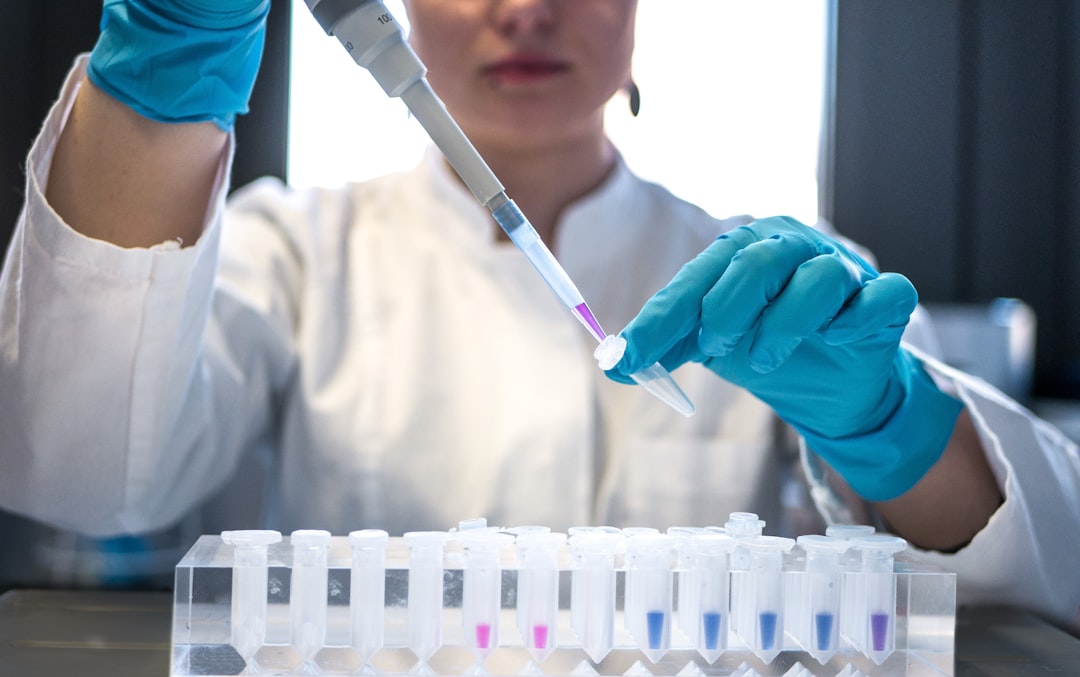
Pack of test strips, $10. Mix a sample of soil with distilled water, let settle, dip strip. Match colour to chart. Accurate within 0.5 pH unit.
Probe tester ($15-$25)
Stick probe directly into damp soil. Read needle or digital display. Reasonable accuracy if you keep the probe clean.
Cabbage water indicator (kitchen science)
Boil red cabbage, save the purple water. Mix with a sample of soil. Acidic soil turns it pink; alkaline turns it green or blue. Crude but free.
Reading the result
- 4.5-5.5: Very acidic. Few vegetables grow well. Suits blueberries, rhododendrons.
- 5.5-6.5: Slightly acidic. Suits potatoes, tomatoes, most berries.
- 6.5-7.0: Ideal range for most vegetables.
- 7.0-7.5: Slightly alkaline. Suits brassicas, asparagus.
- Above 7.5: Many vegetables struggle. Suits Mediterranean herbs only.
How to raise pH (make less acidic)
- Garden lime (calcium carbonate): add slowly, 50-100 g per square metre.
- Wood ash: gentle alkaline boost, occasional small additions.
- Crushed eggshells (very slow).
Apply in autumn or winter, water in, wait at least 6 weeks before retesting.
How to lower pH (make more acidic)
- Elemental sulphur: most effective, slow-acting.
- Sphagnum peat (sustainability concerns).
- Aluminium sulphate (faster but harsher).
- Composted oak leaves and pine needles (very slow).
Use sparingly. Over-acidification is harder to correct than over-alkalisation.
Most home gardens are slightly acidic
Rainwater is slightly acidic, and most decomposing organic matter releases acids. Over time, garden soils tend toward acidic unless actively limed. A small lime application every 3-4 years keeps vegetable beds in the ideal range.
When pH is not the problem
Sickly plants often suggest pH issues to anxious gardeners, but pH is usually one of several factors. Check first:
- Watering pattern (too much or too little).
- Sun exposure (less than the plant needs).
- Drainage (water pooling).
- Disease (visible signs on leaves).
If those check out and the problem persists, then pH testing makes sense.
Further reading
Two authoritative resources we recommend if you want to go deeper on this topic:
Frequently asked questions