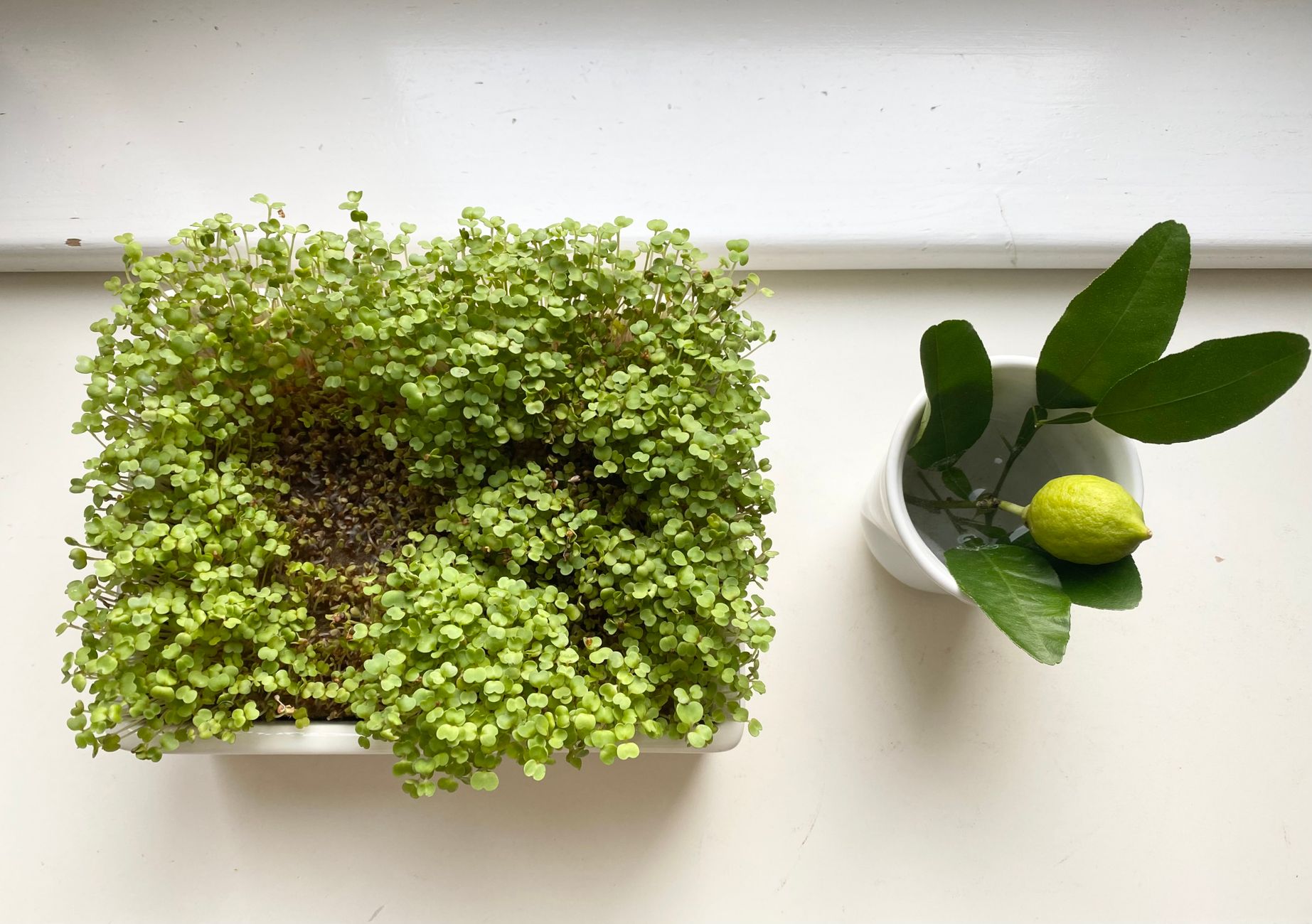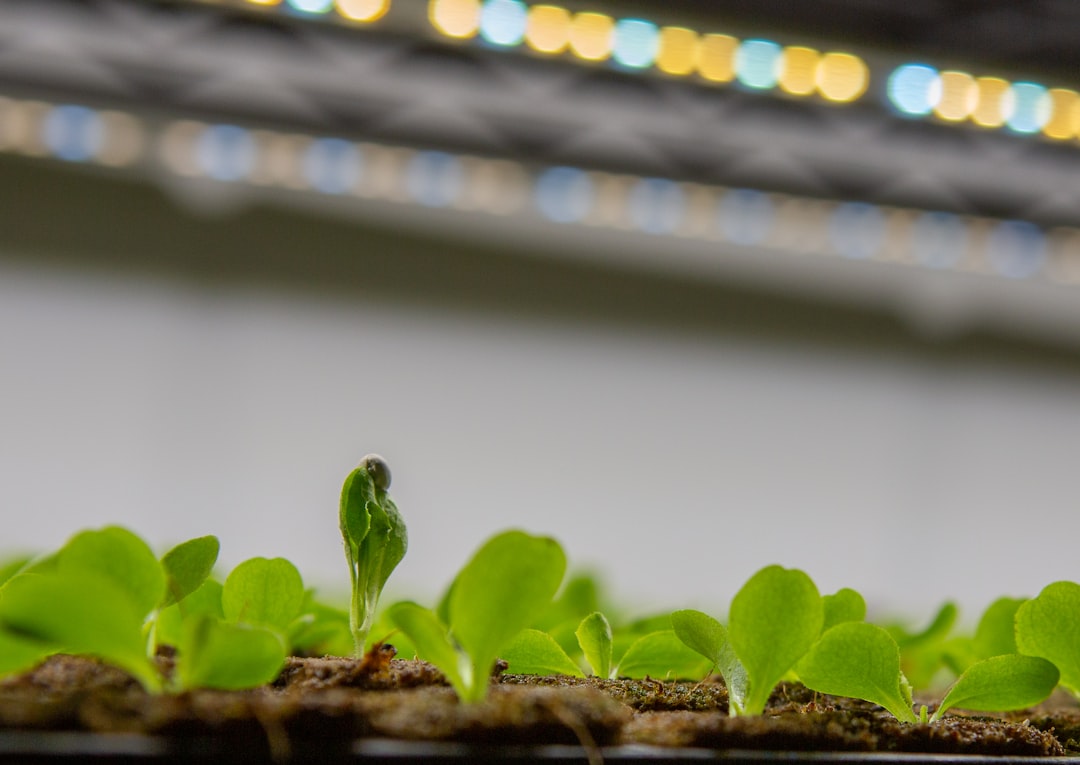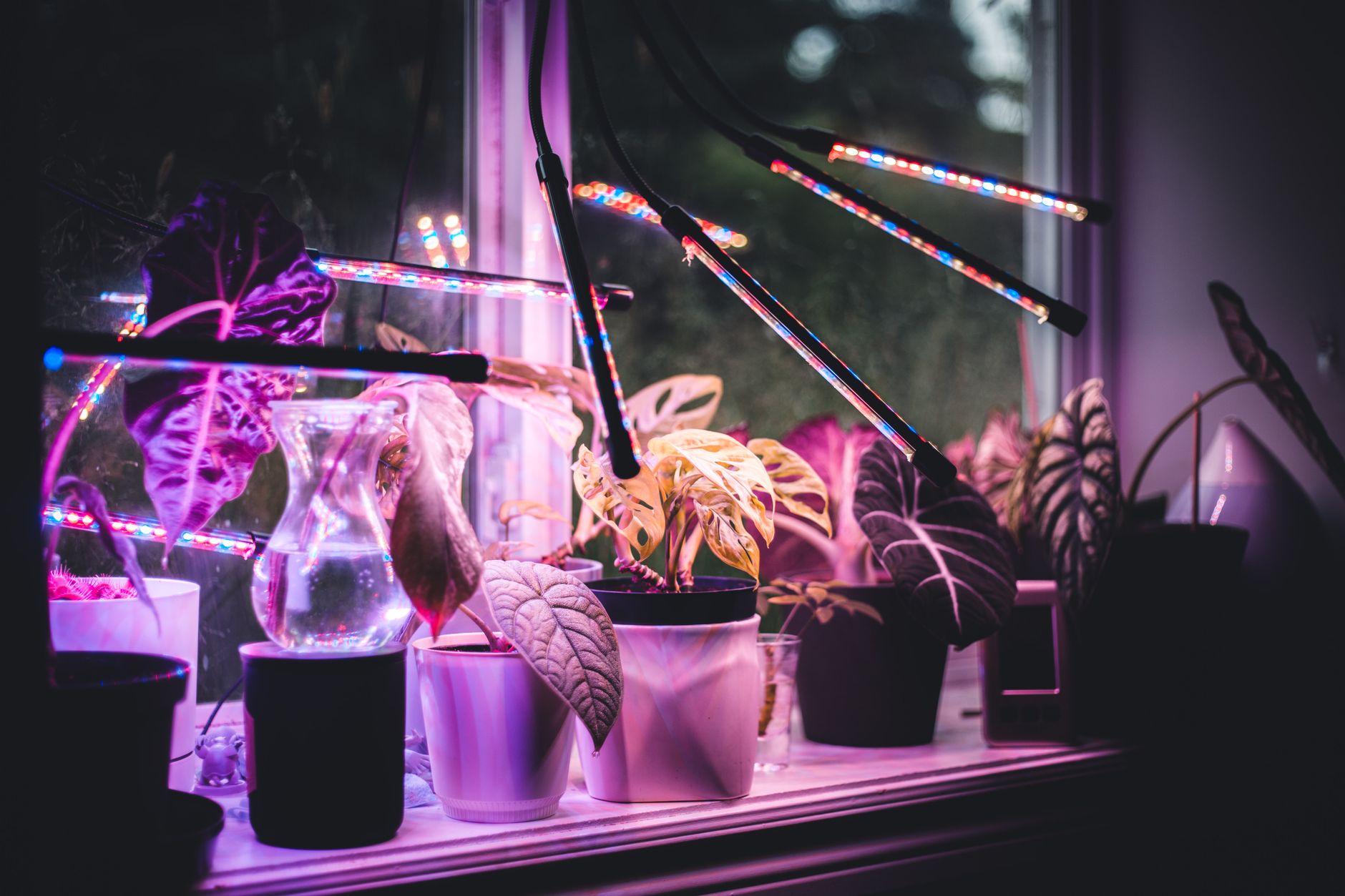
Sunlit windows produce a respectable amount of food when conditions are right and disappoint badly when they are not. LED grow lights consume electricity but provide consistent output regardless of weather or season. The two approaches genuinely complement each other. The right answer is rarely either alone.
This guide compares them honestly, including the cases where window light wins decisively and the cases where it cannot keep up.
When window light wins
- Spring to early autumn in temperate climates.
- South-facing window with 4+ hours of direct sun.
- Crops that prefer slightly less light (mint, parsley, lettuce).
- Low-effort growers who do not want extra equipment.
- Zero ongoing electricity cost.
When window light falls short
- Winter, when light hours drop below 8 a day.
- North-facing windows.
- Heavily overcast climates (Pacific Northwest, UK winter).
- Fruiting crops needing high light (tomatoes, peppers).
- Tall apartment buildings with shaded windows.
When LED grow lights win
- Reliable year-round output.
- Adjustable intensity and spectrum.
- Can be placed anywhere in the home, not just windows.
- Predictable for serious indoor production.
Practical hybrid setups
Most successful indoor growers we know use both. A typical setup:
- Window herbs from April to October, with no supplemental light.
- Move herbs under a small LED grow light from November to March.
- Microgreens always under LED for year-round consistency.
- Seedlings under LED in spring even when window light is improving.
A simple test for your window
If you can read a paperback comfortably 30 cm from the window, the light is plant-usable. If it takes effort, supplemental lighting will help dramatically.
Cost over a year
- Window-only: $0 ongoing.
- Hybrid setup (LED Nov-Mar): $5-$10 in electricity per growing season.
- LED-only year-round: $20-$30 in electricity, plus $80-$200 upfront for fixtures.
A small honest reflection
If you have a genuinely sunny window and you live in a climate with strong summer light, the window will give you 80% of the productivity of a basic LED setup at zero electricity cost. If your window is mediocre, no amount of careful positioning will substitute for supplemental light. Be honest about your window first.
Further reading
Two authoritative resources we recommend if you want to go deeper on this topic:
Frequently asked questions