Self-sufficiency is a word that carries weight. Some imagine an isolated cabin and a generator; others imagine performative homesteading on social media. The most useful version sits between those extremes. It is the slow, calm process of becoming a little less dependent on systems you have no control over, one quiet decision at a time.
This guide is a reflection on what we mean by self-sufficiency, and the realistic path most households can take toward it without becoming a project or a brand.
A working definition
Self-sufficiency, as we use it, is not about producing all your own food, water and energy. It is about reducing dependence on fragile systems while keeping a normal life. Some things you cannot reasonably make: medications, electronics, cars. Others you can do gradually: food, repair skills, energy efficiency, social network.
Where to start
- Cook a meal from scratch each week.
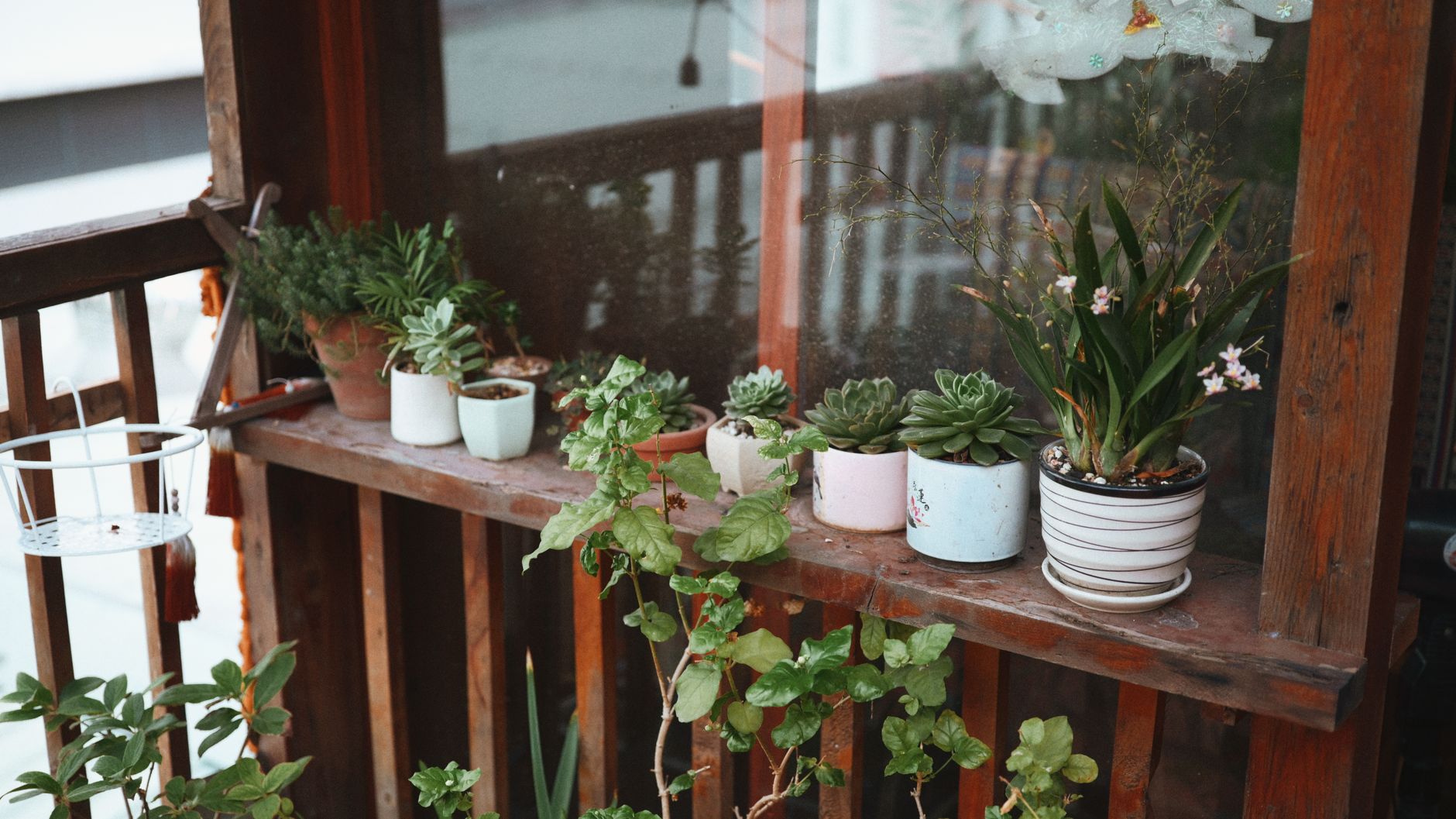
- Grow a few herbs you use regularly.
- Fix one broken thing in your home each month.
- Learn one practical skill (bread baking, repair, preserving) each year.
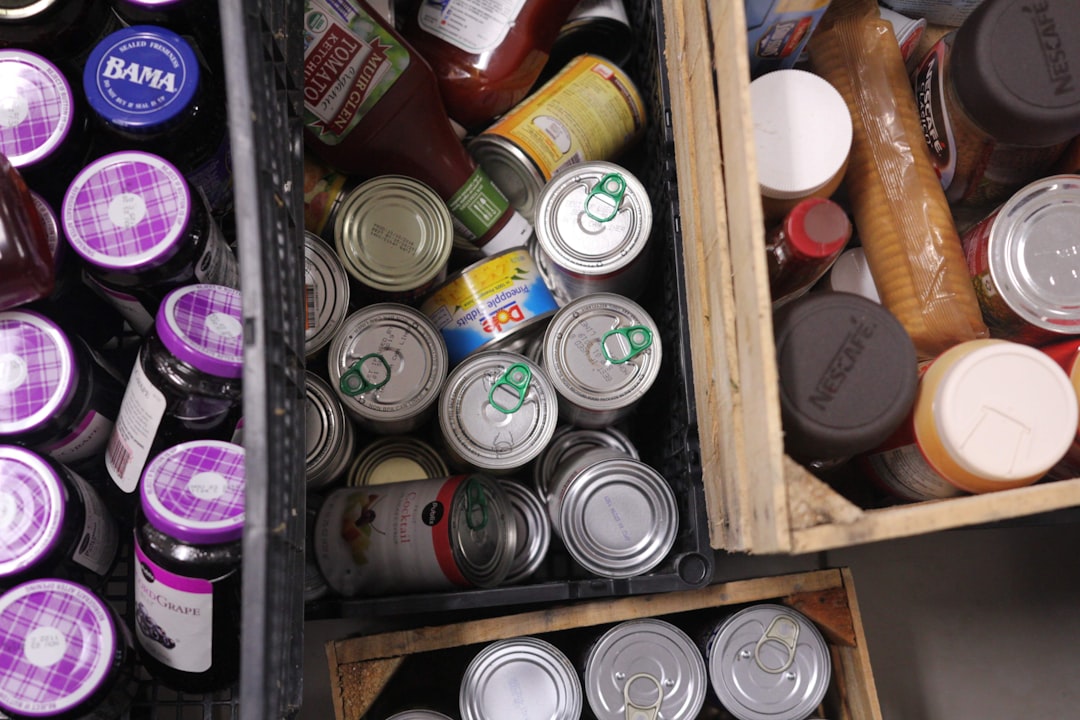
- Build a small emergency stock of food and water.
The skills worth building
- Cooking from raw ingredients.
- Basic repair (sewing, woodworking, plumbing).
- Garden production at any scale.
- Preservation (canning, freezing, drying).
- First aid.
- Knowing your neighbours.
The stockpile question
A reasonable buffer is sensible. Two weeks of basic food and water keeps a household comfortable through short disruptions. Beyond a month of supplies, the energy of maintaining and rotating the stockpile may exceed its value.
What we have stopped pursuing
- Total food independence (impractical for most households).
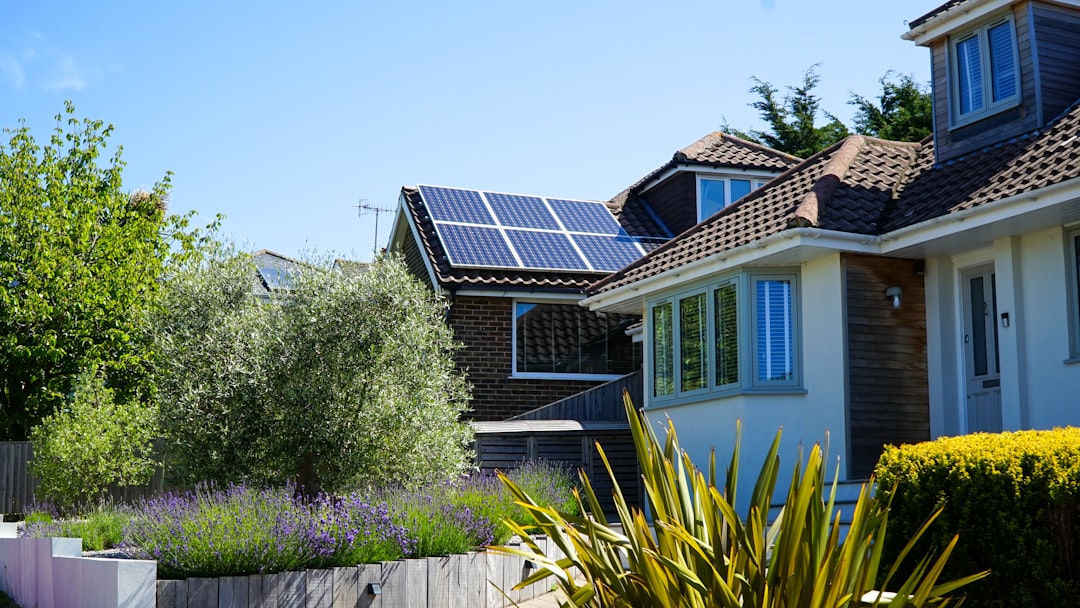
- Off-grid living (only sensible if remote).
- Hoarding of any specific item.
- Survival fantasy thinking.
- Performative self-sufficiency on social media.
What we have come to value
- Repair-before-replace as a default.
- Cooking as a daily practice.
- Gardening at sensible scale.
- Knowing how to do small things rather than buying solutions.
- Friendships with people who have different practical skills.
- Quiet, gradual change rather than dramatic transformation.
The long view
Across a decade of slow practice, a household becomes meaningfully more self-reliant. Most meals are home-cooked. Many of the vegetables come from the yard. Small repairs happen at home. Neighbours know each other and lend tools. None of this is dramatic; all of it is real.
Where it sits in a normal life
Self-sufficiency does not require leaving your job, growing a beard, or relocating to a rural property. It happens at the kitchen counter, in the small garden, in the workshop corner of the shed. It coexists peacefully with modern life.
Further reading
Two authoritative resources we recommend if you want to go deeper on this topic:
Frequently asked questions