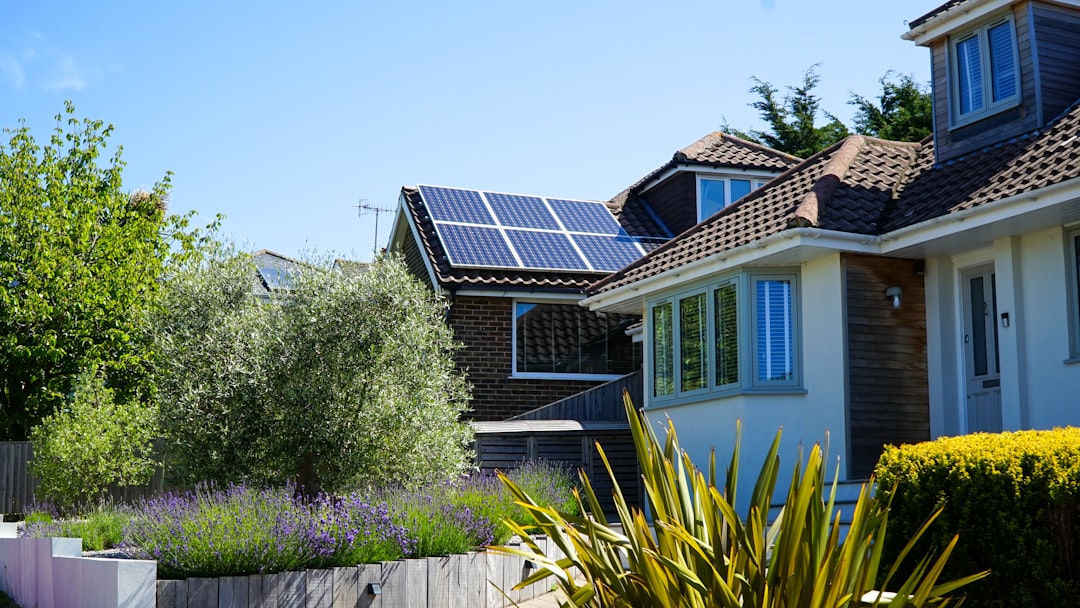
Solar power for a small home is sold as either a full off-grid revolution or a token gesture. The reality, like most things, sits in the middle. Modest solar setups produce real value, particularly for charging devices and running small appliances. They do not replace the grid for a typical household.
This guide is for the curious person considering small home solar. It walks through what is realistic, what to expect, and where the math actually works.
What small solar can realistically power
- Phone and tablet charging.
- LED lighting.
- Laptop work (using a small inverter).
- Small electronics.
- Garden water pump (small).
- Specific outbuildings (sheds, garden offices).
What it does not realistically power
- Electric heating or cooling.
- Electric cooking.
- Hot water heating (without dedicated solar thermal).
- Whole-house electricity needs.
- Heavy power tools sustained use.
Three scales of solar
Portable (100-200W)
Folding panel and small power station. $300-$700. Useful for camping, garden offices, emergency backup.
Modest off-grid (400-1000W)
Permanent panel(s), charge controller, battery bank, inverter. $1500-$3500. Powers a small outbuilding or part of a home.
Grid-tied home system (3000W+)
Roof-mounted, professionally installed, feeds back to grid. $15,000-$30,000. Pays back in 7-15 years depending on incentives.
The honest math
Average home electricity use: 10-30 kWh per day.
A 1000W solar panel system in good conditions: 4-6 kWh per day.
Battery storage adds significant cost without adding production.
Solar reduces grid usage rather than eliminating it. Hybrid is the realistic outcome.
When solar makes sense
- Property is in a sunny climate.
- Energy prices are high.
- Government incentives reduce installation cost.
- Outbuilding or remote site needs power but mains is expensive to run.
- Need backup during outages.
When solar does not pay back
- Heavily shaded property.
- Climate with long dark winters.
- Low energy prices.
- No applicable incentives.
- Roof orientation is wrong.
A small-scale practical setup
Our own setup: one 200W panel on the shed roof, MPPT charge controller, 100Ah lithium battery, 600W inverter. Powers the shed, charges devices, runs a fridge for short outages. Total cost about $1200. Pays back in roughly 4-5 years on the small daily savings, and has paid for itself once during a multi-day power outage already.
A note on solar thermal
Solar thermal (solar water heating) is a different technology and often more practical than solar PV for hot water. Cheaper, more efficient, and pays back faster.
Further reading
Two authoritative resources we recommend if you want to go deeper on this topic:
Frequently asked questions