West-facing balconies have a specific summer problem. The morning is cool. The middle of the day is bright but tolerable. And then between about 15:00 and 18:00, the sun crosses the balcony at a low angle, hits every pot and railing directly, and drives surface temperatures up by ten to fifteen degrees above ambient. On a 30 C afternoon in July, a black plastic pot facing due west can hit 55 C on its outside surface. The roots inside a pot at that temperature are being cooked, slowly.
You cannot change the aspect of the balcony. What you can change is three things: what the sun hits, what the pot is made of, and when you water. Get those three right and a west-facing balcony grows food from May through September without daily crop loss. Get them wrong and you spend the summer watering twice a day and losing plants anyway.
Understand your specific afternoon window
Before you buy any shade cloth, measure. On a sunny afternoon in June or July, note the exact times the sun first hits the balcony floor and the exact time it disappears behind whatever structure blocks it. On most west-facing balconies in temperate latitudes, the direct sun window is about three to four hours from mid-afternoon into evening.
Those three to four hours are the entire problem. Everything before is fine; everything after is fine. Solving the problem means intervening in that specific window and leaving the rest of the day untouched.
Shading strategy: partial, not full
The instinct is to install permanent shade cloth over the whole balcony. Do not do this. Plants still need light in the morning and midday. What you want is something that shades the direct afternoon sun while leaving morning and midday sun intact.
Two working approaches:
- Retractable side awning. A vertical awning that pulls out from the balcony’s inner wall or ceiling and hangs at 45 degrees during the afternoon sun window. Retracted the rest of the day. Costs £60-£150 for a residential model, installs in an afternoon with wall plugs.
- Mesh shade cloth (30 to 50 percent) on the railing side only. A 1 m by 1.5 m panel of 30-40 percent mesh shade cloth, cable-tied to the balcony railing on the sun-facing side. Blocks the low afternoon sun without darkening the whole balcony. £10-£20. Can be untied and stored in autumn.
Avoid heavy cloth over 50 percent shade rating; you lose morning light too. Avoid rigid panels that block ventilation and trap heat.
Container choice for west-facing heat
Container material matters more on a hot west-facing balcony than any other exposure. The pot walls absorb direct sun and heat the root zone. Three container choices that matter:
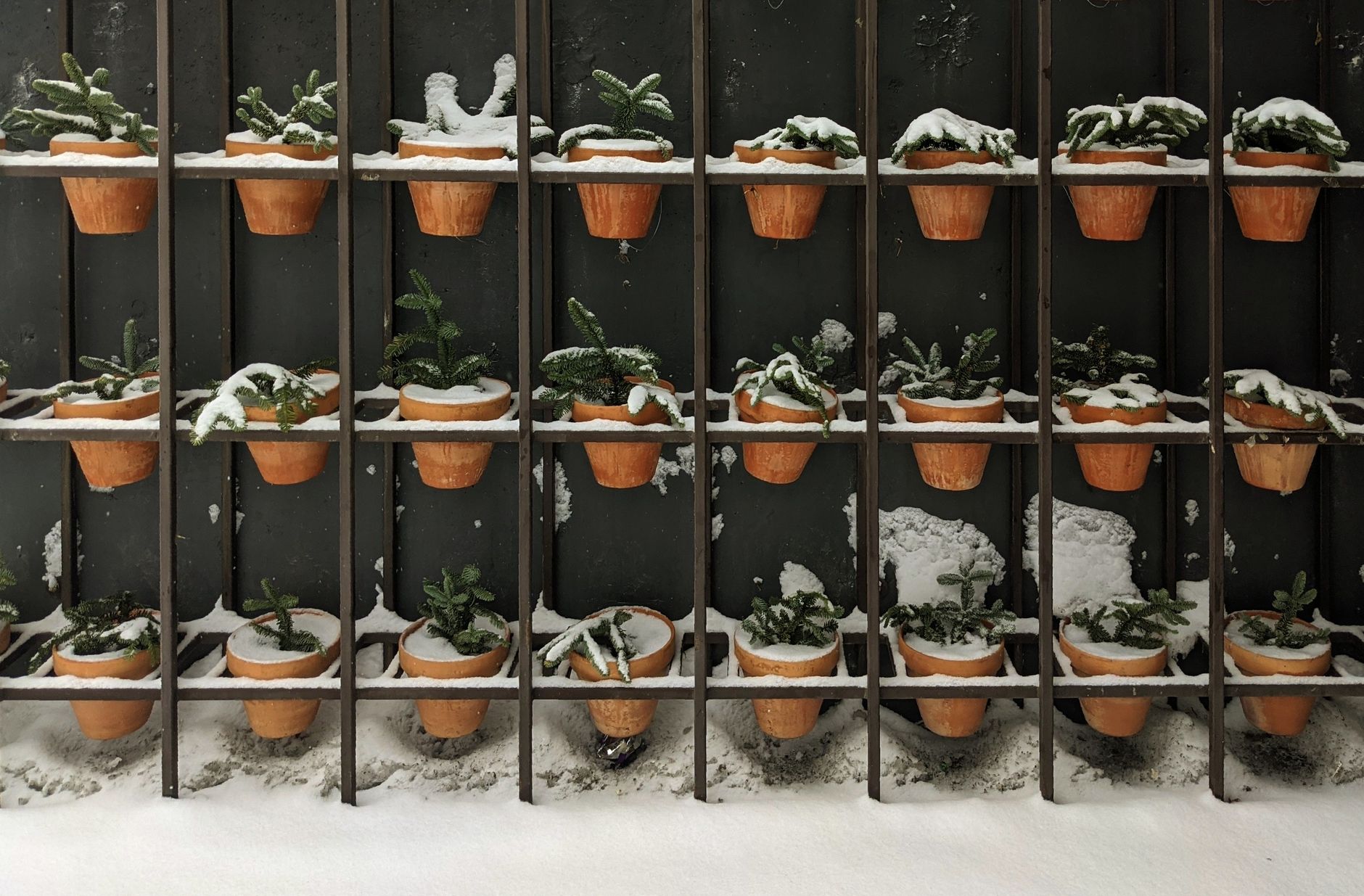
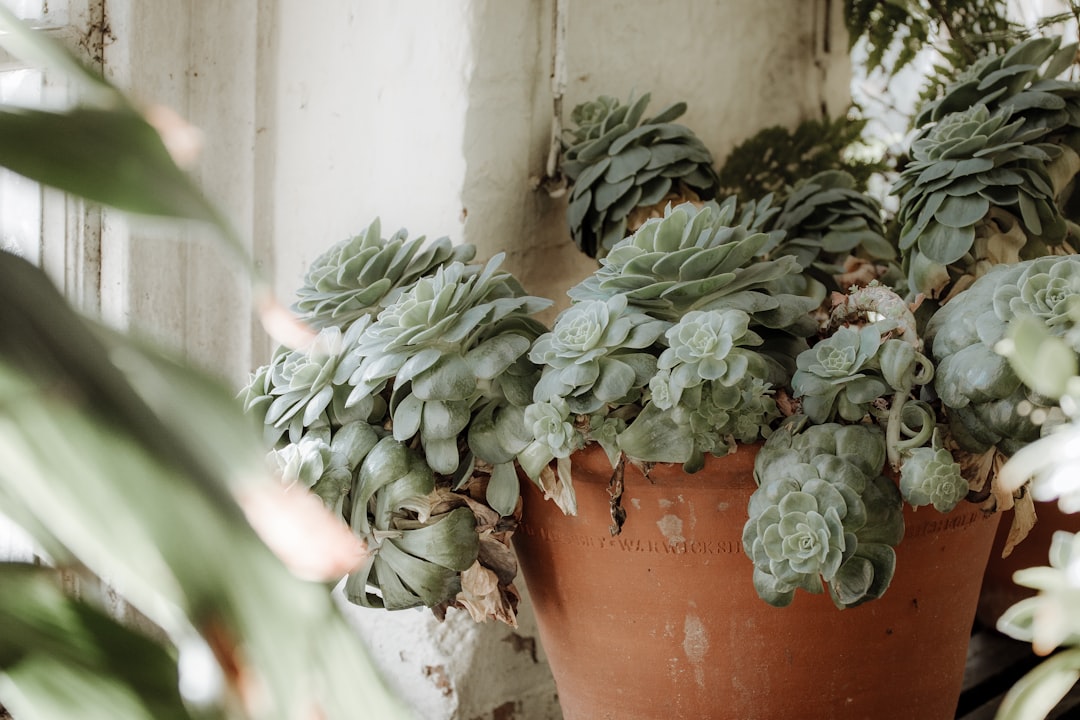
- Terracotta (unglazed clay). Best default for hot balconies. The porous walls evaporate moisture, which cools the root zone by up to 5 C compared to plastic. Downside: dries out faster, needs slightly more frequent watering, and can crack in frost if left out over winter.
- Light-coloured glazed ceramic or fibreglass. A cream, light-blue, or white glaze reflects sun rather than absorbing it. Doubles the cost of a plain terracotta pot but lasts longer and looks tidier.
- Wood (untreated cedar, oak). Insulates the roots naturally. Excellent for west exposures. Expect 4-6 seasons of life on outdoor wood before it needs replacing.
Avoid: black plastic (absorbs the most heat), thin metal (heats fastest, transfers directly to roots), and glass fibre in dark colours (looks stylish, cooks plants). If you have inherited a set of dark plastic pots, wrap them in a light-coloured cloth or paint the outside white; it looks unfussy and works.
Watering timing: the single biggest lever
Watering at 7 AM is far more effective on a west-facing balcony than watering at 6 PM. Here is why: morning watering fills the container’s water reserves before the afternoon heat begins, cools the compost via evaporation for hours, and gives leaves time to be fully turgid when heat stress arrives. Evening watering hydrates but does not cool during the stress window.
The best pattern we have found for west-facing balconies in high summer:
- Main watering: 06:30-07:30 AM. Water deeply, until water runs out the drainage hole.
- Top-up (only in extreme heat >32 C): 15:00. A light top-up (half the morning volume) to any pot that has visibly dried, right before the direct sun window. This is the “insurance” water.
Never water at midday on a hot day; the compost is too warm to absorb the water efficiently and you waste water. Never water in the evening on cool nights; the wet compost overnight promotes fungal problems.
Plant choice: what actually thrives
West-facing sun and heat in the afternoon are ideal for Mediterranean-type crops that appreciate a long, hot afternoon:
- Tomatoes (especially bush varieties in large pots),
- Peppers (bell and chilli both),
- Aubergines (in the largest pots you can spare),
- Rosemary, thyme, oregano, sage,
- Chard (surprisingly heat-tolerant),
- Beans (bush, not climbing on the sunny side),
- Marigolds and calendula for beneficial insects.
Struggle on a west-facing summer balcony: lettuce, spinach, coriander, mint (unless shaded specifically), pak choi. All of these bolt fast in afternoon heat. Grow them in cooler months (April-June, September-November) instead.
The signs your plants are cooking
Learn these three:
- Late-afternoon wilt that recovers by morning. Mild heat stress; increase morning watering by 20 percent and check whether afternoon shade would help.
- Leaves with pale, papery edges going brown. Root damage from container overheating. Move to a lighter container or add shade cloth immediately.
- Sudden collapse of the whole plant in mid-afternoon. Severe root cook. Rescue by moving the pot to shade for 48 hours, watering deeply, and hoping. Some recover; some do not.
Aphids and spider mites both thrive on stressed plants; a west-facing balcony pest problem is usually a heat problem in disguise.
Further reading
Two authoritative resources we recommend if you want to go deeper on this topic:
Frequently asked questions