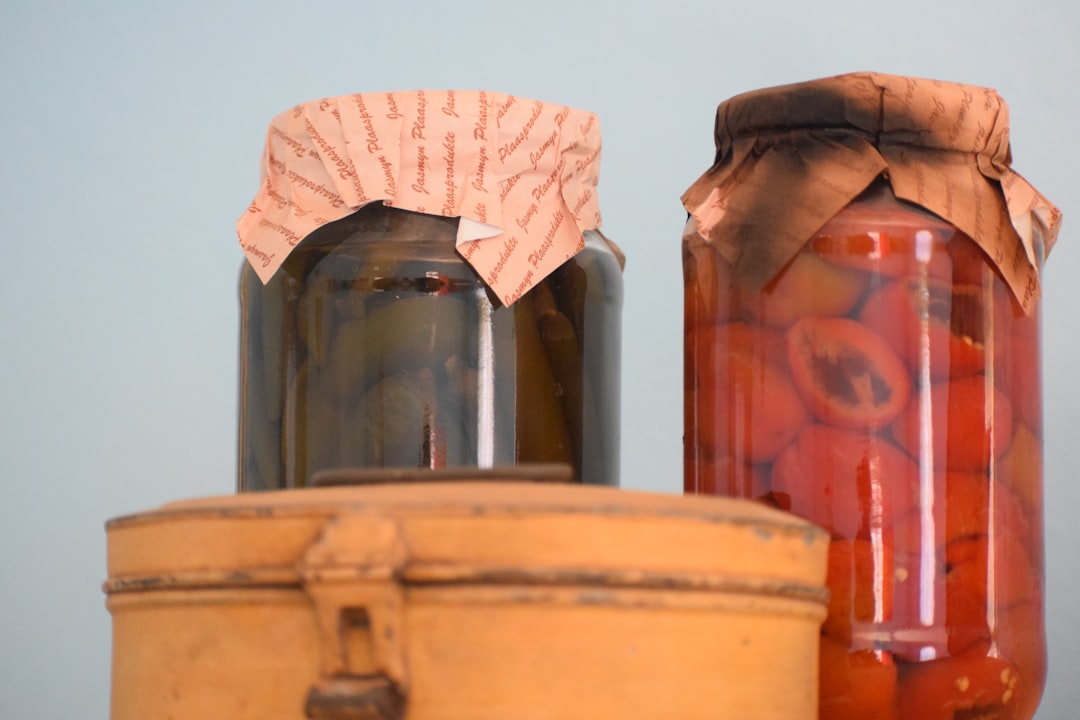
Sustainable swaps are often presented as moral upgrades: beeswax wraps instead of plastic, mason jars instead of containers, wooden brushes instead of plastic ones. The reality is that some swaps genuinely make a difference, others are aesthetic, and a few are more wasteful than what they replace.
This guide is an honest look at the swaps we have made in our own kitchen over the years, which ones lasted, and which ones we abandoned.
Swaps that genuinely work
Glass containers for plastic
Lasts a working lifetime. Easier to clean. No staining. Worth every cent.
Beeswax wraps for cling film
Work well for cheese, bread, half-cut vegetables. Last 6-12 months with care. Worth doing.
Cloth napkins for paper
A pile of cotton napkins washed with the regular laundry. Roughly half the cost of paper over a year.
Refillable bottles for sauces, condiments
Bulk store refills mean far less packaging. Slight inconvenience.
Wooden spoons and stirrers
Last decades, age beautifully, do not scratch pans.
Swaps we abandoned
Reusable paper towels
Cotton squares to replace paper towels. Sounds great. In practice the washing volume and energy use makes them less sustainable than well-managed paper.
Bamboo cutlery for travel
Bought once, used a few times, forgot to take. Returned to dropping a regular fork in the bag.
Specialty silicone food storage
Looked good but never actually replaced our glass containers in practice.
Swaps we are still on the fence about
Bar shampoo and conditioner
Work well for most hair. Some people find them drying. Try before committing.
Bidets
Use 80% less toilet paper. Major lifestyle change. We added one and like it.
Wooden dish brushes
Replace plastic eventually. Replace heads every few months. Slight inconvenience for incremental improvement.
The principle that holds
A reusable item is only better than disposable if you use it long enough to amortise its production cost. A cotton tote bag uses more resources to make than a plastic bag uses across hundreds of uses. Used twice, the tote is worse. Used 200 times, it’s better.
Where we have stopped swapping
Some items in our home are deliberately not sustainable swaps. Plastic toothbrushes. Disposable razor blades. Some plastic containers. The energy required to swap them is higher than the modest improvement they would represent. We focus our energy on bigger gains.
Time horizon matters
Some swaps pay off in months (cloth napkins). Some take years (a quality stainless steel water bottle). Some never pay off because the use volume is too low (specialty bamboo travel cutlery for someone who rarely eats out).
Further reading
Two authoritative resources we recommend if you want to go deeper on this topic:
Frequently asked questions