A productive garden produces more food than the gardener anticipated, often in a short window. The first ripe tomato is a delight. The 40th ripe tomato of the week is a small problem. Without a plan for using the harvest, much of it spoils or gets given away in volumes that nobody quite knows what to do with.
This guide walks through the small habits that turn a garden’s output into eaten food rather than compost. Simple cooking, basic preserving, and the kitchen rhythm that supports both.
Harvest matched to use
The first principle: do not harvest more than you will use in the next 2-3 days. A few tomatoes today, more tomorrow, more the day after. This works for crops that keep producing (tomatoes, beans, courgettes, lettuce).
For crops that ripen all at once (most root vegetables, garlic, fruit), the harvest happens together and must be processed.
Have a default recipe for each main crop
When a glut arrives, having a single trusted recipe means you can move quickly.
- Tomatoes: simple roasted tomato sauce.
- Courgettes: courgette ribbons with garlic and lemon.
- Beans: blanched and frozen, or simple beans on toast.
- Cucumbers: simple fridge pickles.
- Berries: pancakes for breakfast, simple jam later.
- Apples: chunks for cooking with porridge or roast pork.
Preserve in small batches
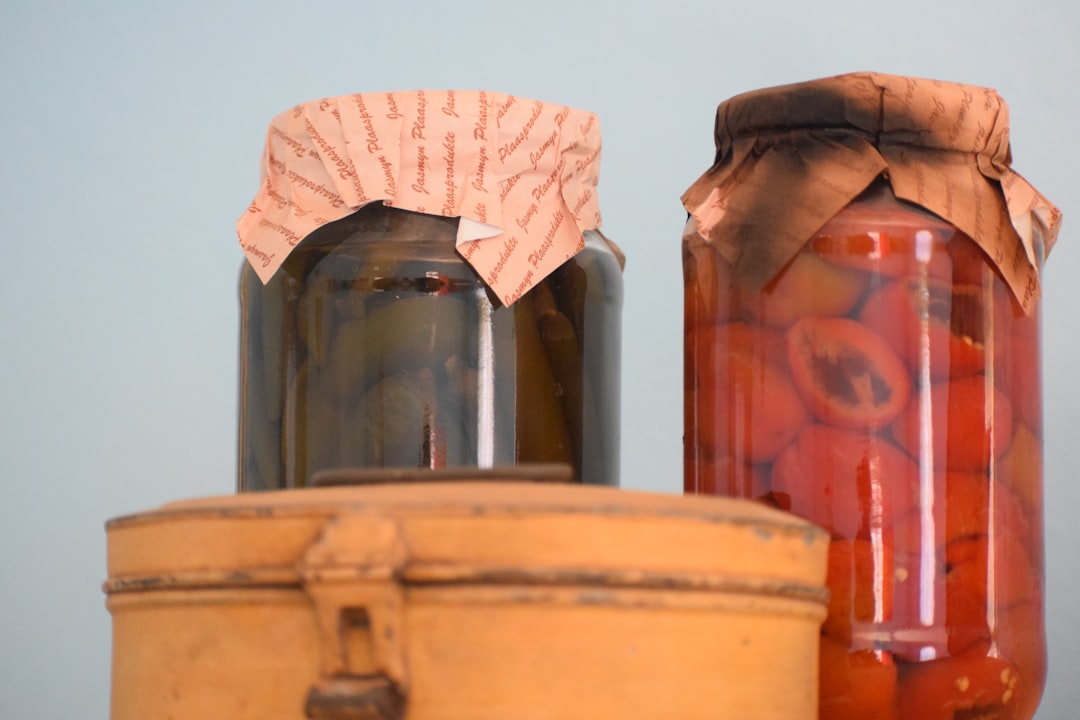
Marathon preserving sessions burn people out by year three. A small batch a week is more sustainable. Two kilos of tomatoes into sauce on a Sunday afternoon. A jar of jam from a punnet of strawberries on a Wednesday evening.
Eat seasonally
The simplest waste reduction: build meals around what is ripe right now. A garden produces in patterns; cook in those patterns. Tomato season is tomato season; do not save them.
Give some away thoughtfully
A small basket of fresh produce given to neighbours is welcome. A large bag of zucchini at the door starts to feel like a problem dumped on someone else. Ask first, gift small amounts.
Use what would otherwise spoil
End-of-week vegetable soup. Bread pudding from stale bread. Smoothies from overripe fruit. These simple techniques absorb whatever is on the edge of waste and produce real food.
Composting the rest
Despite best efforts, some produce will not get eaten in time. Compost it. The nutrients return to the garden and the loop closes. This is not failure; it is part of the system.
A realistic year of garden eating
A small productive garden produces a 10-15% increase in vegetable variety on your plates across the year. Some weeks dominated by one crop (the tomato week, the courgette week). Quiet weeks in deep winter where you eat what you preserved.
Further reading
Two authoritative resources we recommend if you want to go deeper on this topic:
Frequently asked questions