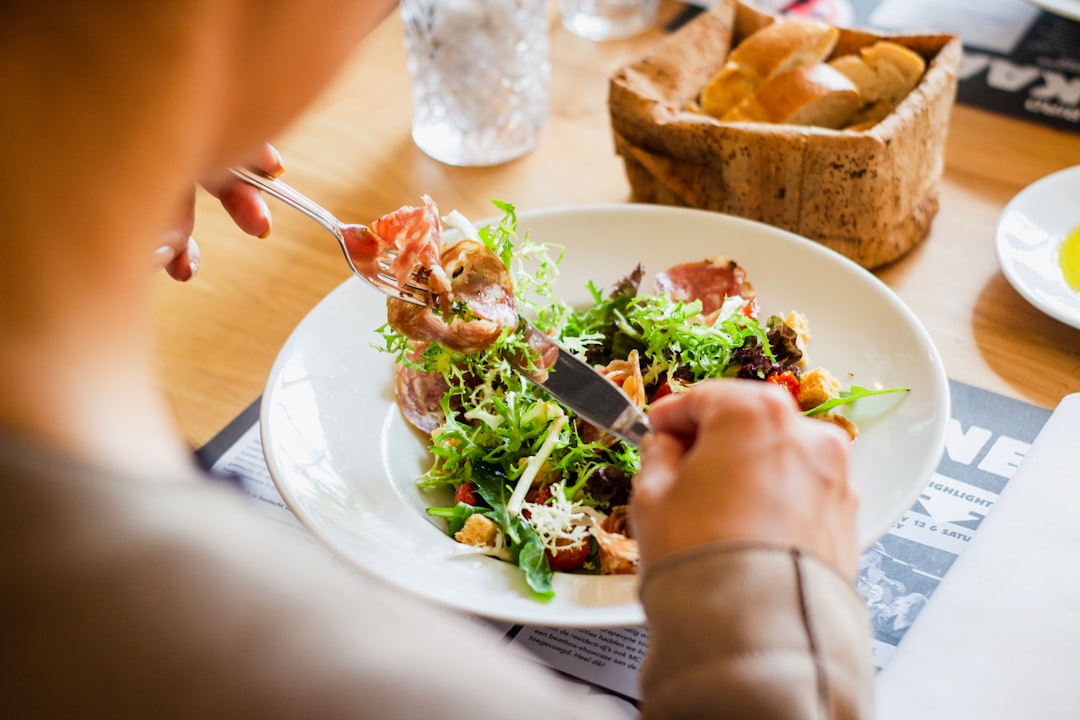
Eating seasonally is one of those slow practices that sounds simple and turns out to be a learned skill. Modern grocery stores stock most things most of the year, which makes the act of choosing seasonally a deliberate exercise rather than a default.
This guide walks through what eating seasonally actually means in practice, the small habits that make it sustainable, and the surprising side effects we have noticed over years of trying.
What seasonal means in practice
Seasonal eating means choosing produce that is currently growing locally. In a temperate climate that looks like:
- Spring: asparagus, rhubarb, salad leaves, early herbs.
- Summer: tomatoes, courgettes, beans, berries, cucumbers, peppers.
- Autumn: squashes, apples, pears, brassicas, root vegetables.
- Winter: stored root vegetables, brassicas, leeks, preserves.
What it does not require
- Giving up coffee, tea, spices, or other non-seasonal foods.
- Refusing imported fruit entirely.
- Producing all your own food.
- Memorising seasonal calendars.
A simple way to start
Once a week, visit a farmers market or seasonal produce shop. Buy 2-3 items you have not bought before in that season. Build the week’s cooking around them. Repeat for a few months and you naturally learn what is in season when.
The benefits we have noticed
- Vegetables taste better when ripe in season.
- Cost is lower (in-season produce is cheaper).
- Cooking becomes more varied as seasons rotate.
- Kitchen waste drops because you buy what is naturally cheap.
- A sense of time passing more vividly through the year.
The compromises we have made
- Lemons and citrus year-round (imported, but worth the small import).
- Bananas for breakfast.
- Avocados for special occasions.
- Some salads in winter using greenhouse produce.
Eating seasonally is not a religion. It is a default with reasonable exceptions.
Storing the season
Some seasonal eating is supported by preserving the abundant moments for later use. Summer tomatoes canned for winter pasta. Autumn apples for spring pies. Berry jams that last 8 months.
When seasonal fails
Late winter to early spring is the difficult window in temperate climates. Storage produce is becoming tired; new season has not yet started. This is when you eat the most preserves, the most stored apples, the most root vegetables.
How long until it becomes natural
Roughly two years. By the end of the second cycle through the seasons, you know what to expect and when. By year three, you start anticipating each season’s arrival with quiet pleasure.
Further reading
Two authoritative resources we recommend if you want to go deeper on this topic:
Frequently asked questions