Solar panels are everywhere in homestead media, often shown lining a roof or powering an entire off-grid cabin. The reality for most small homesteaders is more modest: a couple of panels powering a chicken-coop fan in summer, a low-voltage greenhouse heater on cold nights, or a single panel keeping a small water pump running.
This guide is calibrated to that modest scale. It walks through what realistic small-yard solar can power, what it cannot, and the equipment we have personally found useful.
What small solar can usefully power
- A coop fan in summer (5-15W).
- Low-voltage LED outdoor lighting (10-30W).
- A small recirculating pond pump (10-25W).
- A tap timer for irrigation (negligible draw).
- Trickle charging tool batteries (cordless drill, etc).
- USB charging for phones in a garden office or shed.
What it cannot reliably power
- Resistive heating (radiators, immersion heaters).
- Refrigeration of any meaningful size.
- Power tools beyond brief use.
- Whole-house electricity needs.
- Pumps moving water more than a few metres vertically.
A basic small solar setup
- One 100-200W panel ($100-$250).
- A 20-30A charge controller ($30-$80).
- A 12V deep-cycle battery (50-100Ah, $100-$300).
- An inverter for 220/110V outlets (optional, 300-600W, $50-$150).
- Cables, fuses, basic enclosure ($30-$80).
Total cost roughly $300-$800 for a working small system.
Where to put the panel
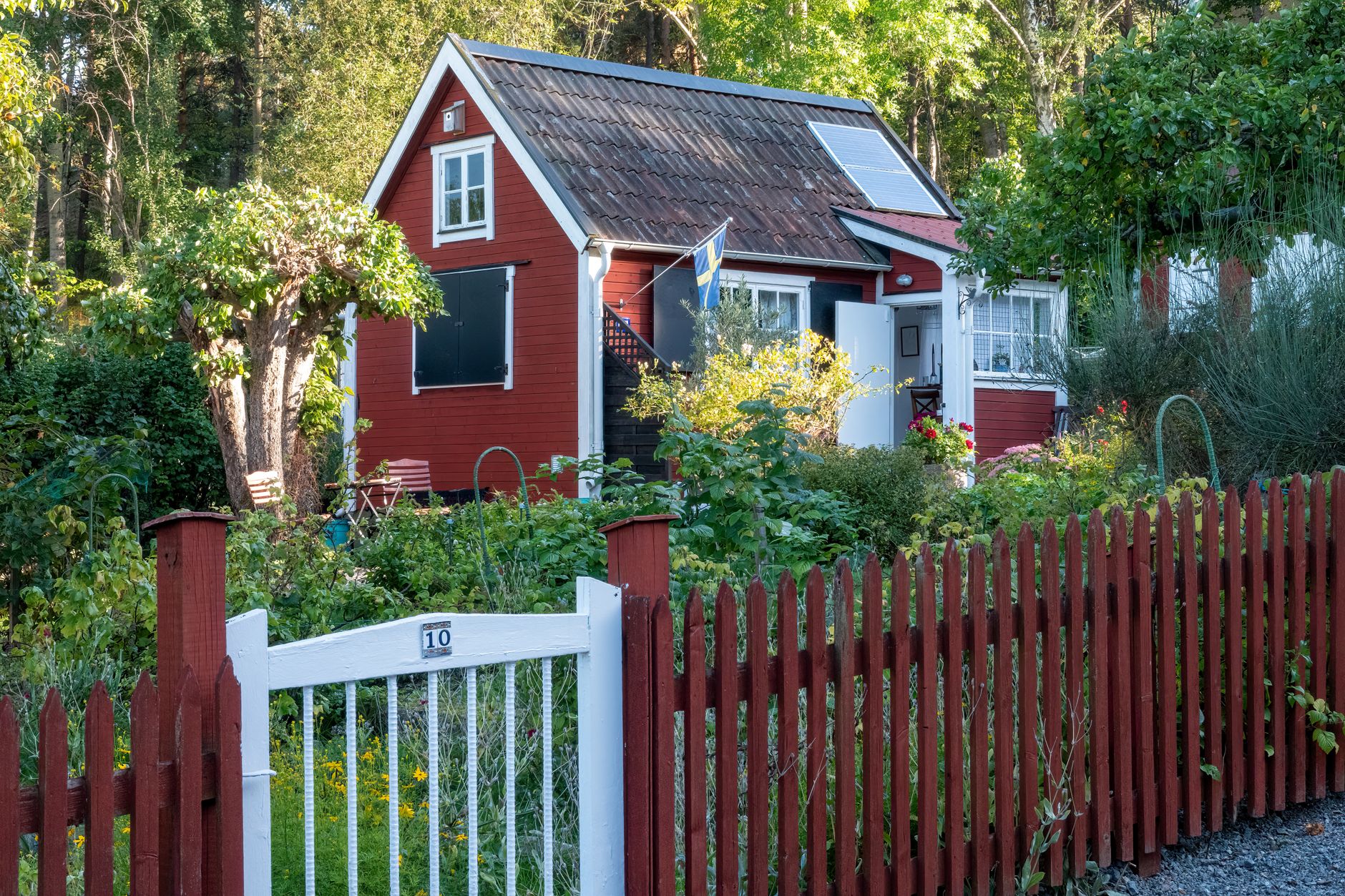
South-facing (northern hemisphere) at roughly 30-40 degree tilt. Avoid shade from buildings, trees or fences. A shed roof or a south-facing wall is ideal. Even a ground-mounted panel works if the angle is right.
Common mistakes
- Buying a too-small battery, which then cycles deep and dies within a season.
- Ignoring fuses and proper wiring (a fire risk).
- Connecting AC appliances directly to DC output.
- Forgetting to check the panel monthly for dirt and leaves.
Maintenance
- Wipe panels clean of dust, pollen and leaves seasonally.
- Check terminals for corrosion once a year.
- Monitor battery voltage; replace when it stops holding charge.
- Inspect cables for sun damage every few years.
A note on grid-tied solar
Grid-tied solar (where you sell power back to the utility) is a different scale and a different conversation. For genuine off-grid scenarios or for powering small outbuildings, the modest off-grid setup described here is more relevant.
Further reading
Two authoritative resources we recommend if you want to go deeper on this topic:
Frequently asked questions