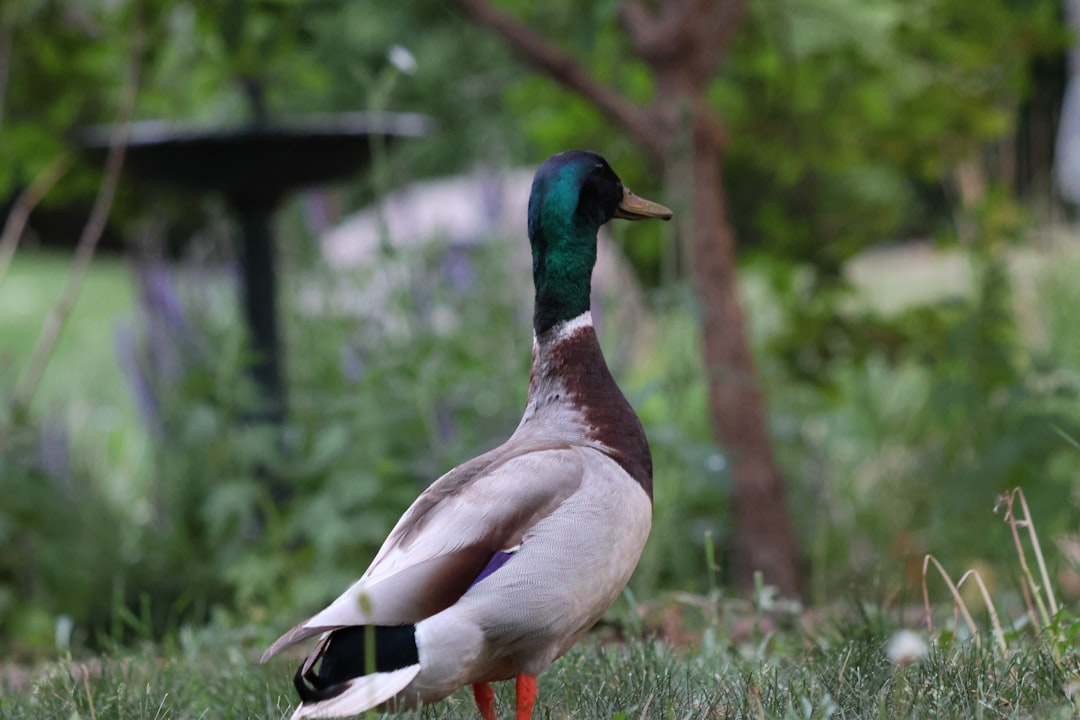
Ducks are sometimes proposed as a chicken alternative for wet backyards. They have charms chickens lack: better foraging, more amusing personalities, excellent slug control, and tolerance of damp conditions. They also produce more mess, demand a water source, and are louder than people expect.
This guide walks through the honest practicalities of small-scale duck keeping in a suburban backyard.
What ducks need that chickens do not
- Water for bathing (a kiddie pool is enough; not a pond).
- Wet bedding tolerance (their droppings are wetter).
- More garden mud than chickens create.
- Eyesight space at water level (ducks dunk heads to clean nostrils).
Productivity
Eggs
Good laying breeds (Khaki Campbell, Indian Runner) produce 250-340 eggs per year. More than most chickens. Eggs are larger, richer, and excellent for baking.
Meat
Pekin and Muscovy ducks produce excellent table meat. Ready at 9-12 weeks.
Noise
Female ducks quack. Loudly. Repeatedly. They will call across the yard for various reasons, sometimes for no obvious reason. They are louder than hens. Roosters are not present (no equivalent to a crowing rooster), but the female quacking is consistent. Suburban neighbours often complain.
Slug control
Ducks are excellent slug, snail, and insect controllers. Allowed to range a vegetable garden in early spring before plants establish, they will clear pests without trampling the beds (their feet are softer than chicken feet).
The mess
Ducks splash their water. They drink with messy enthusiasm. They walk wet feet through everything. A duck pen has 3-4 times the mud of a chicken pen of equivalent size.
- Use deep straw bedding in their sleeping area.
- Locate the bathing pool away from the bedding area.
- Drain and rotate the pool weekly.
- Provide a paved or graveled area near the pool.
Housing
Ducks need a secure sleeping area at night. They do not roost on bars; they sleep on the ground. A simple dog-house-sized shelter with deep straw works well. The pen around it should be predator-proof and have access to their water area.
Feeding
Use waterfowl-specific feed, not chicken feed. Ducks need slightly more niacin and a different protein balance. Forage supplements their diet significantly; let them range when possible.
When to choose ducks over chickens
- Wet, slug-heavy garden where chickens would struggle.
- If you want very high egg production.
- Less concerned about noise.
- Like richer-flavoured eggs for baking.
- Have outdoor water you don’t mind being splashed around.
When to choose chickens
- Drier yard.
- Stricter noise restrictions.
- Cleaner setup preferred.
- More forgiving on day-to-day mess.
Further reading
Two authoritative resources we recommend if you want to go deeper on this topic:
Frequently asked questions