Realistic egg yields are something articles rarely commit to with specifics. Marketing for backyard chickens often implies an endless flood of eggs. The reality is more measured. Productive breeds lay 4-6 eggs per week in good conditions; older birds lay less; broody birds skip weeks; winter slows everyone down.
This guide gives honest numbers from our own and our readers’ flocks, plus the storage practices that keep the eggs you do collect at their best.
How many eggs per hen per year
- Year one (point-of-lay onwards): 200-280 eggs.
- Year two: 180-240 eggs.
- Year three: 130-190 eggs.
- Year four: 90-140 eggs.
- Year five+: 50-100 eggs, increasingly irregular.
These are realistic for the breeds we recommend. Heritage breeds tend to lay slightly less but for more years total.
Seasonal variation
- Spring (March-May): peak production. 5-6 eggs per week per hen.
- Summer: high production, sometimes slightly reduced in extreme heat.
- Autumn (September-November): natural decline as days shorten and birds moult.
- Winter (December-February): production drops 50-80%. Some hens stop entirely.
Moulting
Once a year (usually autumn), hens drop their feathers and grow new ones. This takes 4-12 weeks. Production stops entirely during this period. Feathers are everywhere. The birds look terrible. All of this is normal.
Egg storage
Unwashed eggs at room temperature
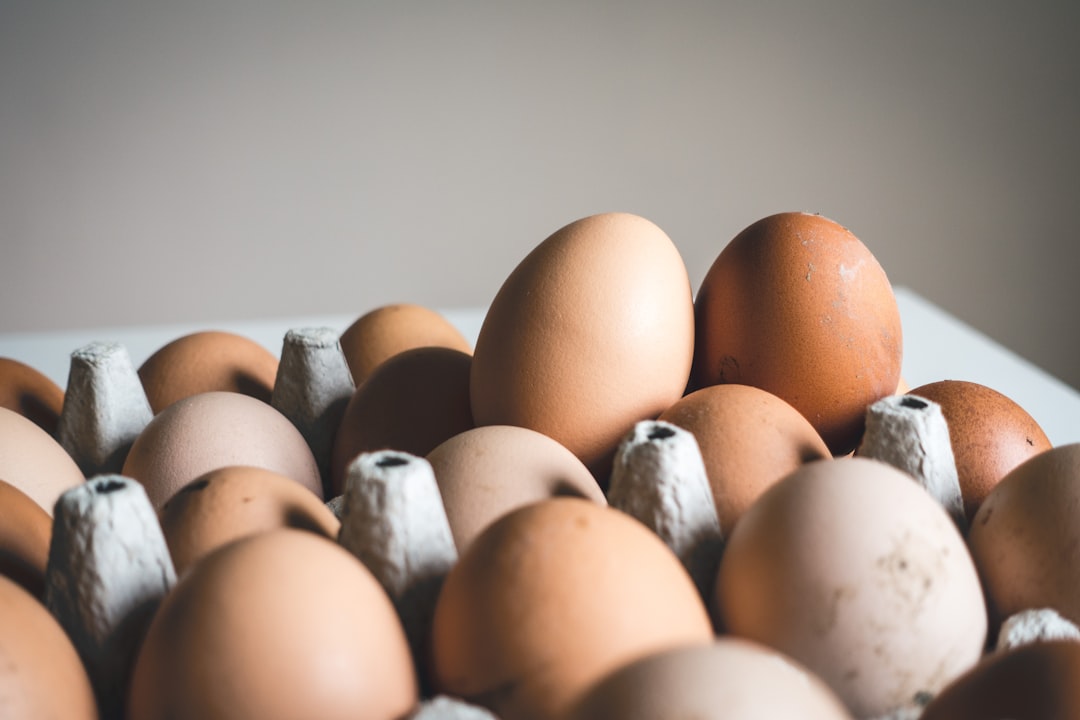
Eggs straight from the nest box have a natural protective coating (the bloom). Stored unwashed at cool room temperature, they keep 2-3 weeks.
Washed eggs refrigerated
Once washed, the bloom is removed and eggs must be refrigerated. They keep 5-6 weeks in the fridge.
When in doubt, the float test
An egg in a glass of water that lies flat is fresh. One that stands on end is older but fine. One that floats is too old to eat.
Cleaning eggs
- Brush off dry dirt with a dry cloth or fine sandpaper for stubborn marks.
- Wash only just before use, with warm water (not cold; cold draws bacteria into the shell).
- Do not soak eggs in water.
Realistic total for a family of three
A family that eats roughly 1.5 dozen eggs per week (18 eggs) needs:
- 4 hens in their peak year (will mostly cover the demand).
- 5-6 hens by year three to maintain the same supply.
- Possibly an annual hatch of new pullets to refresh the flock.
When eggs slow down
- Hen is broody (sitting in the nest, refusing to leave).
- Predator scare (stress reduces laying for days).
- Heat stress in summer.
- Moult.
- Old age (no fix; natural).
- Illness or parasite issues (vet check).
Further reading
Two authoritative resources we recommend if you want to go deeper on this topic:
Frequently asked questions