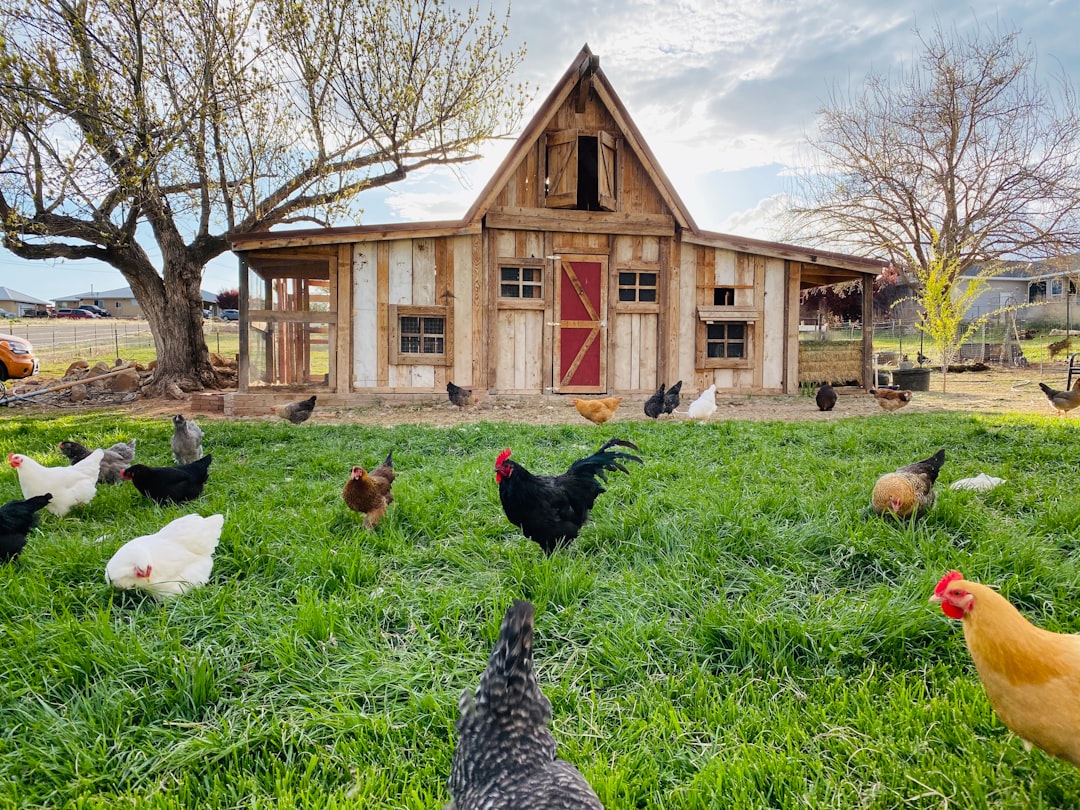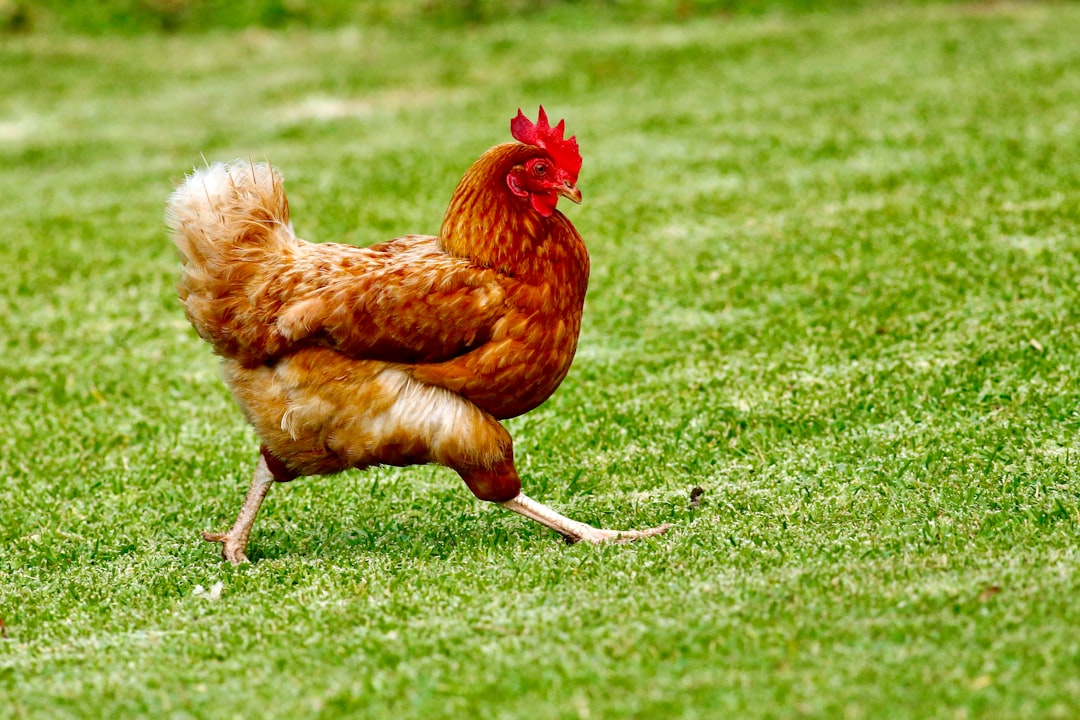
New keepers spend a lot of time wondering whether their hens are happy, sick, broody, or just being themselves. Most chicken behaviour is communicative if you learn to read it. Birds have a small vocabulary of postures, sounds and small actions that tell you what is going on. After a few weeks you read them without thinking about it.
This guide is a starter on chicken behaviour, the signs that genuinely matter, and the ones beginners overworry about.
Sounds and what they mean
Soft contented clucking
Birds at ease, foraging or in the coop.
Loud alarm calls
Repeated sharp clucks. Predator nearby, or a perceived threat. Check.
Egg song
Loud, prolonged announcement after laying. Many breeds do this. Pride or warning to the flock.
Distress squawks
Sharp, panicked. Caught, hurt, or being attacked.
Soft cooing in the nest box
Broody hen. A hen who wants to sit on eggs.
Postures and body language
Tail up, bright eyes
Healthy and alert.
Tail down, ruffled feathers
Sick or cold. Investigate.
Crouching with wings spread
Submissive or in heat for mating. Normal pecking-order behaviour.
Dust-bathing
Lying on her side, kicking soil onto her back. Healthy and important behaviour.
Sunbathing
Lying flat, wings spread, eyes half-closed. Looks alarming but normal.
Daily routines they keep
- Wake at first light. Want out as soon as you appear.
- Forage all morning if allowed.
- Lay eggs late morning to early afternoon.
- Dust-bathe and rest in afternoon shade.
- Forage again in early evening.
- Return to coop at dusk to roost.
Pecking order
Every flock has a hierarchy. The top hen eats first, roosts in the best spot, and makes decisions for the group. New arrivals work out their place over 1-2 weeks. Some pecking is normal. Drawing blood is not.
Signs of illness
- Hunched posture, fluffed feathers.
- Pale or shrunken comb.
- Discharge from eyes or nostrils.
- Not eating or drinking.
- Diarrhoea.
- Limping or favoring one foot.
- Standing apart from the flock.
Any combination of these warrants quick attention. Most issues are treatable if caught early.
Broody hens
A broody hen sits in the nest box for hours, fluffs her feathers when approached, and pecks at hands removing eggs. She wants to hatch eggs.
If you do not want chicks, break the broodiness by:
- Removing her from the nest several times a day.
- Placing her in a separate well-ventilated cage with no bedding for 2-3 days.
- Removing nest box temporarily.
Within a week, most broodies snap out.
When beginners overworry
- A single ruffled feather: nothing.
- Brief tail-down rest in the shade: nothing.
- Soft cooing in nest box: normal.
- Dust-bathing: normal and healthy.
- Sunbathing flat on the ground: normal.
The goal is to learn the difference between dramatic-looking normal behaviour and quietly serious health signs. Time and observation teach this.
Further reading
Two authoritative resources we recommend if you want to go deeper on this topic:
Frequently asked questions