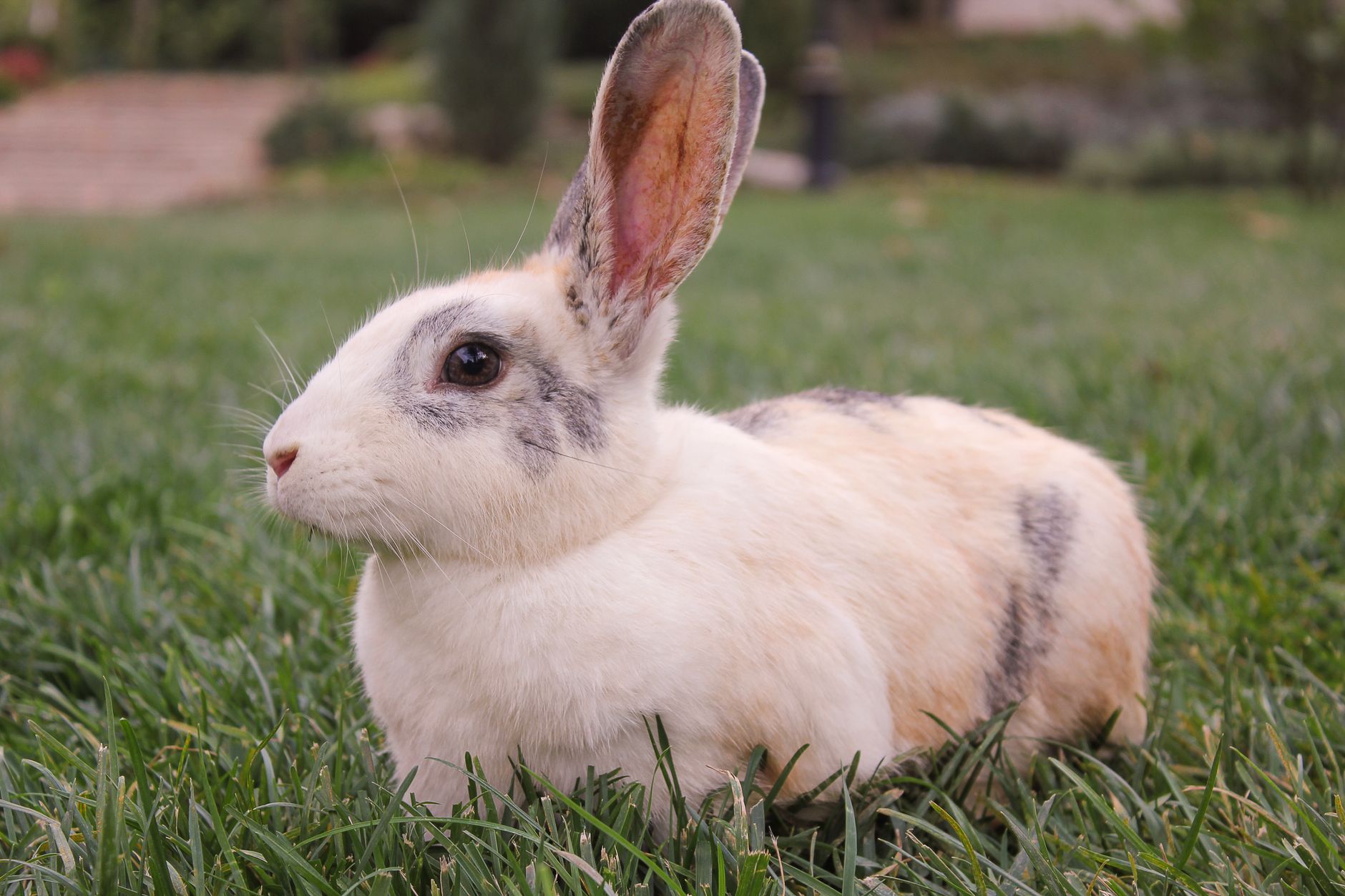
Rabbits are an overlooked option in small-scale homesteading. They take up less space than chickens, are quieter, produce excellent meat in commercial quantities, and require less feed than larger livestock. They also produce manure that is the closest thing to perfect fertiliser available without composting.
This guide walks through what a modest backyard rabbit setup looks like, for either meat production or as pets that contribute to the garden through manure.
Why consider rabbits
- Quiet (suitable for restrictive suburbs that ban chickens).
- Small footprint (3-4 m² for a small breeding pair).
- Manure usable immediately on garden beds (no need to compost first).
- Tame and easy to handle.
- Productive in meat terms if that is the goal.
Housing options
Hutches
Traditional. A pair of rabbits needs roughly 1.2 m x 0.6 m of indoor hutch space, plus a small outdoor run. Off-the-ground design is essential for predator protection.
Colony pens
A larger 3 m x 2 m enclosed pen with multiple rabbits living socially. Closer to natural behaviour but requires more space and good management.
Stacked cages
For meat production at slight scale. Wire-floor cages stacked vertically. Efficient but less attractive ethically.
A meat-production setup
One buck (male), two does (females). Each doe produces 6-8 kits per litter, 4-5 litters per year. A small operation can produce 50-80 rabbits a year for meat. Significant productivity.
A pet/manure setup
Two neutered rabbits as pets in a larger pen. No breeding. Daily collection of manure (around 100-150 g per rabbit per day) for direct application to garden beds.
Daily care
- Hay refreshed daily.
- Water refilled and checked twice daily.
- Small amount of vegetables and fresh greens.
- Pellet feed if used.
- Quick health check (looking for wetness around eyes, nose, hindquarters).
The manure as fertiliser
Rabbit manure has a remarkable property: it does not need composting. The droppings can go directly on garden beds without burning plants, unlike chicken or horse manure.
- Side-dress vegetables with a handful per plant.
- Spread around fruit trees in autumn.
- Mix into compost for accelerated decomposition.
- Brewing rabbit tea: a few droppings in a watering can of water, overnight, makes a gentle liquid feed.
Common rabbit problems
- Heat stress (more than cold; ventilation matters).
- Snuffles (respiratory infection).
- Fly strike (warm weather, kept clean to prevent).
- Dental issues (provide hay and gnawing wood).
- Boredom in small spaces.
Honest ethical considerations
Meat rabbit keeping requires honest consideration of slaughter. Many people who think they want meat rabbits realise they prefer the pet/manure model. Both are valid. Be honest with yourself before starting.
Further reading
Two authoritative resources we recommend if you want to go deeper on this topic:
Frequently asked questions