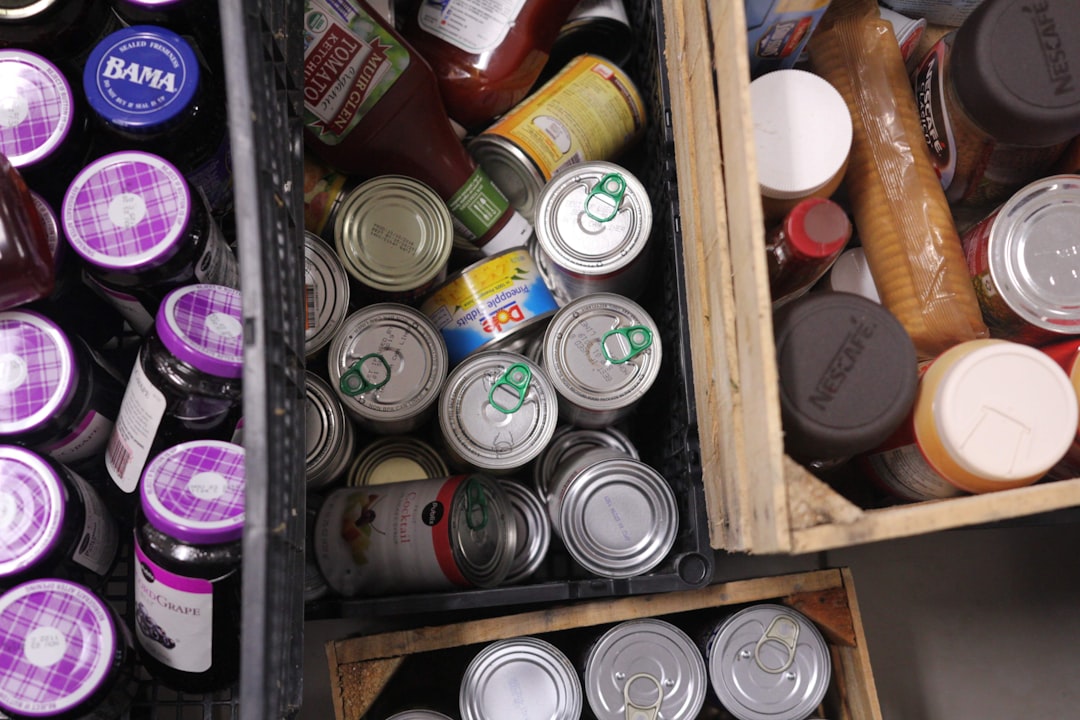
A pantry rotation system sounds bureaucratic. It is not. It is a small habit that prevents the back-of-pantry graveyard where forgotten jars and packets quietly expire. Done with the right structure, rotation takes about 15 minutes a quarter and produces real savings.
This guide describes a simple rotation system that works for ordinary kitchens, with no apps, spreadsheets, or sophisticated equipment.
The FIFO principle
First in, first out. New stock goes to the back. Old stock comes to the front. Use what is in front. This is the whole system.
Setting it up
- Empty your pantry shelf by shelf.
- Group similar items: cans, beans, grains, baking, sauces.
- Check dates and condition.
- Discard anything genuinely past safe use.
- Designate the front of each shelf as “use first”.
- Return items: oldest to the front, newest to the back.
Quarterly review
Every three months, repeat the process briefly. Move forward what is behind. Note anything approaching expiry and plan to use it.
Working with bulk
Bulk purchases break rotation if not managed. Use this approach:
- Keep one open container at the front.
- Reserve the bulk packaging in the back.
- Refill the front from the back as it empties.
- Mark the bulk container with date of purchase.
Date marking
Permanent marker on the lid is sufficient. Some people use small stickers. The important thing is being able to see at a glance what is older.
What about home-preserved foods
Home-canned goods, jams, and ferments need the same rotation. Mark each jar with date when sealed. Aim to use within 12 months for peak quality.
A pantry inventory
Once a quarter, jot down on a small notepad what you have plenty of and what is running low. Not a detailed inventory, just a quick list. Use this for shopping planning.
When rotation is unnecessary
Some items have very long shelf life and barely need rotation: salt, sugar, dried beans (in proper storage). Other items need close watching: oils (rancidify), whole-grain flours (oxidise), nuts (go off in months).
Further reading
Two authoritative resources we recommend if you want to go deeper on this topic:
Frequently asked questions