There are over 200 chicken breeds. Most beginners look at a list and feel overwhelmed. Most experienced keepers will tell you that the right breed for a suburban backyard comes down to four traits: cold/heat tolerance for your climate, productivity per feed cost, temperament around children and visitors, and noise level.
This guide narrows the list down to the breeds that genuinely suit small suburban yards and explains the choices behind our short list.
What matters in a suburban yard
- Quieter temperament (no roosters; some breeds are quieter even as hens).
- Good winter and summer tolerance for your climate.
- Reliable laying.
- Friendly with children if family-kept.
- Generally healthy with minimal vet intervention.
Our short list of breeds
Buff Orpington
Calm, friendly, cold-hardy, decent layers (200+ eggs/year), beautiful golden colour. The classic family backyard breed.
Plymouth Rock
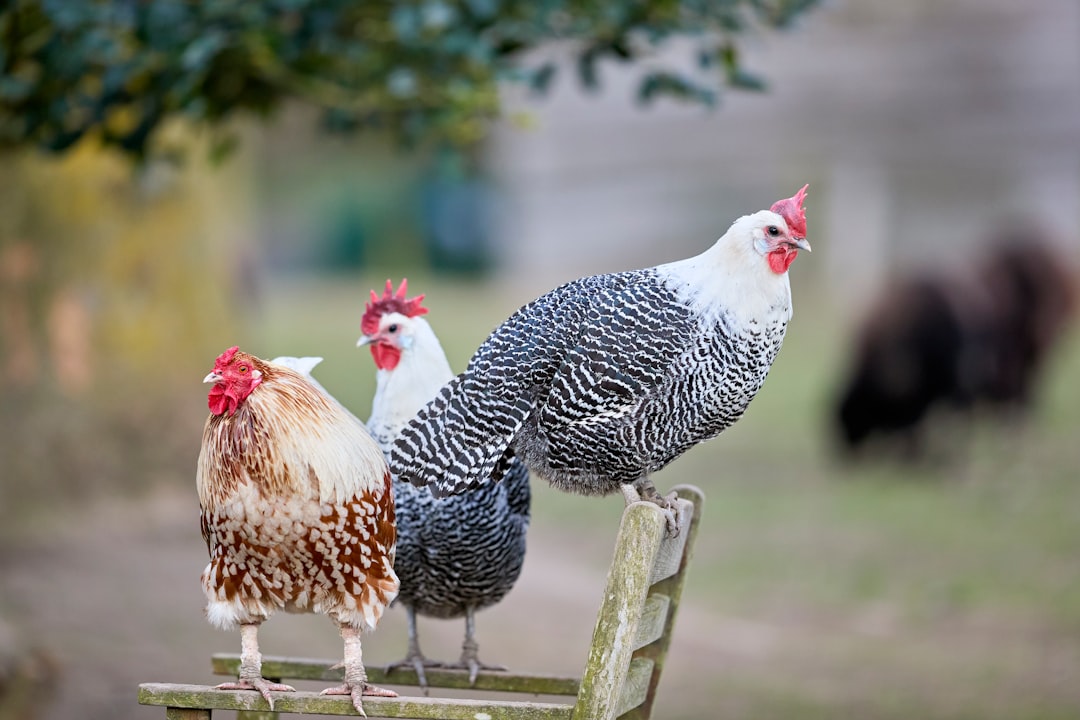
Black and white barred plumage. Hardy, tolerant, productive (250 eggs/year). Slightly more independent than Orpington.
Australorp
Glossy black, excellent layers (280+ eggs/year), calm temperament. Good in warmer climates.
Wyandotte
Compact, hardy, beautiful colour variations. Slightly more independent. Around 200 eggs/year.
Brahma
Large, gentle, feathered legs. Quieter than most. Slower to mature but very calm.
Breeds we recommend less often
Leghorn
Excellent layers but flighty, noisy, less family-friendly.
Bantam breeds
Charming but smaller eggs and lower production. Worth considering only if egg quantity is secondary to interest.
Exotic breeds (Polish, Silkie)
Beautiful but more prone to health issues. Better as second-flock additions.
Mixed flocks
We strongly recommend mixed-breed flocks. Three or four birds, each a different breed, gives:
- Different egg colours (brown, dark brown, blue, cream).
- Different personalities to enjoy.
- Variety in resilience to climate extremes.
- Easier to tell birds apart for health monitoring.
Where to source
- Local poultry hatchery: best quality, certified disease-free.
- Feed stores in spring: convenient but quality varies.
- Private breeders: variable; great quality from good breeders.
- Adoption groups: ex-battery hens need homes, less productive but rewarding.
Starting with point-of-lay or chicks
Day-old chicks
Cheapest, most variety. Require brooder setup, daily attention for 6-8 weeks before going outside.
Pullets (3-4 month old)
Beyond brooding stage. Go straight to coop. 6-8 weeks until first eggs.
Point-of-lay (4-5 months)
Almost ready to lay. Easiest entry but most expensive per bird.
Further reading
Two authoritative resources we recommend if you want to go deeper on this topic:
Frequently asked questions