The hardest part of composting is not the technique. It is keeping the routine going through the messy middle period when the system smells, fills up, and demands attention you do not want to give. Most beginners abandon their compost in the first six months. Those who keep going often end up with a quietly excellent system by year two.
This guide is about routine rather than technique. It walks through the small habits that keep composting sustainable, so you actually have finished compost in two years rather than a half-collapsed bin you ignore.
The kitchen caddy
A small 5-litre lidded caddy on the kitchen counter or under the sink. Scraps go in for 2-3 days, then to the bin outside.
- Choose a caddy that fits your normal scrap volume.
- Line with newspaper or a compostable bag to reduce washing.
- Empty often enough that it never starts to smell.
The daily glance
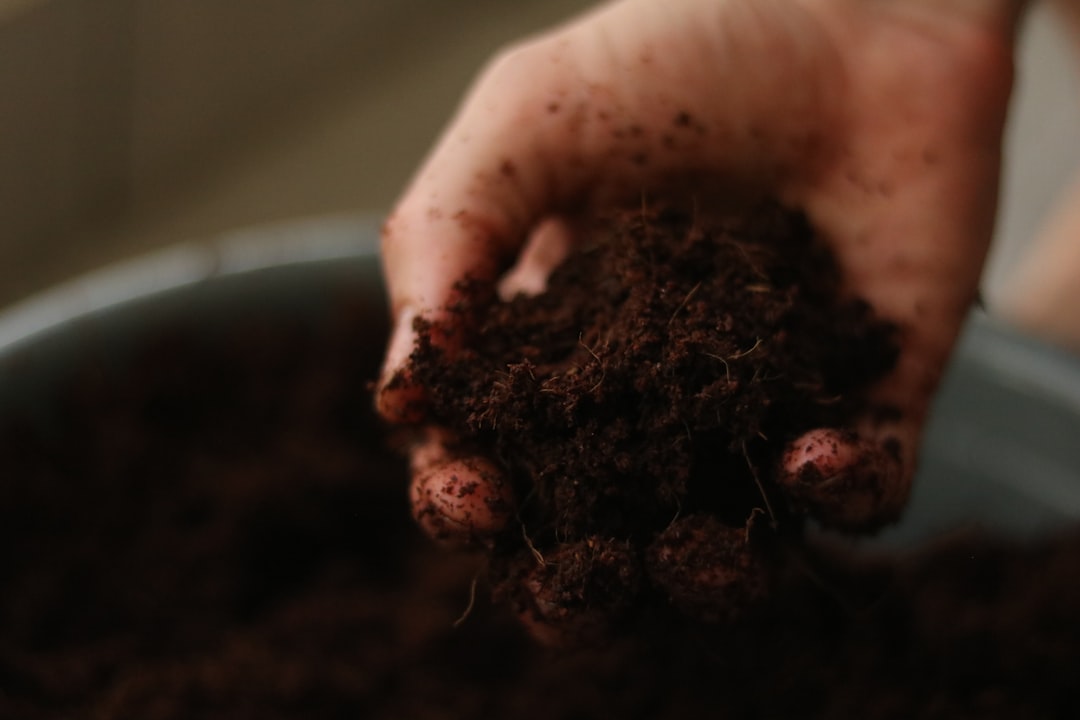
On the way past the compost bin, lift the lid. Check moisture (should feel like a wrung-out sponge), look for any pest activity, note whether contents are settling. A five-second glance prevents most issues.
The weekly habit
On a fixed day each week (Saturday morning works for us), spend ten minutes on the compost system:
- Tip the kitchen caddy into the bin.
- Add a layer of brown material (cardboard, dry leaves, shredded paper).
- Stir or turn the top layer with a fork.
- Note any issues for next week.
The monthly task
Once a month, give the bin a deeper turn. Use a fork to break up the upper third, mix it with new material, and add water if dry. Takes about 15 minutes.
The seasonal task
Spring
Harvest finished compost from the bottom. Spread on beds before planting.
Summer
Check moisture more carefully; bins dry out in heat.
Autumn
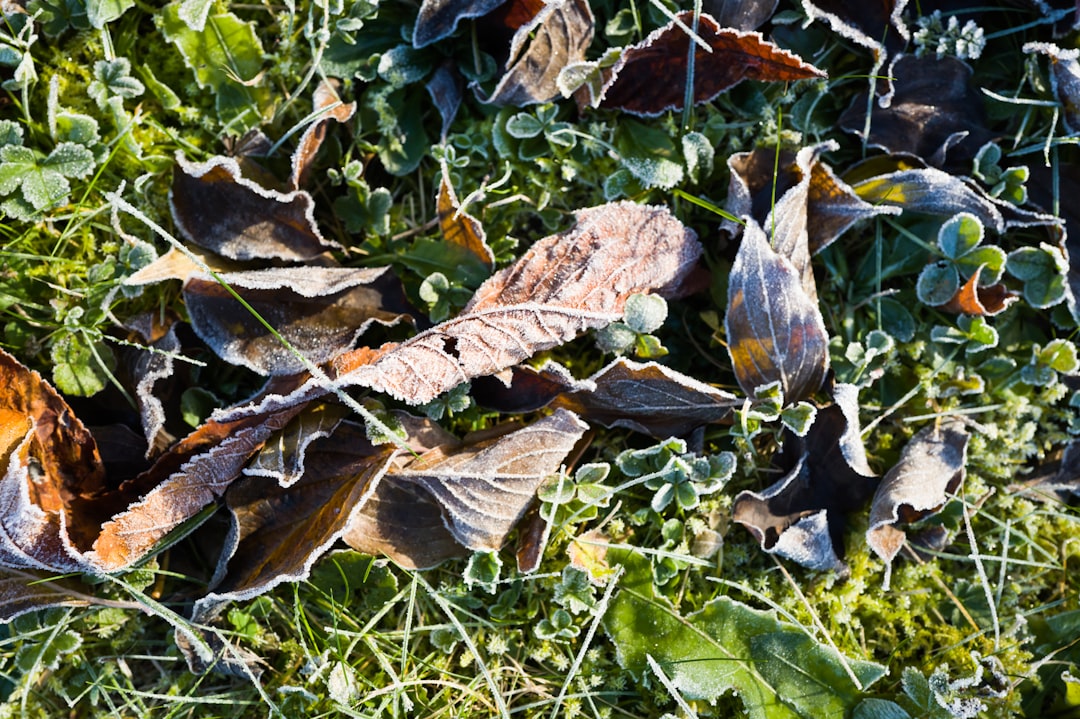
Layer in autumn leaves as a generous brown component.
Winter
Add fewer kitchen scraps in deep cold; biological activity slows. Cover with a layer of leaves or cardboard to retain warmth.
Why most routines fail
- Bin too far from the kitchen door.
- Caddy too small (overflows) or too big (smells before emptying).
- Lid that is hard to open in winter.
- Standing water at the bottom of the bin.
- Compost smells (signals out-of-balance system).
When to forgive yourself
Travelled and forgot to empty the caddy? Compost smells off after a hot week? Bin overflowed in autumn? All normal. The compost system tolerates lapses better than gardeners do. Tip in some shredded cardboard, turn well, and the system recovers within a week.
Further reading
Two authoritative resources we recommend if you want to go deeper on this topic:
Frequently asked questions