Every container gardener eventually stares at a bin of last year’s tomato compost and asks whether to use it again. The soil looks fine. It cost fifteen pounds. Tipping it into the general waste feels wasteful. Reusing it feels risky. Most guides answer with a firm “never” or an equally firm “always,” and neither is quite right.
The honest answer, based on our own three-season reuse tests on a small back-porch potting bench: you can reliably revive potting soil for a second season, sometimes a third, if you amend it correctly and if you check one specific property before you commit. Beyond a third season, it is usually smarter to redirect the old compost to a garden bed and buy fresh for pots.
What actually goes wrong with old potting soil
Three things break down over a growing season in a container:
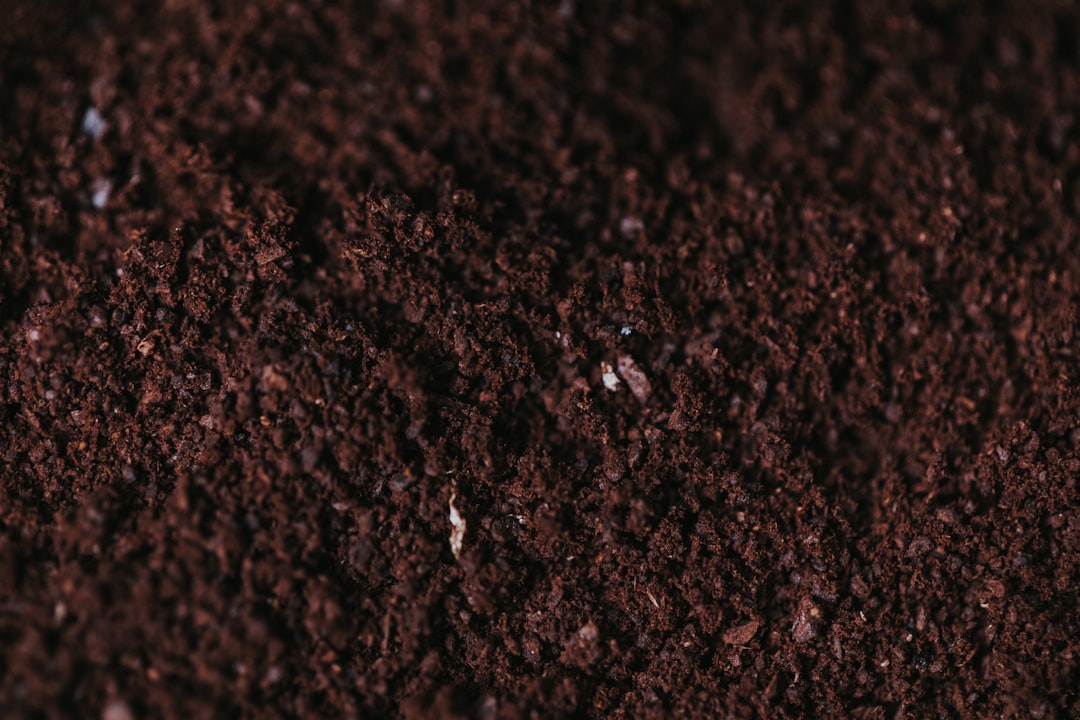
- Physical structure. Peat and coir fibres decompose, leaving finer particles that pack down and drain poorly. The soil weighs more when wet and takes twice as long to dry between waterings.
- Nutrient reserves. Container plants strip most of the readily available nitrogen, phosphorus and potassium in one season. The “slow release” fertiliser pellets that came in the bag are exhausted by month three.
- Biology. The living fungal and bacterial community that started in fresh commercial compost declines under container pressure (irregular watering, temperature swings, single-species root systems).
Reviving means restoring all three, in that order.
The drainage test that decides everything
Before you amend anything, do this test. Fill a small (10 cm) pot with the old soil, tamp lightly, and pour 250 ml of water through it. If the water runs out the bottom within about ten seconds, the soil is worth saving. If it puddles on top for more than a minute before slowly seeping through, the physical structure has collapsed and no amount of fertiliser will fix it. That soil belongs on a garden bed as an amendment, not in a fresh container.
This ten-second test replaces guesswork. In our experience about two-thirds of last-year’s potting soil passes; the last third goes on the garden.
The two-amendment revival for soil that passes
For every ten litres of last year’s soil:
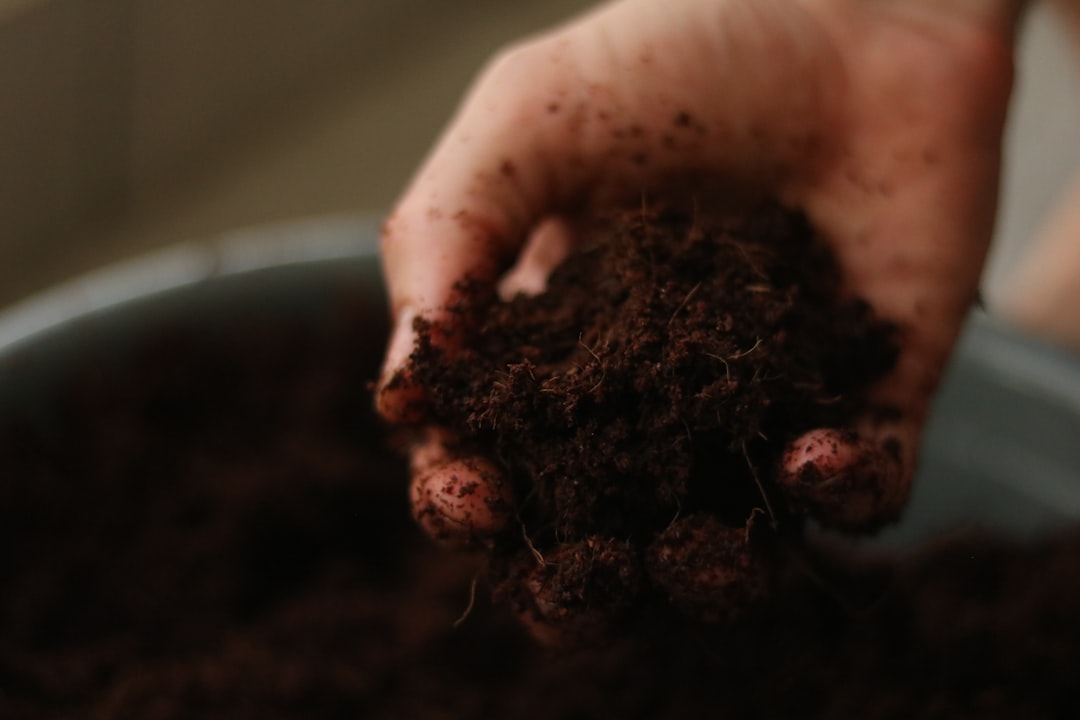
- Add 2 to 3 litres of fresh compost or well-rotted worm castings. This restores active biology, adds organic matter, and lightens the mix physically. Worm castings are the gold standard here; garden centre “multi-purpose compost” works if that is what you have.
- Add one heaped handful of horticultural grit or perlite per 10 litres. This opens up the drainage that collapsed over the previous season.
Mix thoroughly. If you have a wheelbarrow, tip and turn six times; if not, a large plastic tote works. Do this on a dry day; wet compost mixes badly and clumps.
For heavy-feeding plants (tomatoes, peppers, courgettes), also mix in one handful of slow-release organic fertiliser (chicken manure pellets, fish blood and bone, or a proprietary organic tomato feed) per 10 litres. For leafy greens and herbs, skip the extra feed; the compost addition is enough.
What about disease? The honest answer
Every reuse guide warns about carrying over disease from the previous crop. In practice, on a small home scale, this risk is smaller than the guides suggest for most crops, and larger than they suggest for a few specific ones. Rule of thumb we work by:
- Safe to reuse: soil that grew leafy greens, herbs (except basil), root vegetables, and beans. Follow-on with anything from the same list or a different family entirely.
- Rotate carefully: soil that grew tomatoes, peppers, aubergines or potatoes (all Solanaceae). Do not follow with another Solanaceae in the same soil. Follow with beans, leafy greens, or herbs.
- Do not reuse: soil from any plant that visibly showed root rot, wilt disease, or clubroot. Bin the soil (or hot-compost it separately) and start fresh.
Basil is on the “do not follow with basil” list because Fusarium basilica overwinters in soil and returns readily. Rotate basil into fresh compost each year even in a container, unless you enjoy watching a whole tray collapse in July.
Sterilising: usually unnecessary at home
The “sterilise old potting soil by baking it in the oven at 80 C” method appears in older gardening books. It works, but it also kills the beneficial microbial community you spent a season developing, smells strongly, and heats your kitchen. For most home reuse, skip it. If you are worried about a specific pathogen (see disease notes above), bin the soil rather than sterilise; you cannot easily undo a fusarium infestation with baking.
Third-season reuse: the marginal case
By the third season, the original commercial compost is almost entirely broken down. What remains is a mix of decomposed peat or coir, added compost from years one and two, and any perlite that has not been physically lost. It behaves more like a mineral-poor garden soil than a proper potting mix, and it drains inconsistently.
Third-season reuse works for undemanding crops in shallow containers (lettuce, radishes, spring onions, marigolds) but underperforms for anything hungry. By this stage, the honest move is to empty the container onto a garden bed or a compost heap, wash the container, and start again with a fresh mix. Two seasons of reuse recovers most of the cost of the original bag; the third rarely justifies itself.
A note on peat-based versus peat-free compost
Peat-based composts decompose more slowly and hold structure for longer, so they reuse more forgivingly across two seasons. Peat-free composts (coir, wood-fibre, bark-based) break down faster and typically need larger additions of fresh compost and grit at year two. The trade-off is worth it (peatlands are a real carbon issue) but budget for the slightly higher amendment ratio if you are on peat-free.
Further reading
Two authoritative resources we recommend if you want to go deeper on this topic:
Frequently asked questions