Cool climates make urban farming look harder than it is. A short summer, an unpredictable spring and an early autumn frost can feel like reasons to skip the whole project. They are not. They simply call for a slightly different rhythm to the calendar, one that suits cool, wet conditions rather than the warm Mediterranean assumptions most gardening books are built on.
This is a month-by-month calendar for a balcony or small yard in a cool climate, roughly USDA zones 6 to 8 or UK growing climate. Adjust by two or three weeks if you are noticeably colder or warmer.
January
Plan and read. Order seeds. Resist starting anything outdoors. Maintain any overwintered herbs indoors.
February
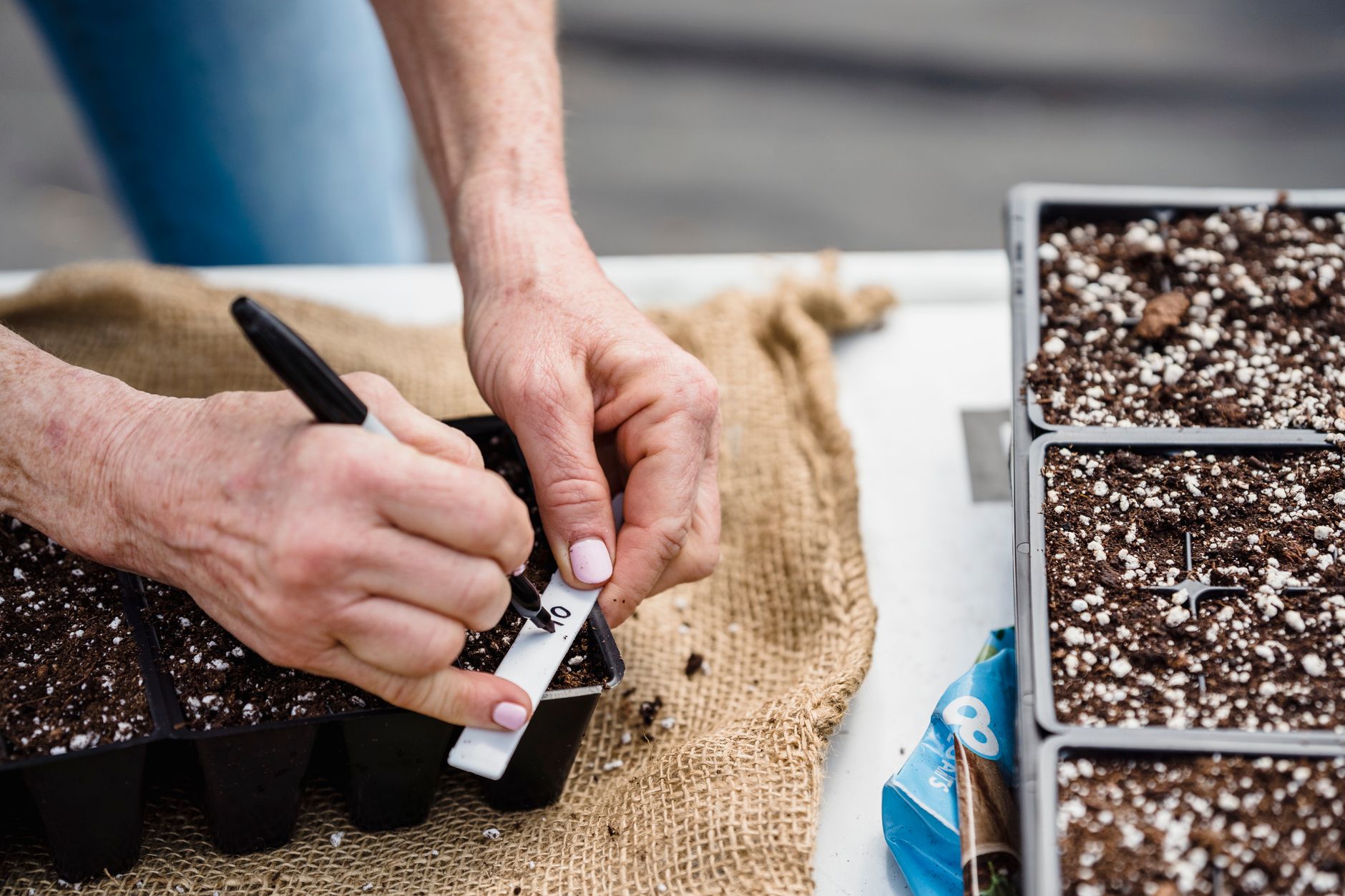
Start chilli seeds indoors on a sunny windowsill or under a small light. Begin a microgreen tray for daily greens. Continue caring for overwintered herbs.
March
Tomato seeds indoors. Sow salad leaves in cold frames or sheltered window boxes. Cool weather salad like mizuna and pak choi can go outside in protected spots toward the end of the month.
April
First proper outdoor sowing window. Peas, broad beans, hardy salad, radishes, spring onions, chives. Pot up tomato seedlings into larger pots indoors. Sow more salad leaves outdoors every two weeks from now until June.
May
Last frost in most cool climates by mid-May. Move tomato, pepper and basil plants outside gradually (hardening off). Sow beans, courgettes, cucumbers. By the end of May the balcony should be fully planted.
June
Steady growth month. Stake tomatoes, pinch out side shoots if you grow indeterminate varieties. Start a second sowing of salad leaves for late summer. Mulch pots to retain moisture before the hot weather hits.
July
Peak production starts. Tomatoes flower and set fruit. Daily watering. Harvest salad and herbs frequently to keep them producing. Start watching for pests and diseases.
August
Maximum harvest. Tomatoes ripening, herbs flourishing, beans producing. Pinch tomato growing tips to direct energy into fruit ripening. Sow autumn salad leaves in late August.
September
Last tomato push. Pick any green tomatoes if frost is forecast and ripen indoors. Harvest and dry herbs for winter storage. Sow mache (lamb’s lettuce), winter purslane and other hardy autumn greens.
October
Tidy and refresh. Remove finished plants, refresh soil in pots, plant overwintering hardy herbs in protected spots. Bring tender perennials indoors before frost. Begin reducing watering as light drops.
November
Move all overwintering pots to the brightest available window. Wrap any outdoor pots that will stay outside in hessian or bubble wrap to protect roots. Harvest any remaining cool-tolerant greens.
December
Quiet month. Maintain indoor herbs. Read seed catalogues. Sharpen tools. Plan for the coming spring. Microgreens on a sunny windowsill remain a useful daily contribution.
Further reading
Two authoritative resources we recommend if you want to go deeper on this topic:
Frequently asked questions