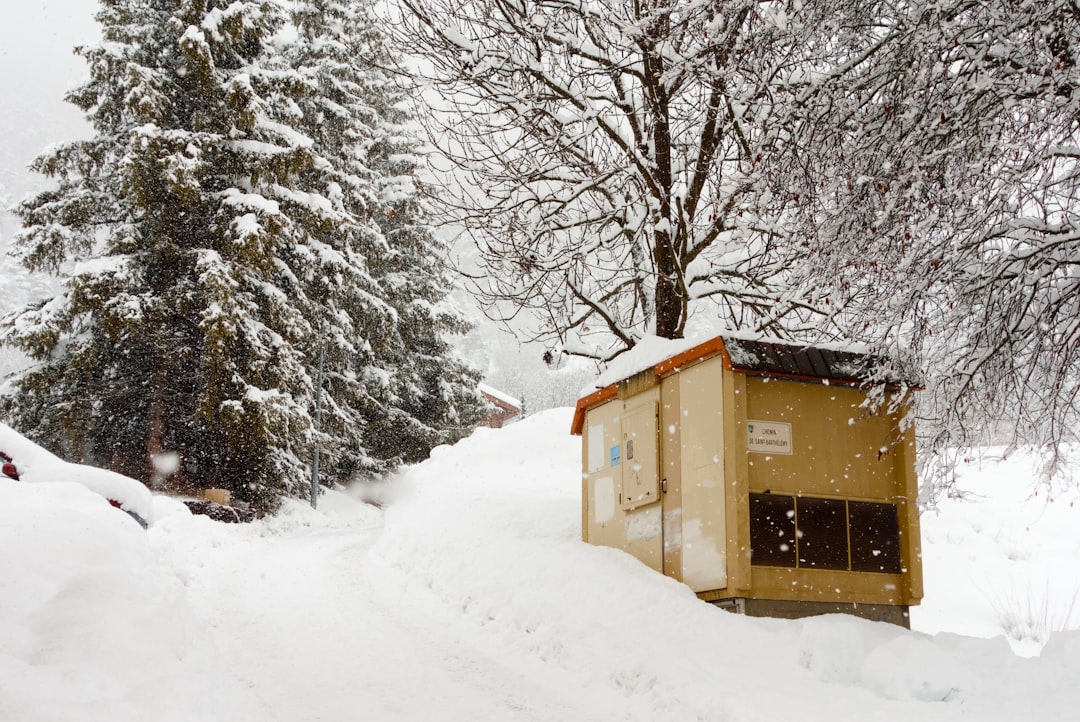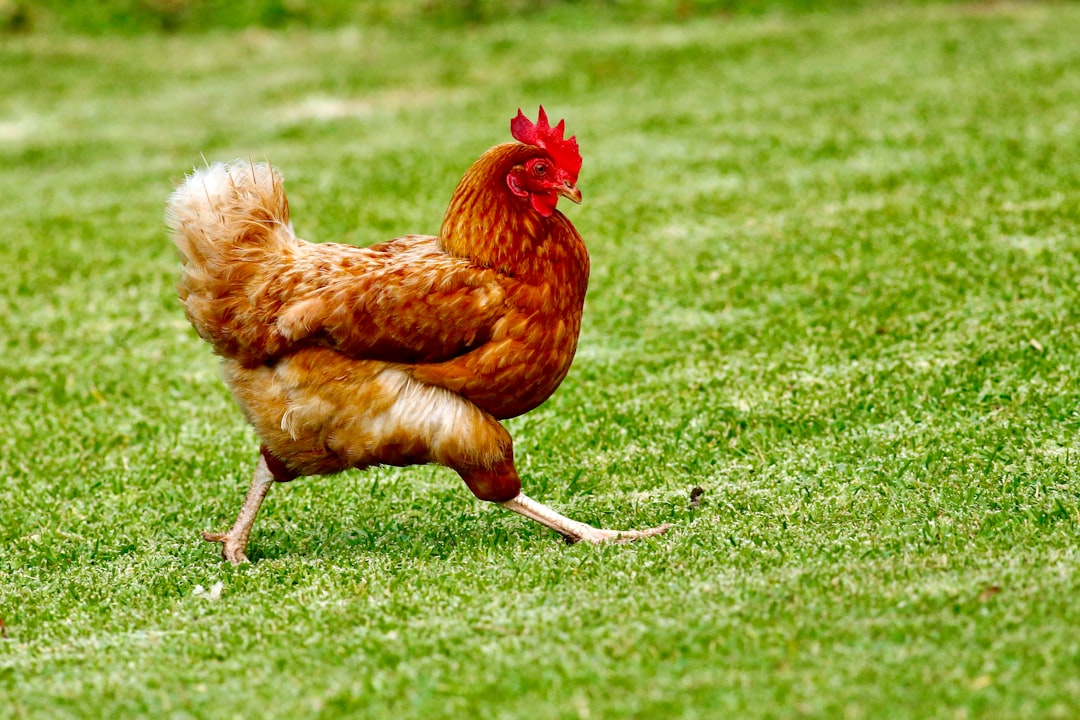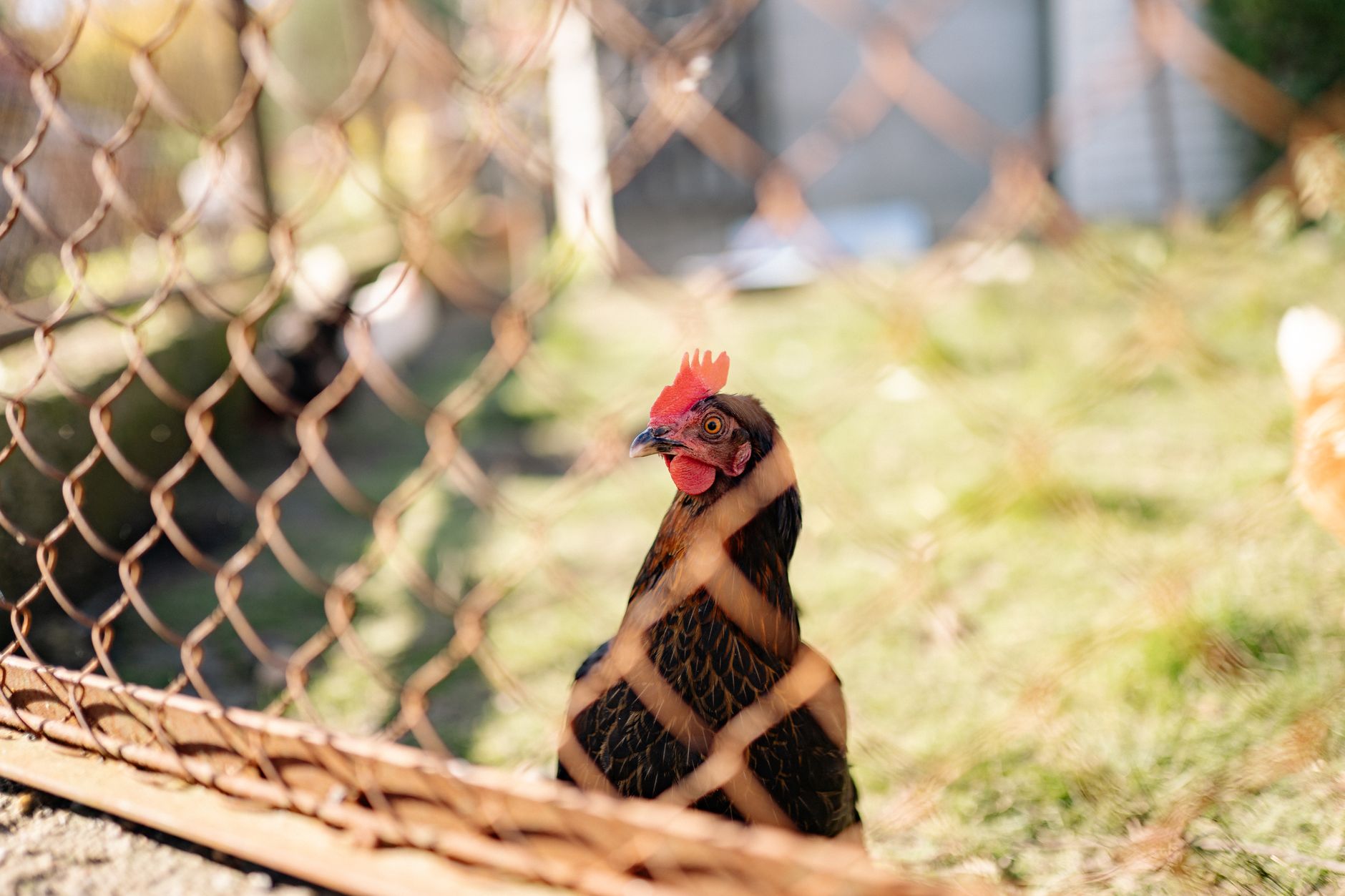
Free-ranging in a small fenced yard is the realistic middle ground between coop confinement and proper free-range farm operation. The birds get out, peck, dust-bathe, and explore. The yard contains them. Predator risk drops dramatically compared to true free-range.
This guide walks through how to set this up well, the small yards where it works beautifully, and the small fixes that prevent the most common problems.
What makes a yard suitable
- Solid fencing (1.5m+ tall, no gaps under 5 cm).
- No overhanging trees that hawks can perch in.
- Some shade available throughout the day.
- Access to water and shelter at all times.
- Limited or fenced-off vegetable gardens.
The yard size question
A small (50 m²) yard supports 3-4 hens comfortably for daily ranging. The yard will look a little worn after a year; new grass struggles. Larger yards (200 m²+) handle 5-10 birds with rotation.
Daily ranging routine
- Morning: birds wait at the run door, knowing the routine.
- Open the run gate to the yard.
- Optional: scatter scratch grains to start them off.
- Birds free-range for 4-10 hours.
- Evening: usher them back to the coop before dusk.
What hens get from free-ranging
- Insects, worms, and forage that reduce feed bill by 10-20%.
- Stronger eggs with deep orange yolks.
- Reduced boredom and feather-pecking.
- Healthier social interaction across the flock.
- Visible joy at being out of the run.
What can go wrong
Hawk strikes
Even in suburban yards, hawks can take a hen. More likely if your yard backs onto wooded area or has tall perch trees.
Garden damage
Hens scratch beds. Fence off vegetable gardens.
Wandering
Some breeds are escape artists. Clip wings (the primaries on one wing only; safe and humane) if you have flighty birds.
Lost eggs
Free-range hens sometimes lay in hidden spots. Walk the yard daily checking for new nests.
Solutions to garden damage
- Fence vegetable beds with 60 cm high netting.
- Establish lawn before letting hens range; established grass tolerates them better.
- Provide a designated dust-bathing area to draw scratching there.
- Use cloches over young plants.
Rotation in larger yards
For yards over 200 m², divide into zones. Rotate hens through one zone per month. The grazed zone recovers while another is in use. This dramatically improves yard health.
Further reading
Two authoritative resources we recommend if you want to go deeper on this topic:
Frequently asked questions