Hydroponic nutrient marketing is a small forest of bottles, three-stage feeding schedules, and proprietary formulas with names that sound vaguely like luxury hair products. The reality is that for most home hydroponic systems, two or three bottles cover everything you need across an entire growing year.
This guide walks through what the bottles actually do, which ones genuinely matter, and how to mix them without overthinking it.
What plants actually need
Three macronutrients (nitrogen, phosphorus, potassium) and a handful of micronutrients (calcium, magnesium, iron, manganese, zinc, copper, boron, molybdenum). That is the whole list. Hydroponic plants are not fussy about which brand provides them.
Two-part vs three-part nutrients
Two-part formula
Two bottles labelled A and B. Mix together in water in equal parts. Designed to keep otherwise reactive compounds (calcium and phosphates) separate until dilution. Simple, reliable.
Three-part formula
Bottles labelled Micro, Grow, Bloom. Adjustable ratios across plant growth stages. Slightly more flexible. More to remember.
For home growers, two-part is fine. The added complexity of three-part rarely justifies itself for kitchen-scale production.
What to ignore on the bottle
- Marketing terms like ‘plant boost’, ‘flower igniter’, ‘super bloom’.
- Detailed week-by-week feeding schedules (overkill for leafy crops).
- Add-on supplements (root boosters, leaf sprays).
- Proprietary ‘secret ingredients’.
Mixing for different crops
Leafy greens (lettuce, basil, kale)
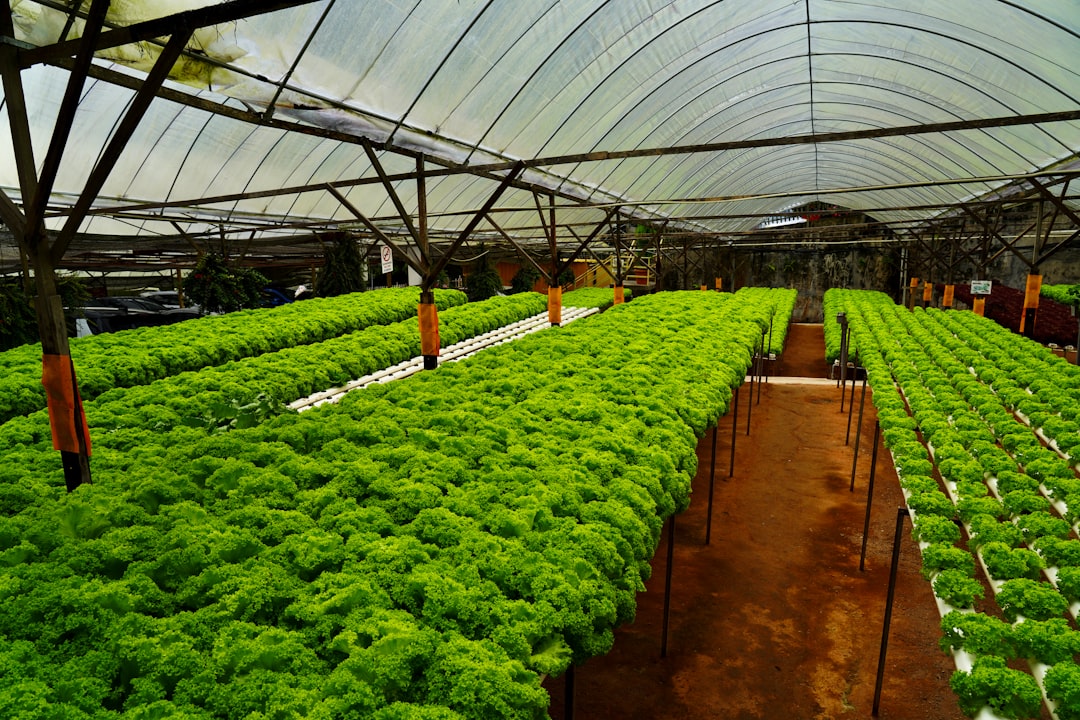
Half-strength nutrient solution. EC around 1.2-1.6. Higher nitrogen.
Fruiting plants (tomatoes, peppers)
Full-strength solution. EC around 2.0-2.5. Higher phosphorus during flowering.
Microgreens
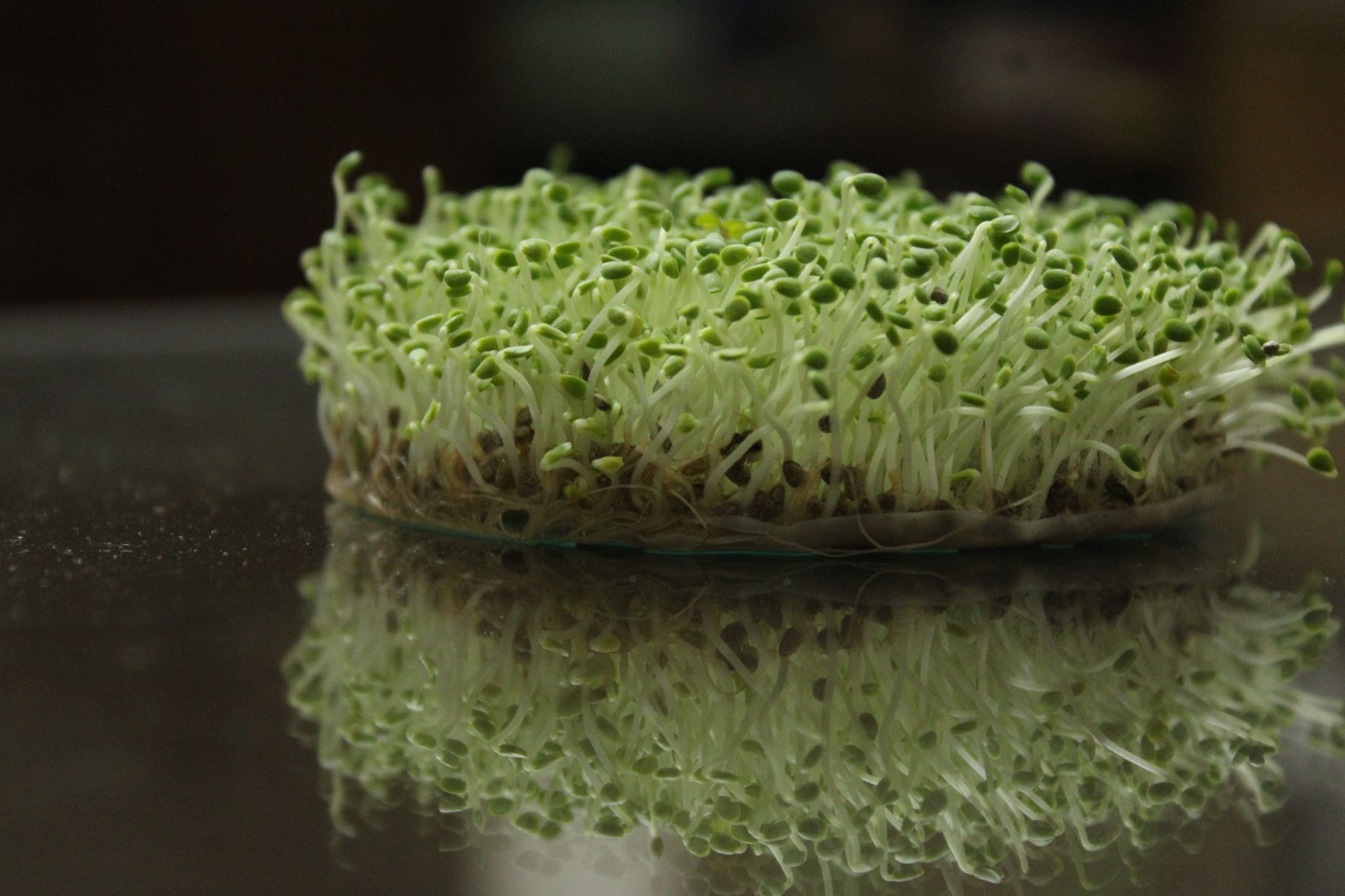
Quarter-strength or just plain water. Microgreens use nutrients stored in the seed primarily.
pH matters more than brand
Whatever nutrient you use, the pH of the solution determines whether plants can absorb it. Target 5.5-6.5 for most crops. Use pH up or pH down solutions to adjust.
A $20 pH pen is the single most useful piece of equipment for serious hydroponic growers.
When to change the reservoir
- Every 2-3 weeks for active systems.
- When EC drifts more than 10% from target.
- When water turns murky or smells sour.
- When algae growth becomes visible.
Organic hydroponic nutrients
These have improved over the years. Suitable for home growing if you prefer them. Often slightly more variable in performance and more prone to bacterial growth. Most home growers use synthetic for simplicity and reserve organic methods for soil-based growing.
Further reading
Two authoritative resources we recommend if you want to go deeper on this topic:
Frequently asked questions