Sprouting jars are the cheapest indoor food system that genuinely deserves the name. A wide-mouth jar, a mesh lid, a tablespoon of seeds, and three to five days later you have a useful handful of fresh sprouts for salads, sandwiches and bowls. The cost is roughly 10 cents per harvest.
This is the first indoor growing system we recommend to anyone curious about producing their own food. It teaches the rhythm of a small daily attention and produces real nutrition.
The kit
- Two or three wide-mouth glass jars (Mason or similar).
- Sprouting lids (mesh inserts that fit into the regular ring) or a square of muslin and a rubber band.
- A bag of sprouting-grade seeds (alfalfa, broccoli, mung bean, lentil).
- A bowl for draining.
Total cost roughly $10 to start.
A 3-5 day workflow
- Day 0: Add 2-3 tablespoons of seeds to the jar. Add filtered water to cover. Soak 8-12 hours.
- Day 1: Drain seeds. Rinse thoroughly. Place jar at 45 degrees in a bowl so it can drain.
- Days 2-4: Rinse with cool water twice a day. Drain and return to slanted position.
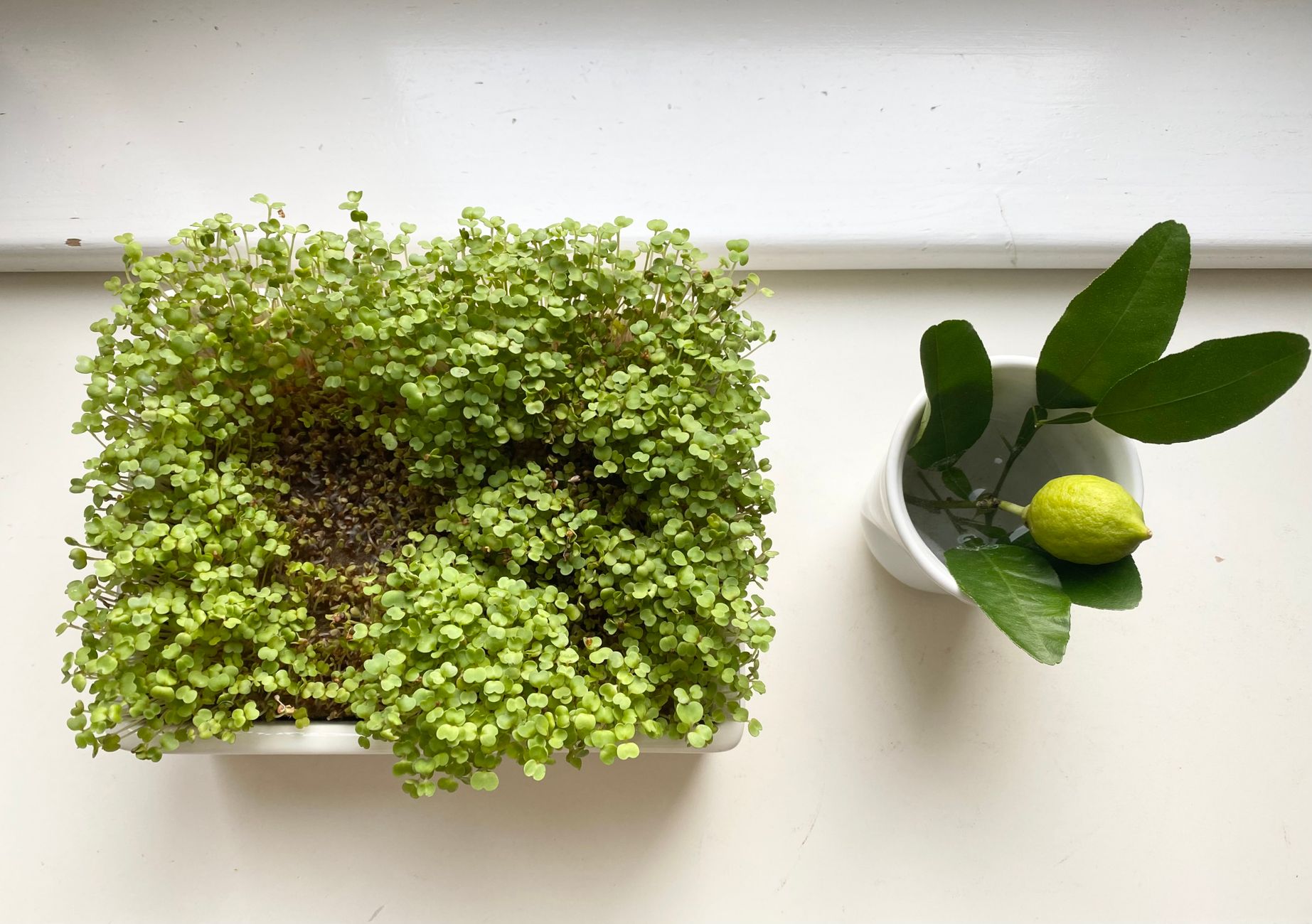
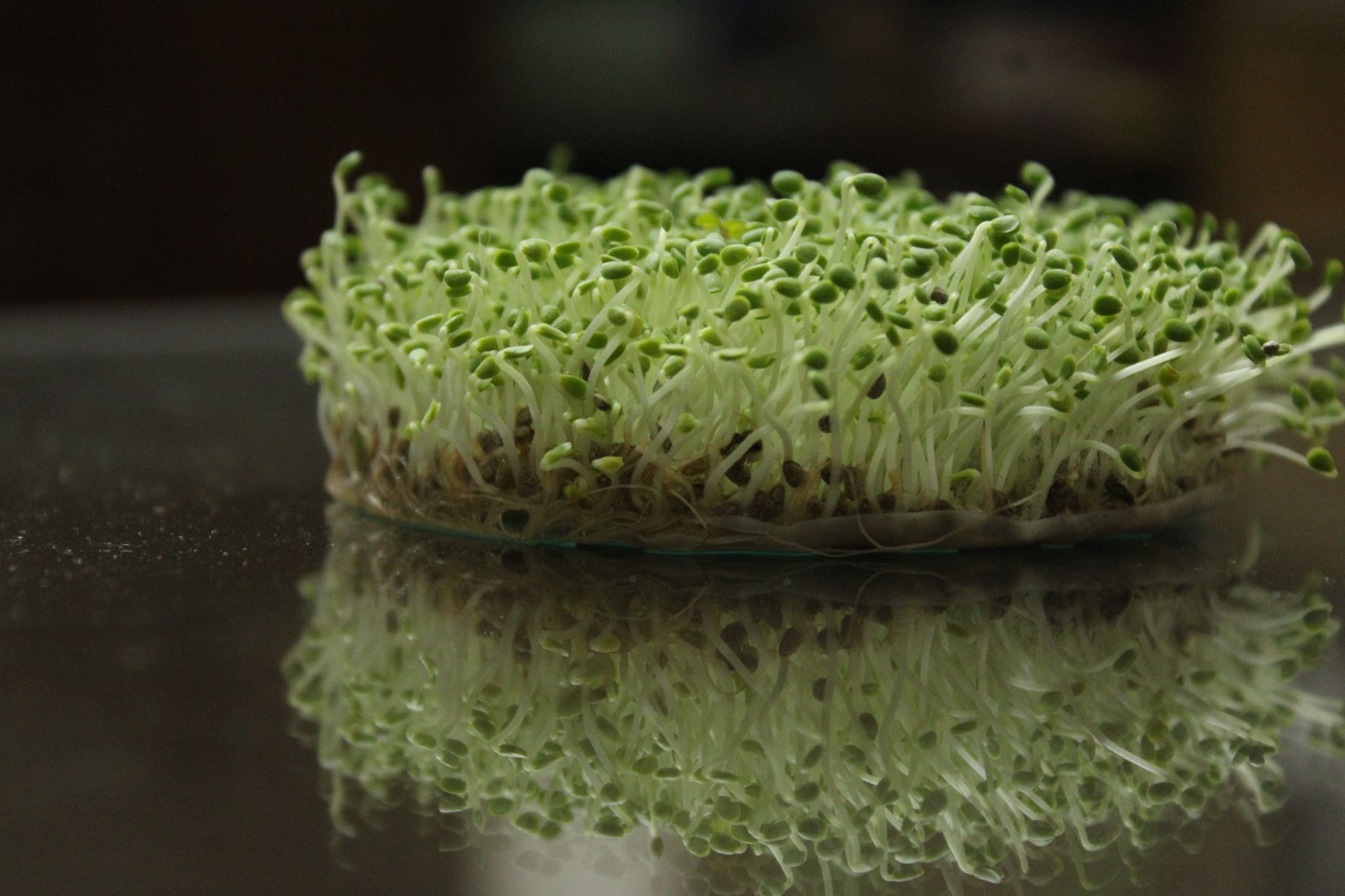
- Day 4-5: Sprouts are ready when tails are 2-3 times the seed length. Eat or refrigerate for up to a week.
Seed options
Easy first choices
Alfalfa, broccoli, radish, mung bean, lentil. All sprout reliably in 3-5 days.
Slightly trickier
Sunflower (large seeds, must be dehulled), wheat (chewy), chickpea (longer soak needed).
Skip for safety
Kidney bean (contains toxin requiring cooking). Always research a new sprout type before eating.
Hygiene
Sprouts have a small but real history of foodborne illness. The basics that keep us safe:
- Buy sprouting-grade seeds, not pet-food or ornamental seeds.
- Rinse twice daily to prevent stagnant water.
- Use clean jars and mesh.
- Drain thoroughly; standing water grows bacteria.
- Smell-test before eating. Fresh sprouts smell vegetal, not sour.
Common mistakes
- Soaking too long: seeds rot.
- Skipping rinses: bacterial growth.
- Storing wet: keep dry until ready to use.
- Using untested seeds (some seeds shouldn’t be sprouted).
- Eating undrained sprouts: water content makes them mushy.
Why sprouts make sense
- No light needed (most sprouts grow without it).
- No soil, no equipment beyond a jar.
- 10x nutritional density compared to the dry seed.
- Cycle of 3-5 days; multiple jars rotating give continuous harvest.
- Tiny footprint on a kitchen counter.
Further reading
Two authoritative resources we recommend if you want to go deeper on this topic:
Frequently asked questions