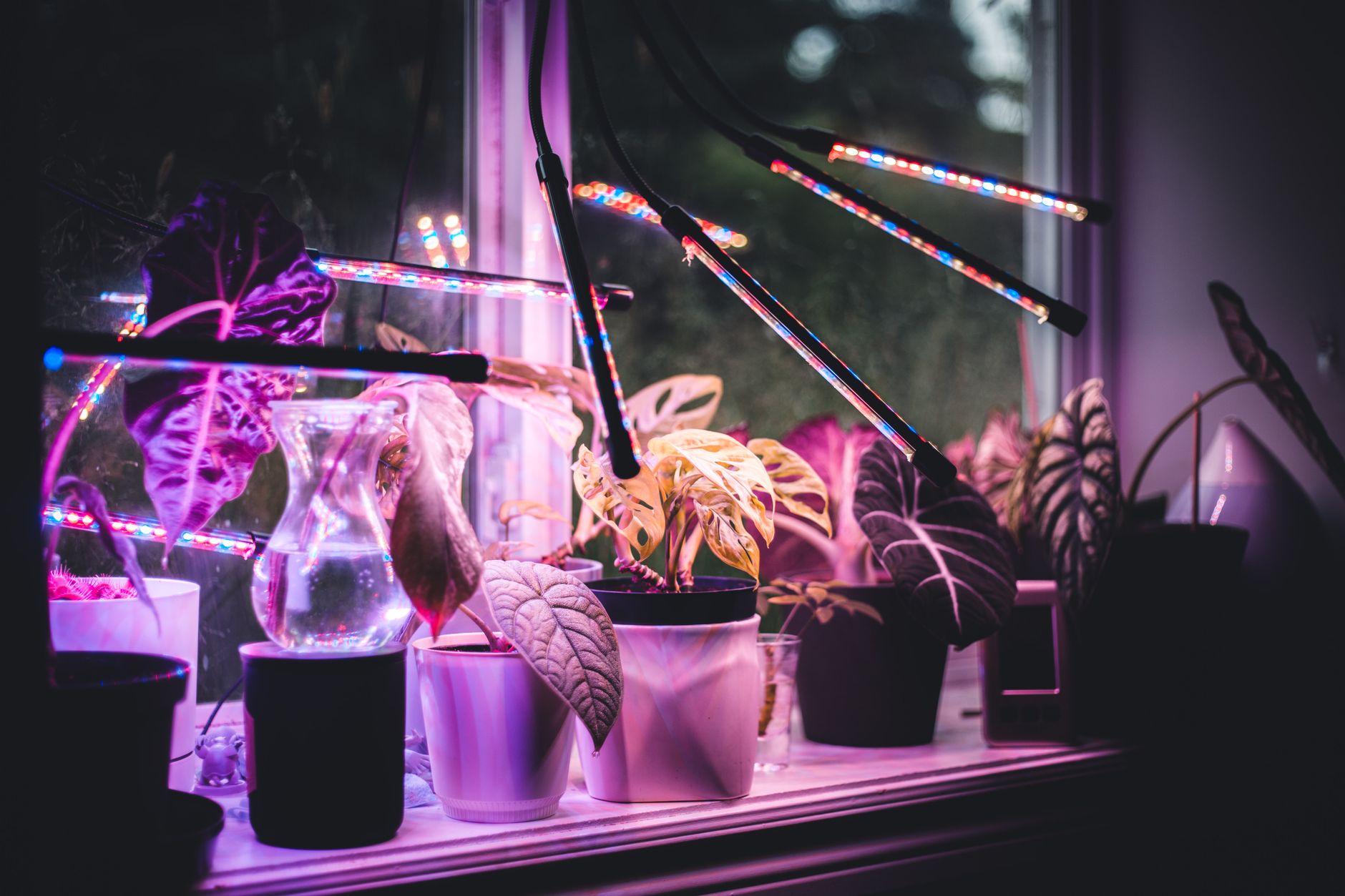
A grow tent is a small sealed space where you deliberately raise the temperature and hang up several lights. The predictable result is humidity climbing higher than you want, sometimes into ranges where mould appears within a week. The question every hobby indoor grower asks eventually is whether to add a dehumidifier or manage the problem with better ventilation.
The honest answer is that the dehumidifier decision depends on tent size, ventilation situation, and the specific crop. For most hobby setups (1 m × 1 m tent, single grow light, herbs or leafy greens), you do not need one. For larger tents with fruiting crops in flowering stage, or for anyone with poor airflow into the room, a small dehumidifier earns its cost quickly.
Target humidity by crop and stage
Rough humidity targets that hold across most home grows:
- Leafy greens and herbs (lettuce, basil, chard): 45-65 percent relative humidity. Tolerant of the middle band.
- Seedlings of any crop: 60-75 percent. High humidity aids emergence and early root development.
- Vegetative growth of fruiting crops (tomatoes, peppers before flowering): 50-70 percent.
- Flowering fruiting crops: 40-55 percent. Higher humidity here promotes flower rot and fungal disease.
- Any crop late in the harvest cycle: below 55 percent, sometimes below 45 percent, to prevent mould on ripening produce.
Measure with a cheap hygrometer (£5-£10) inside the tent, ideally at plant canopy height rather than at the top of the tent. The difference between top and canopy can be 10-15 percent.
Where the humidity actually comes from
In a small grow tent, humidity has three sources:
- Plant transpiration. The dominant source. A single healthy tomato plant transpires 500-800 ml of water per day; that all becomes vapour in the tent air.
- Soil or hydroponic surface evaporation. Second largest source. Open trays of water in an ebb-and-flow hydroponic system contribute significantly.
- Room air being drawn in. In summer, incoming room air is often 60-70 percent humidity already, so ventilation may not help as much as expected.
The order matters because different fixes address different sources. Ventilation moves vapour out and dry room air in; a dehumidifier removes vapour from the tent air; mulching soil surfaces reduces evaporation. Depending on which source dominates, the correct fix differs.
Ventilation-first approach (the cheap answer)
For a 1 m × 1 m × 2 m tent with a single grow light, a proper inline exhaust fan sized 4-6 inch (100-150 mm) with a variable-speed controller costs £30-£60 and handles almost all humidity issues without a dehumidifier. Configuration:
- Exhaust fan at top of tent pulling air OUT of the room the tent sits in (or ducted to a window if that room is small).
- Passive intake at bottom of tent (a filtered opening or a small clip-fan) drawing room air IN.
- Small oscillating fan inside the tent moving air around the plant canopy.
This setup exchanges tent air every 3-5 minutes. Even with active transpiration, humidity stays within 55-65 percent range for most home crops. Total cost £50-£80, no dehumidifier needed.
When you actually need a dehumidifier
Ventilation-first fails in three situations:
- Large tent, more than 4 m² floor. Air exchange volumes get expensive; a dehumidifier is more energy-efficient than pushing more air through.
- Room air already very humid. Basement grow spaces, coastal humid climates in summer. Bringing in 75 percent humidity room air only helps so much.
- Flowering fruiting crops requiring 40-55 percent. Below 55 percent is difficult to achieve with ventilation alone if room air is 60 percent or higher.
In these cases, a small compressor-based dehumidifier (300-500 ml/day capacity, £70-£120) run inside the room the tent is in (not inside the tent itself; dehumidifiers generate heat that would add to the tent load) drops room humidity into the range where ventilation then completes the job inside the tent.
Running-cost math
A small home dehumidifier draws about 20-40 watts continuously. Running 24/7:
- 30 W × 24 h = 0.72 kWh/day = 22 kWh/month.
- UK tariff (£0.28/kWh): £6.16/month.
- US tariff ($0.15/kWh): $3.30/month.
Add the initial £70-£120 unit cost, and the total first-year cost is £145-£195 UK or $130-$160 US. Realistic for a serious hobby grow; probably overkill for a windowsill herb tent.
Dehumidifier size for tent context
Small home dehumidifiers are rated by daily water extraction volume:
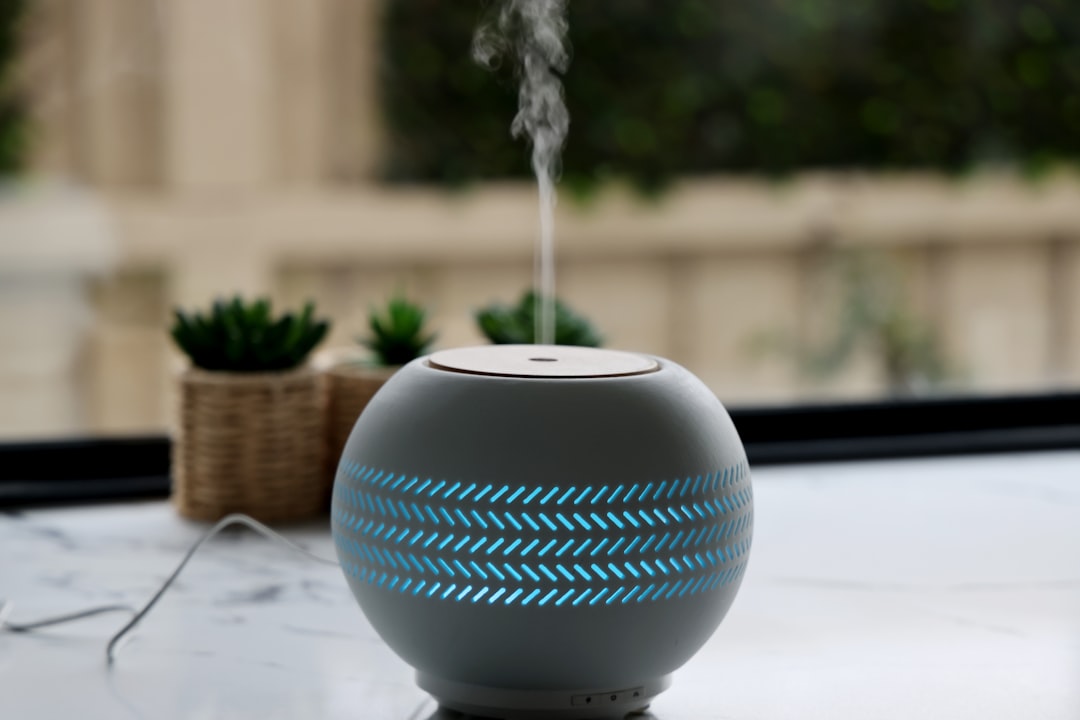
- 300-500 ml/day (peltier): Small tents up to 1.5 m² and room-humidity-management use. Silent, low power, no compressor. Cheap.
- 1-2 litres/day (small compressor): Tents 1.5-4 m², room-humidity in a small bedroom.
- 3-5 litres/day (medium compressor): Larger tents or whole-room use.
Do not oversize: an over-large dehumidifier cycles on and off constantly, cannot maintain a steady humidity, and costs more to run.
The workflow that actually works
Buy the ventilation setup first. Run for a week and measure humidity at canopy height at three times of day (morning, midday, night with lights off). If humidity stays in your target range 90 percent of the time, done. If humidity exceeds range for extended periods, then add the smallest dehumidifier sized to your tent volume, running in the room, not the tent.
Skipping straight to a dehumidifier without proper ventilation is a common mistake. The dehumidifier removes water but does not exchange stale air, which is separately important for CO2 replenishment and plant health.
Further reading
Two authoritative resources we recommend if you want to go deeper on this topic:
Frequently asked questions