Garden gloves are the single piece of equipment where new gardeners overpay and over-replace. The truth is that no glove lasts forever. Even excellent leather gloves wear through at the fingertips within a season of intensive use. The trick is to match the glove to the task, accept that they are a consumable, and avoid the pretty-but-impractical options.
This guide explains what we actually wear, when, and where the genuine quality differences hide.
The four gloves we actually own
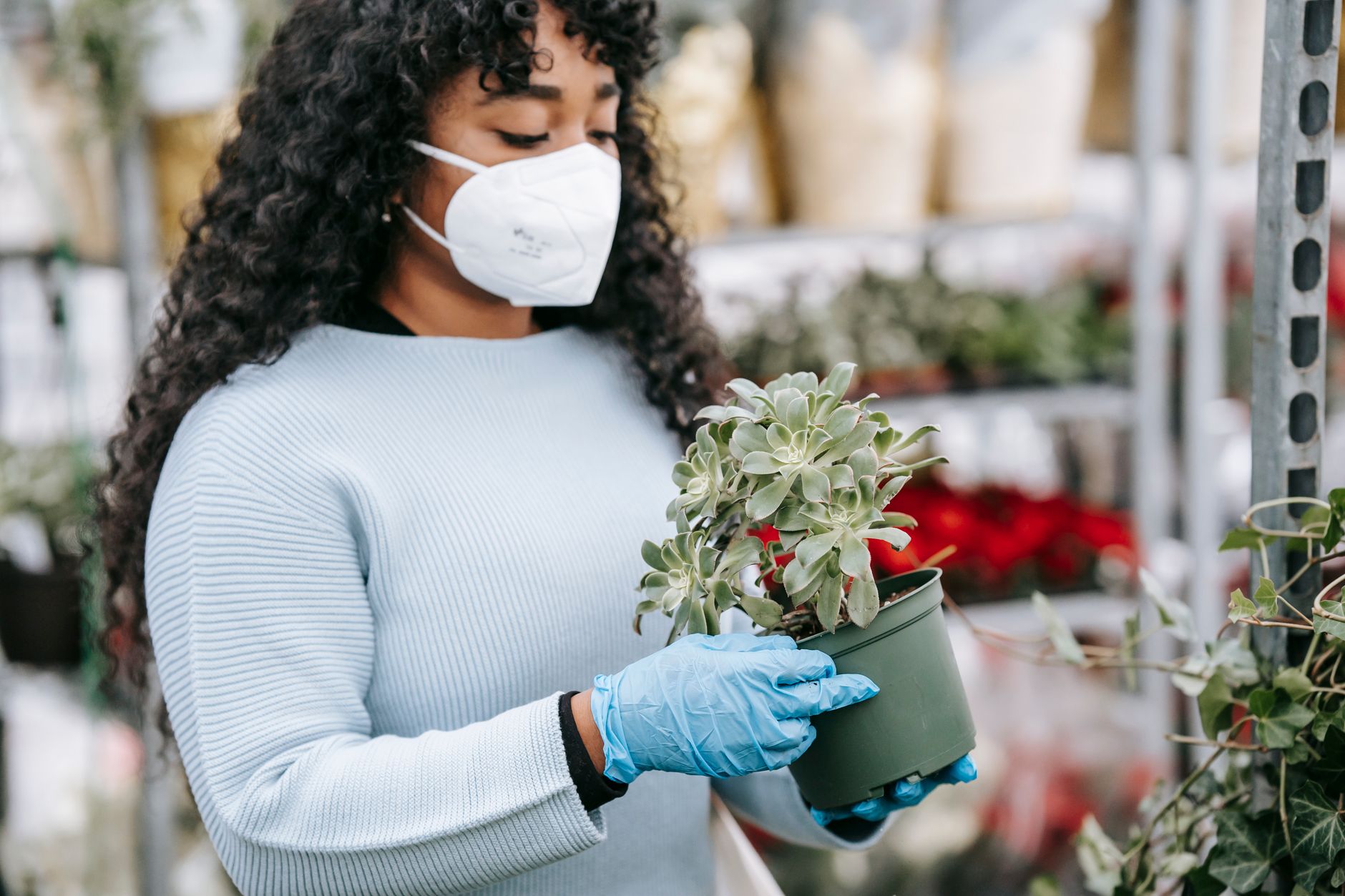
Nitrile-coated work gloves
The daily driver. Thin enough to feel small seeds, grippy enough to handle wet pots, tough enough for most weeding and planting. $5-$10 a pair. Replace every 2-4 months in active use.
Leather gauntlets (for thorny work)
Reach up the forearm. Heavy duty for pruning roses, brambles, holly. $25-$40 a pair, lasts 2-3 years.
Insulated waterproof gloves
For winter outdoor work and frost protection. Cheap thermal/waterproof gloves from a hardware store are fine. $15-$25.
Cotton or jersey gloves
For light handling and dry work. Wash and reuse. $3-$5 a pair, last roughly two seasons.
What we do not buy
- Pretty floral gloves with thin fabric (fall apart in three weeks).
- Latex-only gloves (perish in sun, tear easily).
- Disposable nitrile (terrible for the environment, and slip when wet).
- Hand-stitched specialty gloves (rarely better than mid-range work gloves).
Choosing the right size
A glove too large catches on stems and obscures the small movements gardening requires. A glove too tight strains seams. Buy gloves snug but not constricting. Most manufacturers run small; if you are between sizes, go up for leather and down for nitrile.
Caring for leather gloves
- Air-dry after use; never tumble dry.
- Treat with a wax-based leather conditioner once a year.
- Brush off dirt with a soft brush rather than soaking.
- Store flat or hanging by the cuff, not crumpled in a drawer.
When to throw away
Holes in fingertips of working gloves are the standard fail point. Replace at the first hole; do not try to mend. Damaged gloves catch on plant stems and bruise produce. Compost the fabric portion of cotton gloves when worn out.
A small environmental note
Gardening gloves are largely consumables. Cotton, leather and nitrile-coated cotton gloves all break down or partly compost at end of life. Pure synthetic gloves do not. Where you can, choose natural fibre or natural-fibre-backed gloves.
Further reading
Two authoritative resources we recommend if you want to go deeper on this topic:
Frequently asked questions