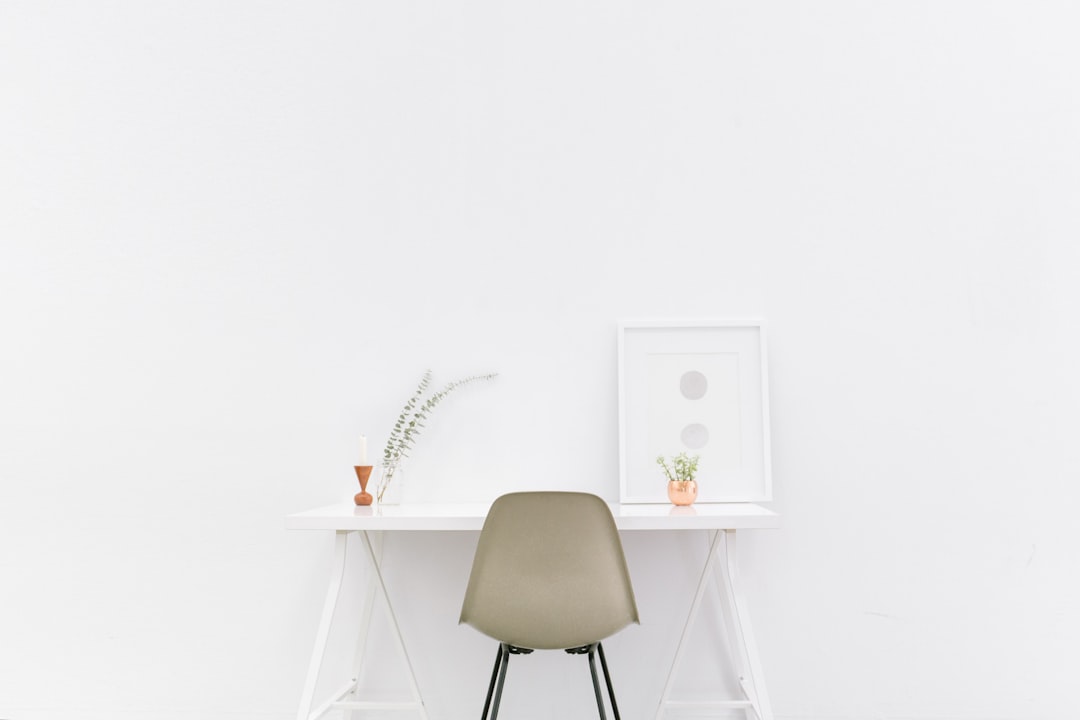
Performative minimalism is the version of slow living that shows up on social media: white rooms, twenty perfect objects, a glass of single-origin water. Actual minimalism is messier and more interesting. It is the slow accumulation of habits that lead to a household with less waste, less clutter, less hurry, without anyone announcing it.
This guide is about that kind of slow simplification. It is not a project. It is a quiet decade of small choices.
Start with what is already broken
The fastest path to a less cluttered home is fixing or discarding what is genuinely broken. Most homes have 20-40 items in low-level disrepair: leaking taps, ill-fitting drawers, broken hangers, partly-empty bottles of old cleaning products. Fix or remove these first.
Buy slower
When you want something, wait a month. If you still want it after a month, consider it. If you forget about it, the impulse was not strong enough to deserve permanent space in your home.
Choose objects that show their use
Wooden spoons that develop a patina. Leather wallets that soften. Pots that gain a polished bottom. These objects become more interesting with time. Cheap objects become uglier. Buy slower, buy fewer, buy objects that age well.
A weekly tidy
Twenty minutes on a Sunday clearing surfaces, putting things back where they belong, noticing anything that has accumulated and no longer earns its space. Not a deep clean. A surface reset.
The “one in, one out” rule
A new shirt enters the closet, an old one leaves. A new book on the shelf, an old one to the second-hand pile. Maintains equilibrium without forced reduction.
Resist the project
The instinct is to declare a weekend of dramatic decluttering and emerge with a transformed home. This rarely lasts. The slow path is dozens of micro-decisions across years.
What we have learned to keep
- Hand tools and household repair items.
- Practical clothes that suit the seasons.
- A modest collection of books we re-read.
- Kitchen equipment that gets used weekly.
- Photographs and small mementos.
What we have let go
- Decorative objects that came as gifts but never resonated.
- Books we will not read again.
- Single-purpose kitchen gadgets.
- Half-used hobby supplies from interests that did not stick.
- Clothes worn three or fewer times in a year.
A small joy
After a few years of slow simplification, the home becomes one we move through easily. Surfaces are clear because they have always been clear. Storage is sufficient because it does not need to absorb impulse purchases. The house quietly stops needing the elaborate organisation systems that minimalist influencers sell.
Further reading
Two authoritative resources we recommend if you want to go deeper on this topic:
Frequently asked questions