Compost heaps do not stop working in winter. They just slow down enough that most guides say misleading things about them. On a small property with a single 200-300 litre home compost bin, winter behaviour is different from summer in three specific ways, and understanding those three differences means you keep composting through the cold months without effort or disappointment.
This is what actually happens to a small-yard compost heap between November and March in a temperate climate (roughly southern England, most of northern Europe, midwest US, coastal Pacific Northwest), and what to add or stop adding to match.
What actually slows down in cold weather
The compost microbes doing most of the work in summer (thermophilic bacteria that generate the pile’s own heat) become dormant below about 10 C. This is what makes summer piles hot and fast, and what makes winter piles cold and slow.
What continues: mesophilic (moderate-temperature) bacteria, fungi, and the whole soil-food-web of worms, springtails, and other invertebrates that keep the material breaking down at low temperatures. It is slower but it is not stopped.
In a temperate winter, an active heap will still lose about 20-30 percent of its volume between November and March, just from this slow biological work. In a very cold winter (extended periods below zero), the heap can freeze partially and pause entirely until thaw.
What to keep adding
Kitchen scraps continue to compost through winter, even if the visible breakdown is slow. Keep adding:
- Fruit and vegetable peels,
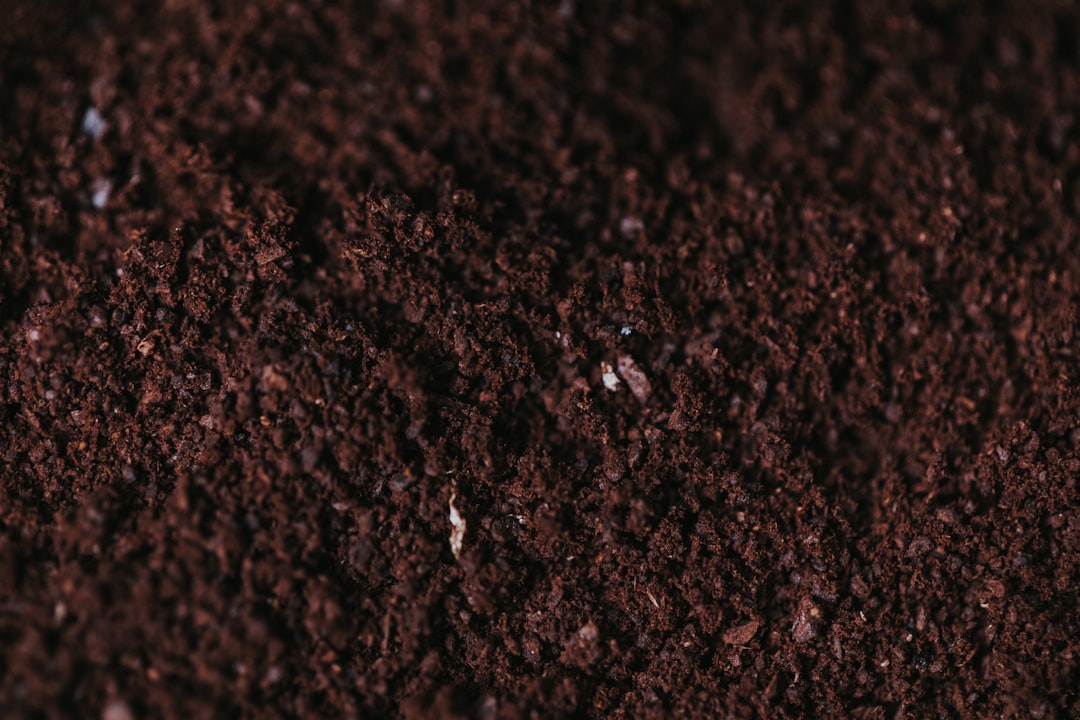
- Coffee grounds and filters,
- Tea bags (check they are plastic-free; many are not),
- Eggshells (crush first for faster breakdown),
- Small amounts of shredded paper or cardboard as brown material.
Add these to a small covered kitchen caddy first, empty to the compost heap once a week (not daily; opening the compost bin lid in winter loses heat).
What to stop adding (or add more carefully)
Some inputs work poorly in a cold pile:
- Large volumes of green material at once. A big pile of grass clippings in November will sit wet on top, mat down, and turn sour rather than composting. Add small amounts (a bucket at a time) mixed with browns.
- Meat, fish, dairy. Never in a small home heap regardless of season, but especially not in winter. The cold slows breakdown enough that rodents and foxes find them long before the heap does.
- Cooked food waste. Same reason. Use bokashi or a specific hot composter for cooked scraps if you need to compost them.
- Wet, uncut hedge trimmings. Fine to add, but the composting will only start properly in spring. Better to hold in a separate pile until then.
The three winter-only additions that help
These are things you would not typically add in summer that meaningfully help a winter heap:
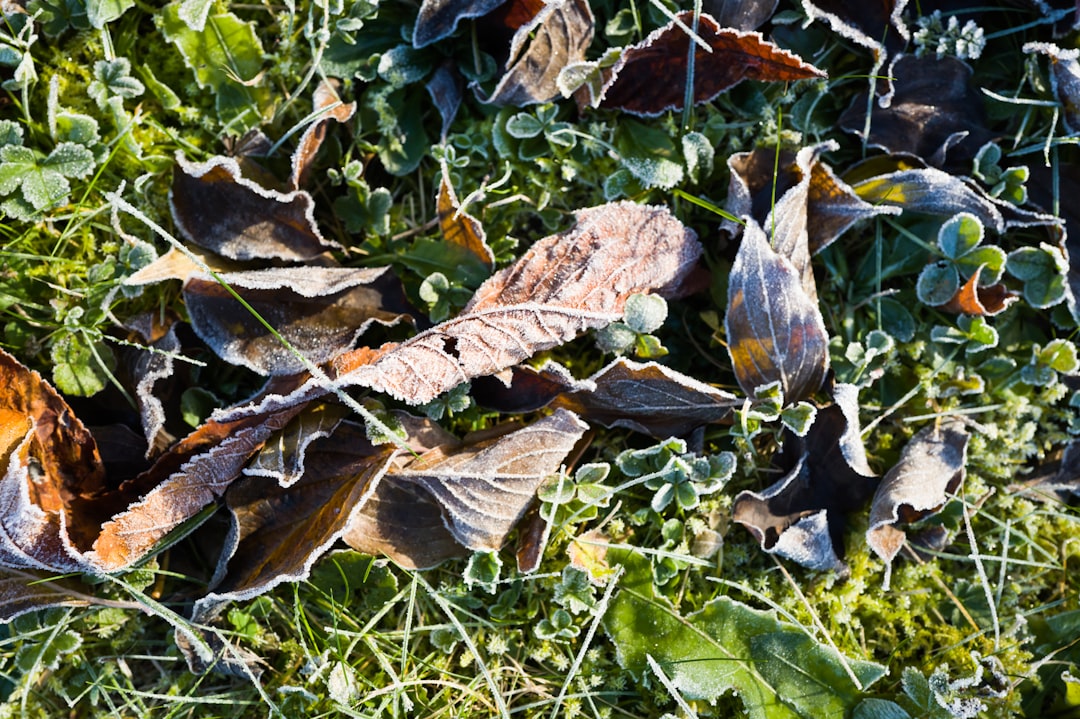
- Autumn leaves. The single most useful winter compost addition. Collected in October-November, they provide the brown material that balances the wet kitchen scraps you keep adding. Store extra bags of leaves separately (in old feed sacks or a wire cage) so you have “browns” available all winter.
- Wood ash from a wood-burning stove. A small sprinkling (500 ml per week maximum) adds potassium and helps deodourise the pile. Do not overdo it; wood ash is highly alkaline and shifts pH quickly.
- Cardboard tubes and packaging. Winter is when your household accumulates cardboard from deliveries. Torn into strips (roughly A4-size pieces) and layered into the heap, this provides consistent brown material without the effort of shredding.
Insulation and heat retention
A small bin heap loses heat quickly through its walls. Three cheap ways to insulate:
- Wrap the bin in an old wool blanket, hessian sacking, or bubble wrap. Anything that reduces conductive heat loss through the plastic. Not decorative but effective.
- Site the bin against a warm wall. A south-facing brick wall stores daytime warmth and radiates it slowly. A bin against a house wall loses less heat than a freestanding one.
- Cover the top with a thick straw or cardboard lid inside the bin lid. Reduces heat loss through the top (the largest surface area for loss).
None of these will keep the heap hot enough for thermophilic composting through winter, but they will keep the mesophilic activity alive rather than freezing entirely.
Turning: do not, mostly
Summer compost benefits from turning to aerate. Winter compost benefits from being left alone. Every turn releases warmth that took days to build. Leave a winter pile undisturbed from December through February. Turn in March when temperatures rise; the pile will spring to life within days.
Exception: if the top layer freezes into a hard crust, break it up gently with a fork once so kitchen scraps can still be added underneath. This is one 30-second intervention, not a full turn.
The spring surprise
March or April, when air temperatures climb back above 10 C for a week straight, is the interesting moment. If you have been feeding the winter pile with kitchen scraps and browns, and you have not disturbed it, you will find on the first proper turn that the bottom third has quietly become finished (or nearly-finished) compost while you were not looking. This is the payoff for the boring winter routine.
Sift this bottom material through a coarse garden sieve; anything that passes goes on beds as spring mulch; anything that stays behind goes back on the pile for another cycle.
Bokashi as a winter partner
If you produce a lot of kitchen scraps (households of 4+, or those cooking from scratch), consider a bokashi bucket as a winter partner to your outdoor bin. Bokashi ferments in a sealed bucket indoors, works at any temperature, and produces a pre-broken-down material that then finishes fast in the outdoor bin when spring arrives. This routes the cooked food and meat scraps (which you cannot add to the cold heap) into a workable pathway. A £30 twin-bucket setup handles most household output.
Further reading
Two authoritative resources we recommend if you want to go deeper on this topic:
Frequently asked questions