Growing peppers indoors through a cold winter sounds like a small triumph. It can be. It can also be a multi-month exercise in patience that produces a single underripe pepper after six months of attention. The truth is somewhere in between, depending on light, variety, and how strict you are about hardening expectations.
This guide walks through what is achievable with reasonable equipment, the chilli varieties that earn their winter pot, and the most common reason indoor peppers disappoint.
A realistic expectation
An indoor pepper grown through winter typically produces 6-15 small fruits in a 5-month window, compared to 30-60 on a sunny outdoor plant in summer. The flavour can be excellent. The yield is supplementary, not staple.
Varieties that suit indoor winters
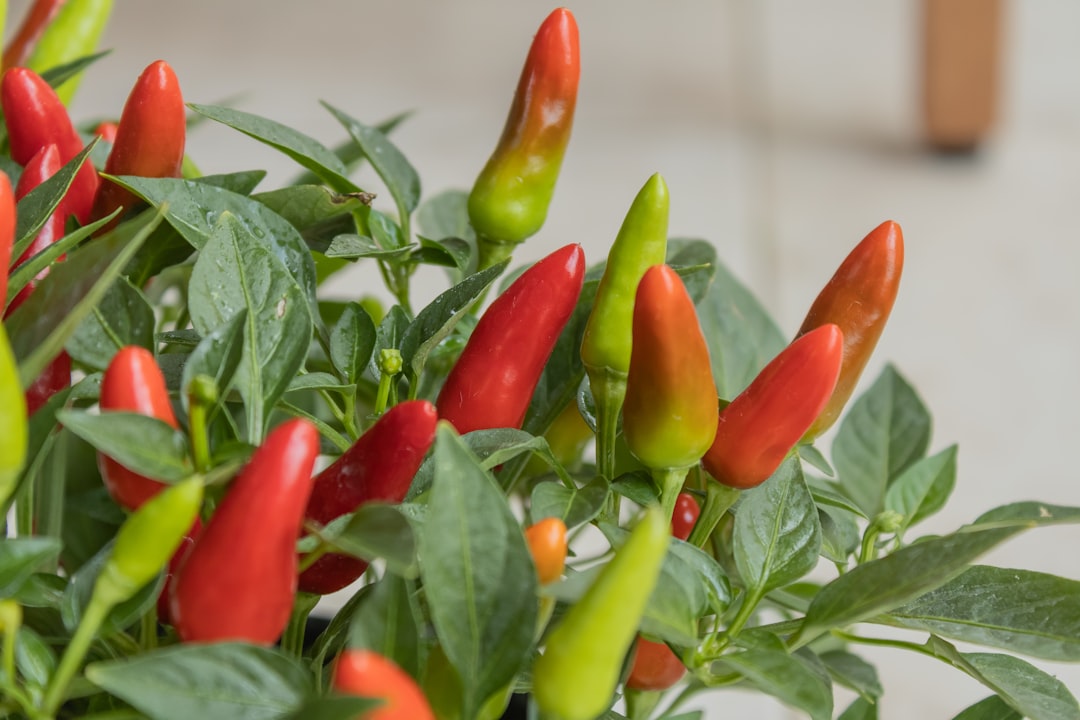
Compact chillies
Black Pearl, Numex Twilight, NuMex Suave Orange. Small plants, ornamental, productive in containers.
Small sweet peppers
Lunchbox-type sweet peppers. Compact plants, decent yields, tolerate moderate light.
Patio tomatoes
Not peppers, but worth mentioning. Patio Tom, Tumbling Tom, similar compact varieties suit winter indoor growing.
Light requirements
This is the critical factor. Peppers need more light than herbs or salad. A 40-60W LED panel above a single plant for 14 hours a day is the minimum for fruit set. Window light alone is rarely enough for fruiting through winter.
Temperature
Peppers like daytime temperatures of 21-26C and nighttime 15-18C. Most heated homes provide this. Avoid placing pots near radiators or cold drafty windows.
Pollination
Peppers self-pollinate but benefit from gentle vibration to move pollen. Tap or shake each flower-bearing branch once a day in the morning. A small fan on low directed at the plant achieves the same result automatically.
Pot size and soil
Minimum 25 cm wide, 25 cm deep. Larger is better. Use a quality container mix with added worm castings or slow-release fertiliser. Feed every 2-3 weeks with a liquid tomato or pepper fertiliser once flowering starts.
A realistic year
- August: sow seeds.
- October: pot up to final container.
- November-December: vegetative growth, no fruit yet.
- January-February: flowers, slow fruit set.
- March: first peppers ripen.
- April-May: continued harvest.
- Summer: plant goes outside or rests.
The first ripe pepper in February tastes disproportionately good given the wait.
Further reading
Two authoritative resources we recommend if you want to go deeper on this topic:
Frequently asked questions