Aquaponics in a one-bedroom apartment sounds excessive. It also turns out to be one of the most genuinely satisfying small-scale indoor growing systems we have set up. A small fish tank, a connected grow bed of leafy greens, and a slow but balanced little ecosystem that needs surprisingly little daily attention.
This guide is for the apartment grower curious about aquaponics. It walks through what we built, what worked, and what we would do differently next time.
The basic principle
Fish produce waste rich in ammonia. Bacteria convert that ammonia first to nitrites, then to nitrates. The plants use nitrates as fertiliser. Clean water returns to the fish. A closed loop that, once established, runs largely on its own.
A small apartment-scale setup
- A 75-100 litre aquarium with 6-8 small fish (goldfish, white cloud mountain minnows, small ornamental fish).
- A 30-40 litre grow bed above or beside the aquarium.
- A small submersible pump to circulate water.
- Hydroton clay pellets as growing medium.
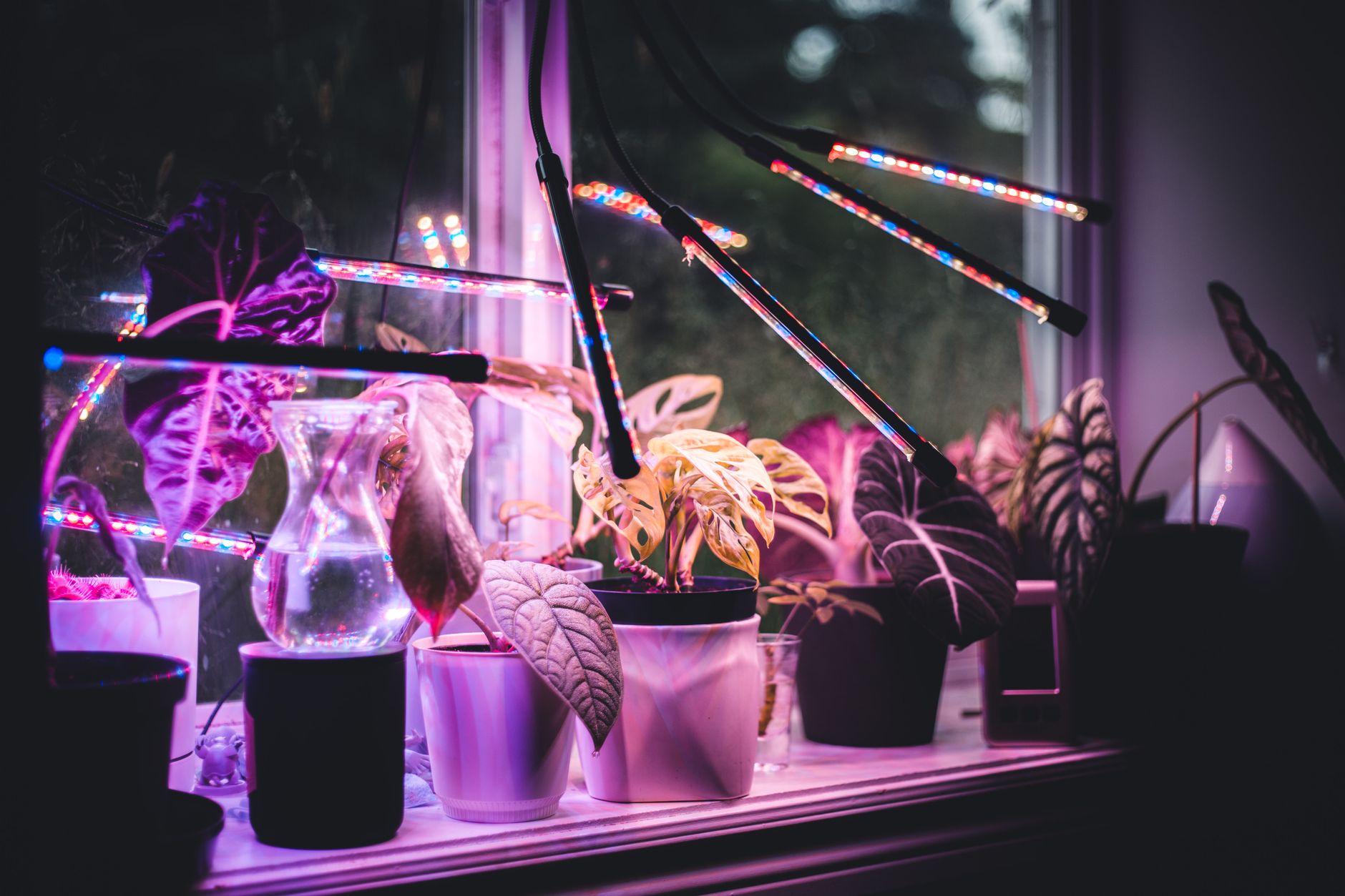
- A small LED grow light above the grow bed.
Total cost roughly $250-$400 to build.
Cycle the system before planting
Before plants go in, the system needs to be “cycled” so that the bacterial colonies establish. This takes 4-6 weeks. Run the system with fish food but no fish, dosing ammonia slowly. The water chemistry will gradually balance.
What grows well
- Leafy greens (lettuce, spinach, chard).
- Herbs (basil, mint, parsley).
- Bok choi and pak choi.
- Small fruiting plants like cherry tomatoes (more demanding).
Root crops and large plants are not suited to small-scale aquaponic systems.
The fish
Goldfish are the easiest. Tilapia produces edible fish but needs warmer water and larger tanks. White cloud mountain minnows are sturdy and visually pleasing. We have settled on small goldfish for our apartment system because they tolerate temperature swings and produce enough waste to keep plants fed.
Do not overcrowd. 6-8 small fish in a 100 litre tank is plenty.
Daily and weekly routine
- Daily: feed fish lightly, check pump.
- Weekly: test water for ammonia, nitrites, nitrates.
- Monthly: clean filter, trim plants, harvest.
- Quarterly: deep clean components, check pump.
When things go wrong
Aquaponics is unforgiving when it fails. Common problems:
- Pump failure: plants dry within hours, fish ammonia spikes.
- Power outage: plants and fish both at risk.
- Fish disease: spreads quickly in closed systems.
- pH drift: kills both plants and fish.
A back-up battery for the pump and a regular water-testing routine are essential.
Further reading
Two authoritative resources we recommend if you want to go deeper on this topic:
Frequently asked questions