A homestead kitchen is a working kitchen. It processes hauls from the garden, jars produce, breaks down whole chickens, slices a hundred tomatoes for sauce. The knives are not the show-piece set with the rose-engraved handles. They are three or four practical, sharp, durable blades that do real work and don’t intimidate.
This guide walks through the first four knives a small homestead kitchen actually needs, and the maintenance routine that keeps them sharp.
The four knives
A chef’s knife
20-22 cm blade. The single most-used knife in any kitchen. For chopping, dicing, mincing herbs, slicing vegetables.
A paring knife
8-10 cm blade. For peeling, trimming, small slicing tasks. Pairs of cheap ones are fine here; they get lost.
A serrated bread knife
22-25 cm. For bread, of course, and for tomatoes, watermelon, and anything with a soft interior and tough skin.
A boning or utility knife
15 cm flexible blade. For breaking down chickens, trimming meat, removing rind from cheese.
What we own
A Victorinox Fibrox chef’s knife (about $50, lasts 20+ years), a Wüsthof Classic paring knife (about $40), a Mercer Millennia bread knife (about $30), and a flexible Forschner boning knife (about $40). Together, these four cover 95% of homestead kitchen work and total roughly $160.
What we resist
- Knife block sets with 12+ knives. Most go unused.
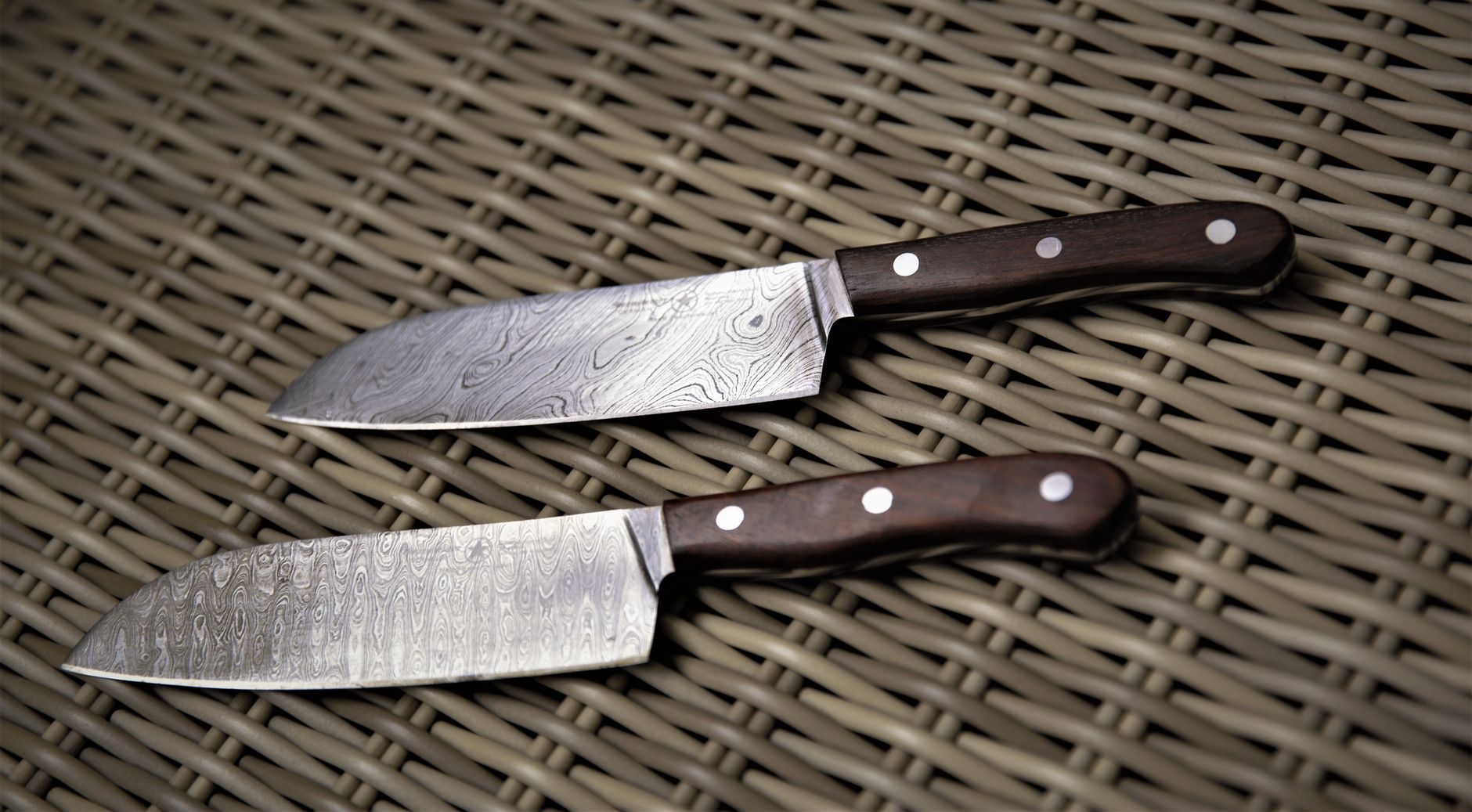
- Damascus-pattern knives unless you understand and want the aesthetics.
- Single-piece all-metal Japanese knives unless you maintain them rigorously.
- Anything with plastic-screwed handles, which loosen over years.
Sharpening basics
A dull knife is the most dangerous knife in the kitchen because it slips. Sharpen regularly.
- Steel daily, lightly. Just 3-4 strokes per side before using the knife.
- Sharpen on a stone every 1-3 months in regular use.
- Have knives professionally sharpened once a year if you do not want to learn the stone.
Storage
A magnetic strip on the wall is our preferred storage. It saves drawer space, keeps blades from knocking against each other, and shows you what you have. A wooden block is fine if you have the counter space. Drawer storage is worst for blade life.
Cutting board choice
Hardwood or end-grain board: kinder to knife edges, beautiful, lasts decades.
Plastic board: easier to clean, sanitisable, harsher on edges. Useful for meat work.
Glass or stone: avoid. They dull knives within months.
When to replace
Almost never. A good knife sharpened regularly stays useful for thirty or forty years. The handle may need attention at some point. The blade itself will outlast you.
Further reading
Two authoritative resources we recommend if you want to go deeper on this topic:
Frequently asked questions