There is a strange tension in homestead culture about tool sheds. Magazines show beautifully painted, slightly oversized buildings stuffed with vintage equipment. Practical homesteaders know that what they actually need is a clean, dry, well-organised eight-by-six space with the seven or eight tools they use most placed within arm’s reach. Anything more becomes a museum.
This guide walks through what a modest, honest tool shed actually contains, how to lay it out so things stay findable, and why most homesteads do better with a small, tidy shed than a large, sprawling one.
Size: smaller than you think
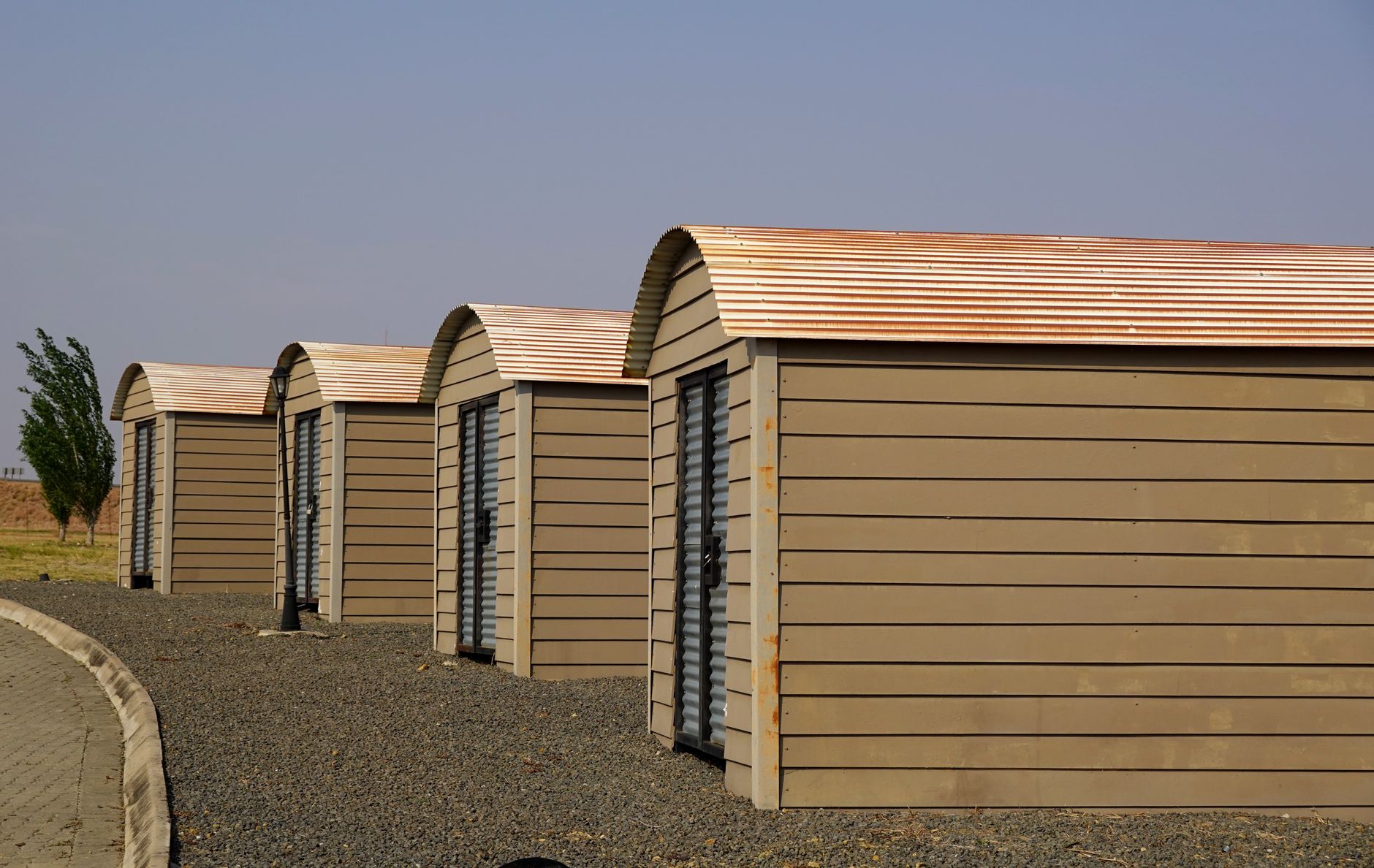
A 6×4 foot shed is enough for most small homesteads. 8×6 is generous. Anything larger becomes a clutter magnet. The principle is that every tool should have a designated spot, and the shed should be sized to hold those spots and no more.
What goes inside
- Hand tools on a single wall (pegboard or rack).
- Wheelbarrow tilted against a wall or hung from hooks.
- Compost fork and spade leaning together near the door.
- Hose reel mounted on the outside wall, not inside.
- Bags of compost and amendments stacked on a low pallet, off the floor.
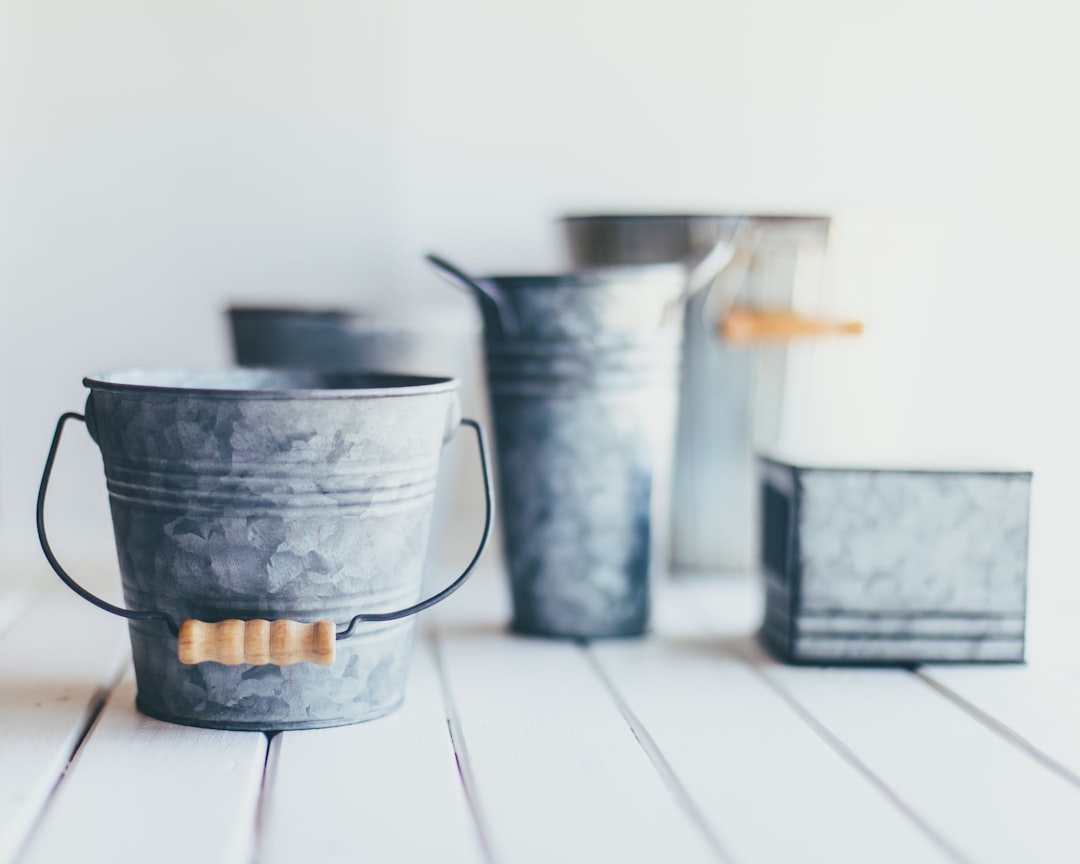
- Watering can hung by its handle.
- Twine, ties and small bits in a labelled box at eye height.
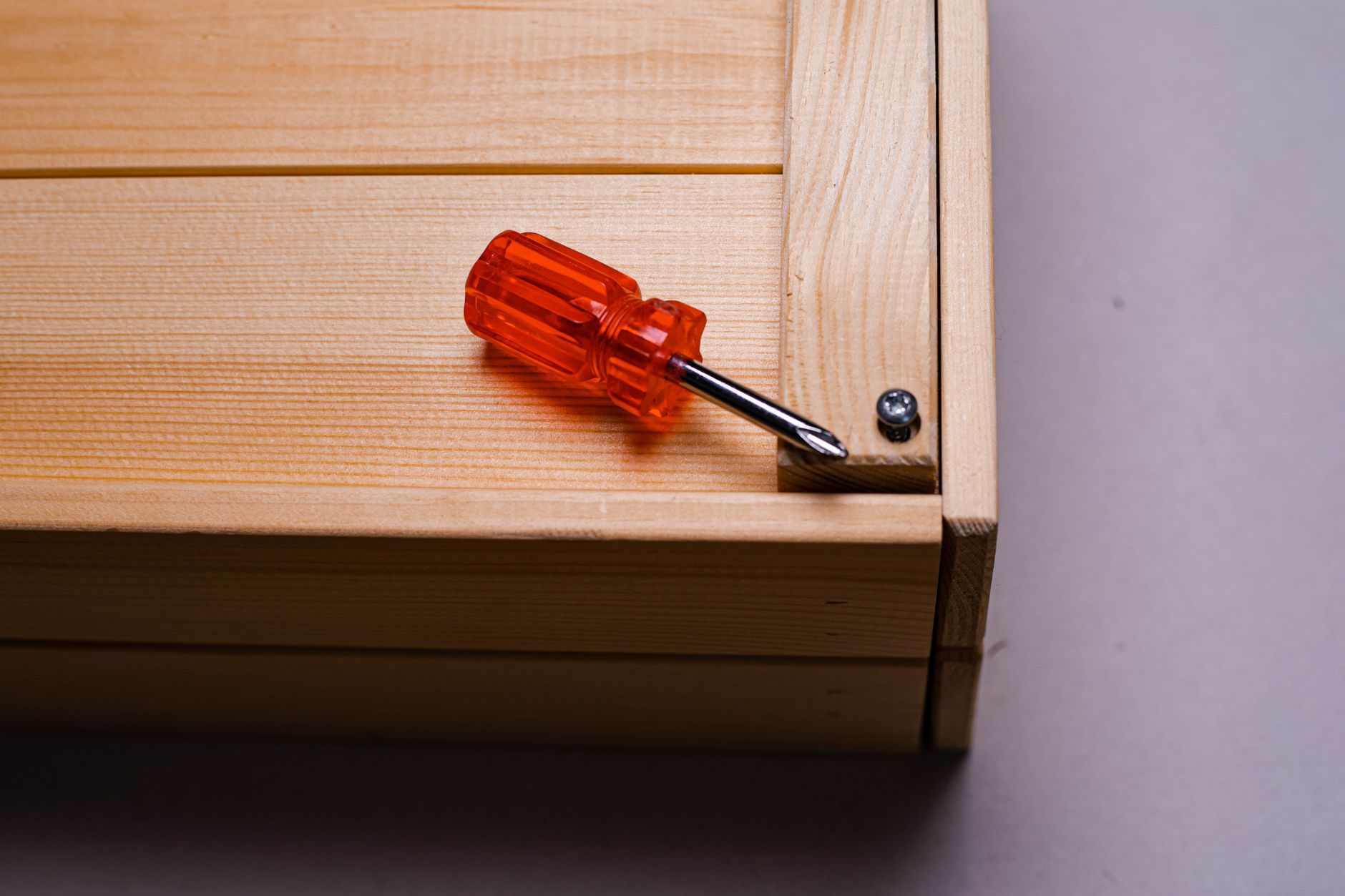
- Workbench (3 x 1 foot is plenty) with vice for small repairs.
Layout principles
One wall for hanging tools
A French cleat or pegboard system holds shape over years. Every tool gets a hook. Spaces between hooks tell you when something is missing.
Floor kept clear
Tripping over a wheelbarrow in a tiny shed is the source of half of all minor shed accidents. Keep the floor walkable.
Eye-height shelves for active items
What you use weekly goes at chest height. Annual or storage items go up high.
Window for light
Even a small shed needs natural light. Mount one window on the north or east wall to avoid summer heat buildup.
Roof and floor
A felted bitumen or EPDM roof is the standard durable choice. A timber floor on slight-elevation joists (raised 4 cm off concrete) prevents damp. A concrete pad with damp-proof membrane is the most durable foundation.
Ventilation matters
Tools in a sealed shed develop rust faster than tools in a slightly ventilated one. A small louvred vent high on each long wall keeps the shed dry. Avoid heat-trapping fully sealed designs.
Security
A padlock on a shed door is mainly to keep honest people honest. A determined thief gets in. The realistic precautions:
- Mark expensive tools with your postcode or a unique tag.
- Photograph tools annually for insurance.
- Keep the most expensive tools (power tools, premium hand tools) inside the house when not in active use.
- A motion-activated outdoor light helps more than locks.
What we resist storing in a shed
- Old plant pots in unsorted heaps.
- Half-empty bags of compost (decay attracts pests).
- Power tools that have lost their chargers.
- Decorative or ornamental items that are not used.
- Anything you have not touched in two years.
Further reading
Two authoritative resources we recommend if you want to go deeper on this topic:
Frequently asked questions